The Portuguese Interior Ministry has announced that nearly 900 police officers from the National Republican Guard (GNR) will enter early retirement, a move aimed at addressing staffing shortages and modernising the force. The decision, effective from January 2024, comes amid growing pressure to streamline operations and improve public safety across the country. The reform is part of a broader plan to restructure the police sector, with the goal of making it more efficient and adaptable to current security challenges.
Impact on Local Communities
The early retirement of 900 officers will have a direct effect on public safety in communities across Portugal. With fewer officers on the ground, some regions, particularly rural areas, may see a decline in police presence. In cities like Lisbon and Porto, where crime rates have been rising, the reduction in staff could strain local law enforcement. Residents in these areas have expressed concerns about the potential for increased crime and slower response times.
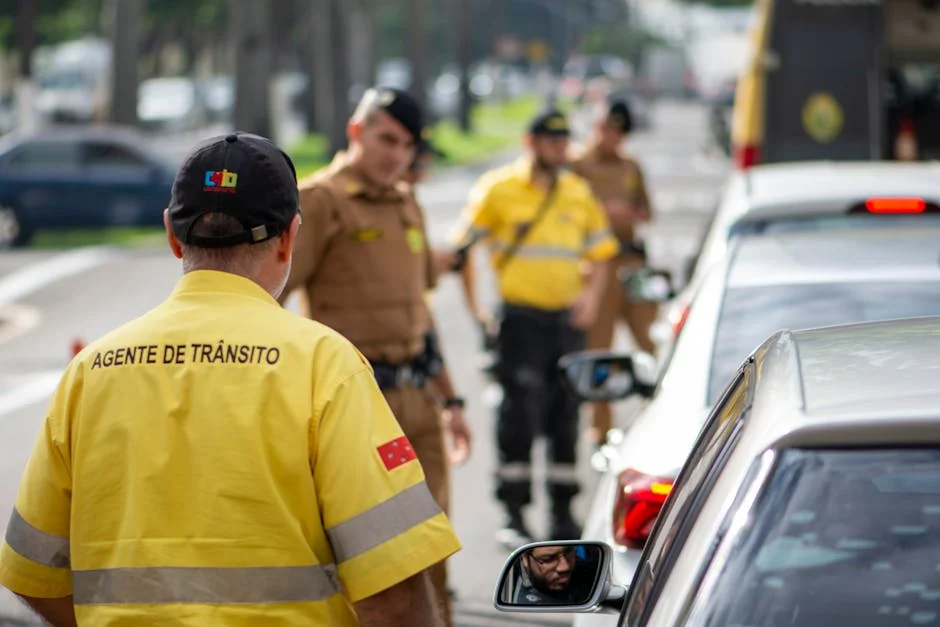
Community leaders in Lisbon have voiced mixed reactions. While some acknowledge the need for modernisation, others worry about the impact on public trust. "We need a police force that is both efficient and visible," said Ana Ferreira, a local councillor in the city's Alfama district. "Retiring experienced officers before they reach full retirement age risks undermining the very stability we're trying to achieve."
Financial and Operational Challenges
The decision to retire 900 officers has raised concerns about the financial implications for the Interior Ministry. The move will require significant restructuring of the GNR's budget, as early retirement packages come with higher costs. According to the ministry, the reform is expected to save €25 million annually by reducing long-term pension liabilities. However, critics argue that the short-term costs could outweigh the long-term benefits.
Operational challenges are also a key concern. The GNR has already faced criticism for its response to recent incidents, including a series of high-profile thefts in Lisbon's central district. With fewer officers, the force may struggle to maintain the same level of service. "We need to ensure that the reforms don't compromise the safety of our citizens," said Miguel Costa, a senior officer in the GNR.
Regional Disparities and Public Trust
The impact of the early retirement policy is likely to vary across regions. In rural areas, where police stations are fewer and more spread out, the loss of 900 officers could be more pronounced. In contrast, urban centres with larger police forces may be better equipped to absorb the changes. However, public trust in law enforcement is a concern nationwide, with surveys showing a decline in confidence over the past year.
The Interior Ministry has pledged to increase the use of technology to compensate for the reduced workforce. This includes expanding the use of surveillance cameras and digital reporting tools. "We are investing in smart policing to ensure that we can still protect our communities effectively," said Minister of Internal Administration, Joana Ferreira.
Community Response and Protests
Protests have already begun in some areas, with local police unions expressing strong opposition to the early retirement policy. In Coimbra, a group of officers staged a demonstration outside the regional police headquarters, demanding more transparency in the restructuring process. "We understand the need for change, but we need to be part of the conversation," said Francisco Silva, a union representative.
Community groups are also calling for a more inclusive approach to reform. "The police should be a reflection of the people they serve," said Maria Lopes, a local activist. "If we don't involve the community in this process, we risk creating a gap between the police and the people they protect."
Looking Ahead: What Comes Next?
As the new year approaches, the Interior Ministry will begin implementing the early retirement policy. The first wave of officers will retire in January 2024, with the full transition expected to be complete by mid-2024. During this period, the ministry will monitor the impact on public safety and adjust the strategy as needed.
What to watch next: The next major milestone will be the release of a progress report in March 2024, which will outline the effectiveness of the early retirement policy and any adjustments made. Citizens and community leaders will be closely following these developments to ensure that the reforms align with public safety needs.
See Also
- Huawei Unveils Advanced FreeBuds Pro 5 in Portugal: What It Means for Tech Innovation Across Africa
- Ucraniana Spraga launches Kombucha factory in Portugal — what it means for Africa's trade
However, public trust in law enforcement is a concern nationwide, with surveys showing a decline in confidence over the past year. "The police should be a reflection of the people they serve," said Maria Lopes, a local activist.
What is the latest news about portugals interior ministry announces 900 police to retire early?
Why does this matter for economy-business?
What are the key facts about portugals interior ministry announces 900 police to retire early?