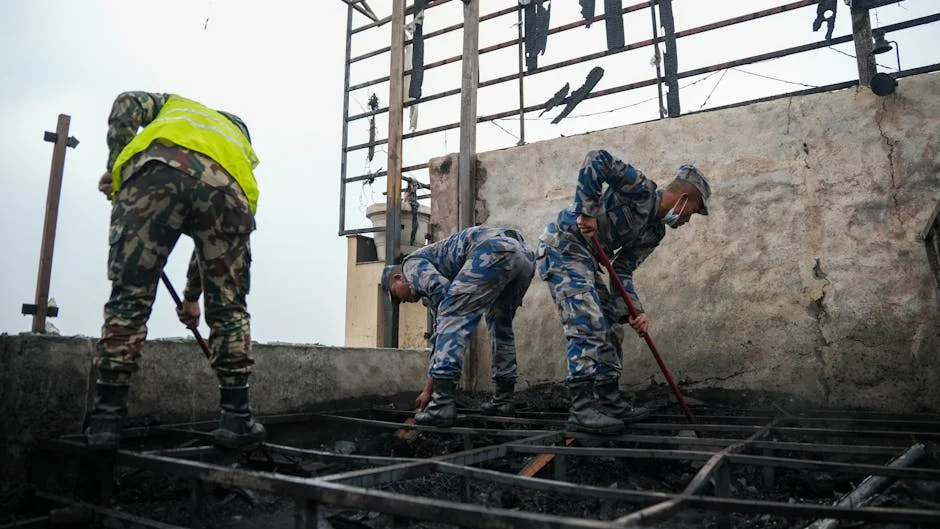
A recent protest in Kerala, India, saw a heated confrontation as a local youth blocked a motorcycle during a hartal, a type of strike common in the region. The incident, captured on video, took place in Thiruvananthapuram, the state capital, highlighting growing tensions between protest supporters and the general public. This event is part of a broader series of demonstrations that are affecting daily life in Kerala.
Protest Impact on Daily Life
The hartal in Kerala, aimed at voicing discontent over various political and social issues, brought daily activities to a standstill. Roads in cities like Thiruvananthapuram and Kochi were blocked, affecting the mobility of thousands. Public transportation was limited, and many businesses chose to shut down for the day.
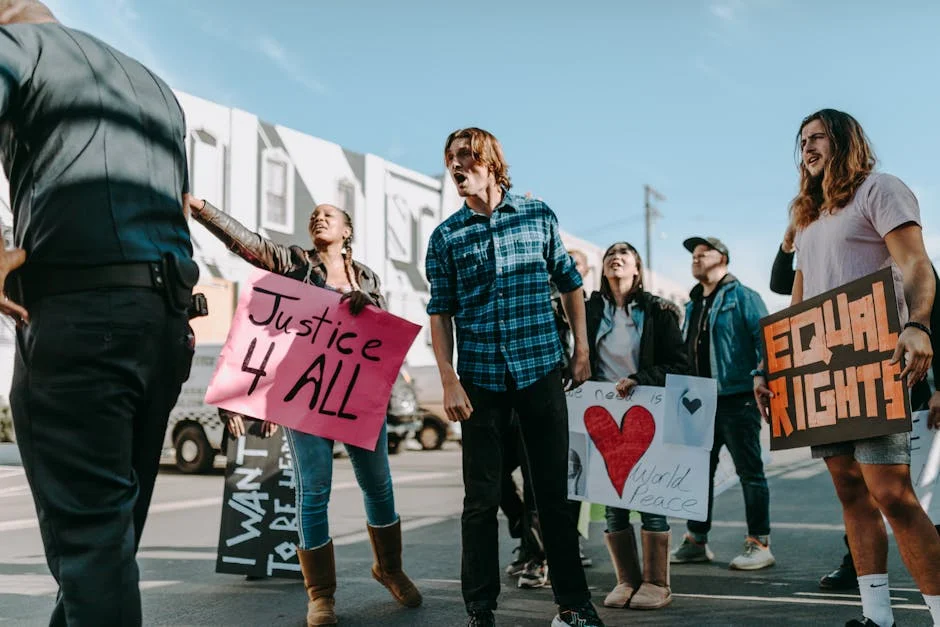
For residents, this meant disruptions in routine travel plans, with many unable to reach work, school, or essential services. The protests have also led to a noticeable increase in vehicle congestion on alternative routes, as drivers sought to avoid blocked roads.
Economic and Social Consequences
The frequent hartals in Kerala have substantial economic repercussions. According to the Kerala Chamber of Commerce, each day of such disruption can cost the state economy up to INR 900 million in lost productivity. This figure underscores the severe impact that these protests have on local businesses and the broader economic landscape.
Socially, the protests have sparked debates about the effectiveness and appropriateness of hartals as a form of protest. Some community leaders argue that while protests are a legitimate expression of dissent, they should not infringe on the rights of others to conduct their daily lives without disruption.
Government and Community Response
The Kerala state government, led by Chief Minister Pinarayi Vijayan, has urged citizens to maintain calm and refrain from activities that could escalate tensions. The government is also considering measures to regulate hartals to minimise public inconvenience and economic loss.
Community groups and local leaders are organising forums to discuss alternative ways to express dissent that do not involve significant disruptions. These discussions aim to foster a more balanced approach to addressing grievances, considering both the right to protest and the need to maintain public order.
Legal and Policy Considerations
In response to the protests, there are calls for legal reforms to ensure that future hartals follow a structured format that minimises public disruption. These reforms may include mandatory advance notice to authorities and the establishment of designated protest areas.
Looking Forward: Next Steps
The ongoing situation in Kerala presents a crucial moment for evaluating the role of hartals in modern civic discourse. As discussions continue, the state government's response and any subsequent policy changes will be closely watched by both local and national observers.
For citizens in Kerala and beyond, the outcomes of these discussions could redefine how public protests are conducted, balancing the need for effective expression with the rights of individuals to uninterrupted daily life. Observers are keenly anticipating any legislative moves that could emerge from current debates.