Spain’s busiest airport, Madrid-Barajas, has shut down for 30 days, leaving thousands of passengers stranded and disrupting travel across the European continent. The closure, announced by the Spanish Civil Aviation Authority, comes as the airport undergoes urgent infrastructure repairs. Airlines including Iberia and Ryanair have suspended all flights from the facility, with no alternative routes immediately available.
Impact on Travelers and Local Businesses
The sudden closure has caused chaos for both domestic and international travelers. Over 200,000 passengers were affected in the first week alone, with many unable to reach their destinations. For local businesses in Madrid, the disruption is a blow. Restaurants and hotels near the airport report a sharp drop in customers, with some fearing a prolonged downturn. “We’ve lost half our bookings this week,” said Maria Lopez, owner of a café near the terminal. “It’s devastating.”
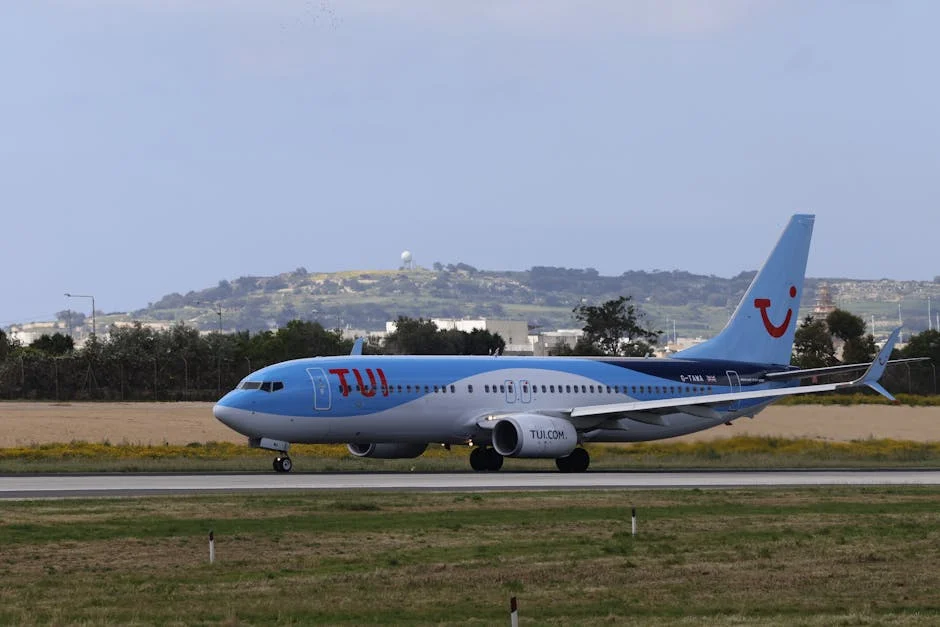
Travelers are now scrambling to rebook flights through alternative airports, such as Barcelona-El Prat and Seville. However, this has led to overcrowding and longer wait times. Airlines have also faced criticism for their lack of communication. “We were told at the last minute,” said Carlos Fernández, a tourist from GB, who was stranded in Madrid. “It’s not just inconvenient — it’s unprofessional.”
Strain on Regional Air Travel
The closure has had a ripple effect on regional air travel, particularly for passengers connecting through Madrid. Flights to and from cities such as London, Paris, and Rome have been rerouted, causing delays and increased costs. Ryanair, which operates numerous routes from the airport, has warned that some flights may be canceled entirely if the closure extends beyond the initial 30 days. “This is a major disruption for our network,” said a spokesperson for the airline. “We are working to minimize the impact on our passengers.”
For GB travelers, the situation is particularly concerning. The UK’s Civil Aviation Authority has issued a travel warning, advising passengers to check with their airlines before booking. “We are in close contact with Spanish authorities and are monitoring the situation closely,” said a spokesperson. “Travelers should expect further changes in the coming weeks.”
Local Economy in Crisis
The economic fallout from the closure is already being felt in Madrid. The airport directly employs over 50,000 people, and many are now facing uncertainty. Logistics companies that rely on the airport’s cargo operations have also been affected. “We’re running at half capacity,” said Luis Torres, a manager at a freight company. “This is a huge setback.”
Small businesses in the surrounding areas are also struggling. A local taxi driver, Ana Sánchez, said that her income has dropped by 70% since the closure. “There are no passengers,” she said. “We’re barely making ends meet.”
Government Response and Next Steps
The Spanish government has pledged to support affected businesses and travelers. Minister of Transport José Luis Ábalos announced that a relief fund will be established for small businesses impacted by the closure. “We understand the hardship this is causing,” he said. “We are committed to restoring normal operations as quickly as possible.”
Meanwhile, the airport’s management has confirmed that repairs will take at least 30 days, with a full reopening expected by the end of April. However, officials have not yet provided details on how the closure will be managed in the interim. “We are exploring all options to minimize the impact,” said a spokesperson. “But we cannot guarantee any alternative arrangements.”
Passenger Reactions and Calls for Better Communication
Travelers have taken to social media to express frustration over the lack of clear information. Many have criticized the airport and airlines for poor communication. “We were left in the dark,” said Emma Johnson, a British tourist. “There was no notice, no updates — just silence.”
There are growing calls for better coordination between the airport, airlines, and passengers. “This is a wake-up call,” said Javier Márquez, a transport analyst. “Airports and airlines must do better in times of crisis.”
The closure of Madrid-Barajas is a stark reminder of how vulnerable the travel sector is to unexpected disruptions. With the airport expected to remain closed for at least a month, passengers and businesses alike are bracing for further challenges. The next few weeks will be critical in determining how the situation unfolds and whether long-term solutions can be put in place.
See Also
- Gold Prices Surge in Delhi and Chennai: What This Means for Nigeria’s Economy
- SCA Slams Husband for Refusing to Pay R40,000 for Stepchildren's Maintenance
Minister of Transport José Luis Ábalos announced that a relief fund will be established for small businesses impacted by the closure. “We are exploring all options to minimize the impact,” said a spokesperson.
What is the latest news about spains major airport closes for 30 days as flights cancelled?
Why does this matter for economy-business?
What are the key facts about spains major airport closes for 30 days as flights cancelled?