President Bola Tinubu’s administration has faced mounting pressure from Anand Tandon, a leading economic analyst, who has warned of growing risks in Nigeria’s Defence sector as the country grapples with persistent power shortages. Tandon, a former director at the African Development Bank, highlighted the urgent need for reforms, citing a 30% drop in military readiness since 2022. The concerns come as energy crises continue to disrupt daily life in major cities like Lagos and Abuja, where power outages have worsened over the past year.
Defence Challenges Amid Power Shortages
The Defence sector in Nigeria is struggling with a combination of budget cuts and outdated infrastructure, which has left critical systems vulnerable. According to the National Defence Budget Report for 2023, only 45% of the allocated funds were spent on operational needs, with the rest directed towards maintenance and training. Tandon argues that these inefficiencies are compounded by the country’s unreliable power supply, which has left military bases without consistent electricity. In Lagos, where 70% of households experience daily power cuts, the situation is particularly dire, with many communities relying on expensive generators for basic services.
“The Defence sector cannot function effectively without stable power,” Tandon said in a recent interview. “When power is unreliable, communication systems fail, and logistics are disrupted. This affects not just the military but also the security of citizens.” The lack of consistent electricity has also hindered the operation of air and naval bases, which rely on advanced technology for surveillance and border control. In the north-east, where Boko Haram and ISIS-West Africa remain active, the lack of power has made it harder to monitor and respond to threats.
Impact on Local Communities
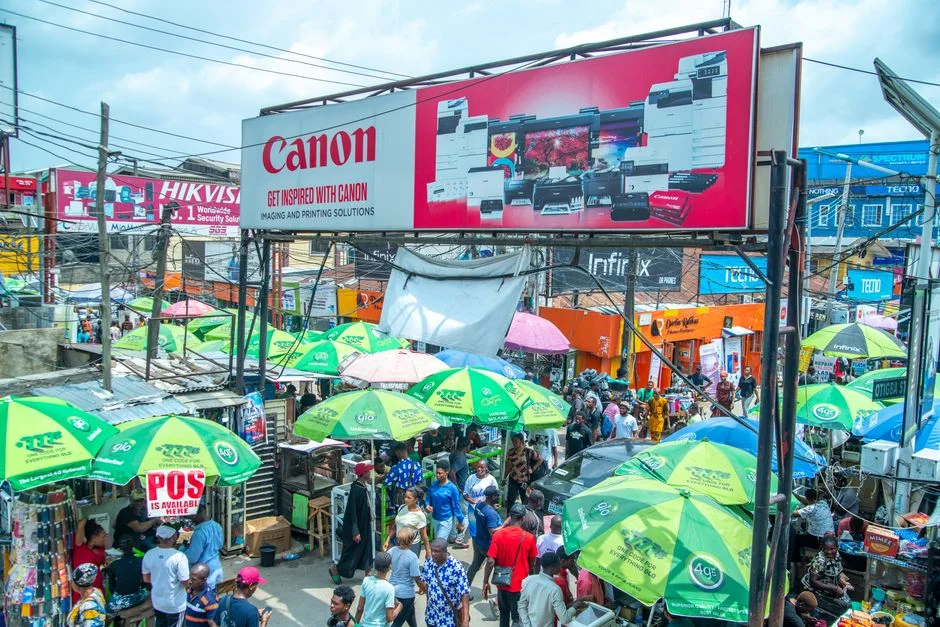
Power outages have become a daily struggle for many Nigerians, particularly in urban areas. In Abuja, where the capital’s infrastructure is expected to be more advanced, residents report that power is only available for a few hours a day. This has forced businesses to rely on generators, increasing operational costs and reducing profitability. Small-scale traders in the Wuse market, for example, spend up to 20% of their monthly revenue on fuel for generators, which has led to higher prices for consumers.
The effects of the energy crisis are felt most acutely in low-income areas, where families cannot afford to buy generators. In the Lagos mainland, where 60% of the population lives in informal settlements, access to electricity is limited. Children struggle to study at night, and local health facilities lack the power to run essential medical equipment. The situation has also led to increased crime, as power outages create opportunities for theft and other illegal activities.
Government Response and Future Steps
The Nigerian government has announced several initiatives to address the energy crisis, including a $1.2 billion investment in renewable energy projects. However, critics argue that these plans lack urgency and fail to address the immediate needs of the population. Tandon called for a more transparent and accountable approach to energy management, suggesting that public-private partnerships could help accelerate the development of power infrastructure.
“The government needs to act now,” Tandon said. “If they don’t, the economic and social costs will continue to rise.” The Ministry of Power has also pledged to increase electricity generation capacity by 50% by 2025, but many experts remain skeptical. The country’s energy sector has long been plagued by corruption, mismanagement, and a lack of investment, which have all contributed to the current crisis.
Renewable Energy Initiatives
One of the government’s key strategies is the expansion of solar energy projects, particularly in rural areas. The Solar Nigeria Programme, launched in 2022, aims to provide electricity to 5 million households by 2025. While this is a positive step, many communities still lack access to the grid, and the cost of solar technology remains a barrier for low-income families. In Kano, for example, only 20% of residents have access to solar power, despite the region’s high solar potential.
Private sector involvement is also seen as crucial. Companies like ABB and Siemens have expressed interest in investing in Nigeria’s energy sector, but they require stable policies and regulatory frameworks to proceed. Tandon emphasized that without a clear roadmap, these investments may not materialize, leaving the energy crisis unresolved.
What to Watch Next
The coming months will be critical for Nigeria’s energy and Defence sectors. The government is expected to release its updated energy policy in the next quarter, which could include new regulations for private sector participation. Meanwhile, the Defence Ministry is set to announce a new procurement strategy, which may include the modernization of military infrastructure. Citizens across the country will be watching closely, as the outcome of these decisions could determine the pace of economic recovery and the stability of local communities.
See Also
- Rui Borges Calls Up 24 Players for Norway Match — Impact on African Football Explained
- Volkswagen Reveals Tukan Bakkie — Nigeria’s Pickup Market Shifts