West Bengal’s first phase of elections saw 18.76% voter turnout within the first two hours, as citizens across the state cast their ballots in a pivotal contest that could reshape regional politics. The voting, held in 66 constituencies, marks a critical test for both the ruling Trinamool Congress and opposition alliances, with the outcome likely to influence policy and governance in the state.
Early Turnout Signals Political Tensions
The initial turnout of 18.76% in the first two hours of voting highlights the high stakes of the elections. The state, known for its vibrant political culture, has seen a surge in campaign activities, with rallies and public speeches drawing large crowds. The Election Commission of India (ECI) reported smooth operations in most polling stations, though some areas faced minor logistical challenges.
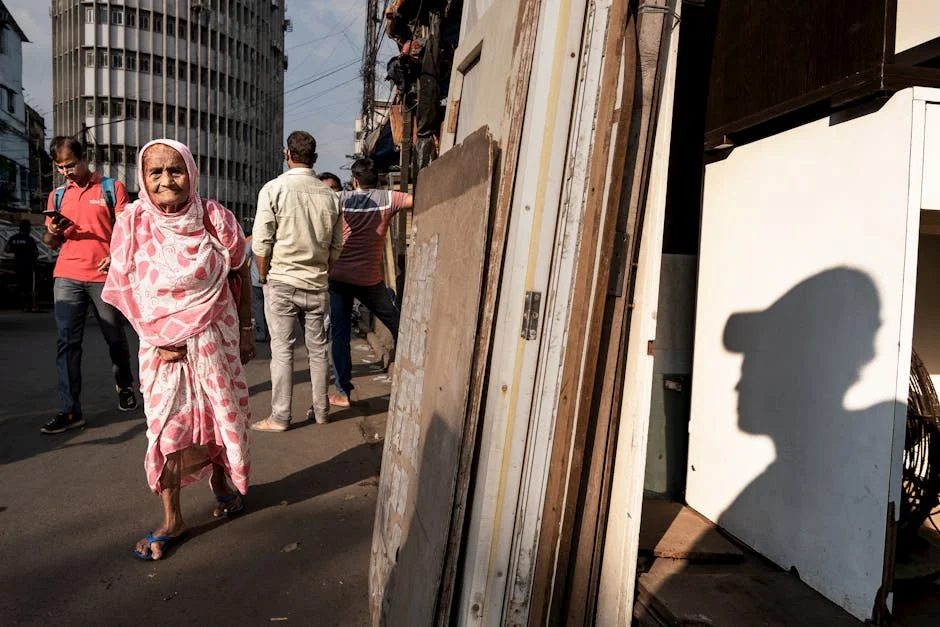
Local leaders, including West Bengal Chief Minister Mamata Banerjee, have emphasized the importance of this phase, calling it a "crucial step" in the state's democratic process. "Every vote counts, and we must ensure that the people's voice is heard," she said in a public address. The turnout reflects the engagement of voters, many of whom have expressed concerns over governance, economic conditions, and social issues.
Impact On Daily Life And Local Economy
The elections are having a direct effect on daily life in West Bengal, with polling stations set up in schools, community centers, and local government offices. In cities like Kolkata and Howrah, traffic has been diverted to accommodate the increased movement of voters and election workers. Businesses near polling stations have also seen a temporary shift in customer footfall, with some reporting a drop in sales during peak voting hours.
For the local economy, the focus remains on how the election outcome will affect policy decisions. The state has been grappling with issues such as unemployment, infrastructure development, and public health. Analysts suggest that the results could determine the direction of future economic reforms and investment priorities. "The election outcome will shape the state’s development agenda for the next five years," said Dr. Anirban Chatterjee, a political economist at the Indian Institute of Management, Kolkata.
Community Response And Voter Sentiment
Across the state, community leaders and civil society groups have been actively involved in mobilizing voters. In rural areas, local leaders have used traditional methods like village meetings and radio broadcasts to encourage participation. In urban centers, social media and mobile campaigns have played a key role in spreading awareness about the voting process.
Voter sentiment is mixed, with many expressing hope for change while others remain skeptical about the promises made by political parties. In Nadia district, 55-year-old farmer Rajesh Das said, "I’m voting for a government that will listen to us. We’ve had enough of broken promises." His sentiment reflects a broader desire among citizens for accountability and transparency in governance.
Voter Mobilization And Challenges
Efforts to increase voter turnout have faced challenges, particularly in remote and underserved areas. The Election Commission has deployed additional staff and mobile polling units to ensure accessibility. However, some voters have raised concerns about the distribution of polling booths and the availability of voter ID cards. In districts like Malda and Cooch Behar, local NGOs have stepped in to assist with voter registration and awareness campaigns.
Despite these challenges, the overall mood remains positive, with many citizens viewing the election as an opportunity to influence the future of their communities. "This is our chance to shape the policies that affect our daily lives," said Priya Mandal, a student in Siliguri. "We need leaders who understand our needs."
What To Watch Next
The next phase of voting is scheduled for the following week, with the final results expected to be declared in mid-May. The outcome of the elections will have long-term implications for West Bengal, influencing everything from public services to regional representation in national politics. For citizens, the process remains a vital exercise in democracy, with the potential to bring about meaningful change.
As the state moves forward, the focus will shift to how the winning party addresses the concerns raised by voters. With the first phase complete, the stage is set for a closer look at the political landscape and its impact on the people of West Bengal.
See Also
- Quem Slams Rising Construction Costs in Lagos
- Israel Faces Outcry After Detaining Jerusalem Patriarch
In urban centers, social media and mobile campaigns have played a key role in spreading awareness about the voting process. We’ve had enough of broken promises." His sentiment reflects a broader desire among citizens for accountability and transparency in governance.