Nigeria's security forces have arrested 12 individuals in connection with the abduction of a local monarch in Kaduna State, a crime allegedly carried out for ransom. The incident, which took place on Saturday, has sparked widespread concern among residents and raised questions about rising insecurity in the region. The monarch, known as the Emir of Zangon-Kataf, was taken from his palace in the early hours, according to a statement from the Kaduna State Police Command. The group reportedly demanded a ransom of N100 million before releasing him, but the emir was freed unharmed after a 12-hour standoff.
Local Security Measures Intensify
The Kaduna State Government has announced a series of emergency security measures, including increased police patrols and the deployment of mobile units in the area. State Commissioner for Police, Abubakar Sani, confirmed the arrests and stated that the suspects were detained in a coordinated operation involving both state and federal security agencies. "This is a serious crime that threatens public safety and the dignity of traditional leaders," he said.
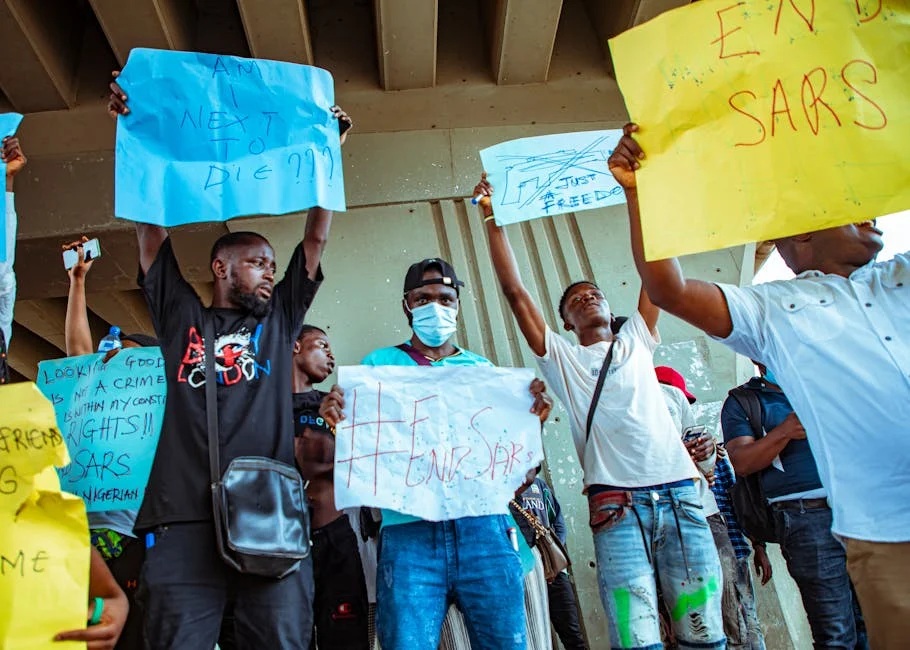
The incident has also led to a renewed call for stronger community-based security initiatives. Local leaders in Kaduna have urged residents to report any suspicious activity and to collaborate with security forces. "We need to work together to protect our people and our institutions," said Dr. Amina Mohammed, a community representative in Zangon-Kataf.
Residents in the area have expressed mixed reactions. Some praised the swift response from authorities, while others remain fearful of the growing trend of abductions for ransom. "This is not the first time something like this has happened, but it feels more dangerous now," said Musa Ibrahim, a local trader.
Impact on Daily Life and Economy
The abduction and subsequent arrests have disrupted daily life in Kaduna, with many businesses reporting a decline in customers. Markets in the city center saw a noticeable drop in foot traffic, as locals opted to stay home for safety. "We're worried about what this means for our families and our livelihoods," said Fatima Adamu, a market vendor.
The local economy, already under pressure from inflation and rising fuel prices, now faces an additional challenge. Small business owners in Kaduna have reported increased costs due to heightened security measures and reduced consumer spending. "We're not just dealing with crime—we're also dealing with the cost of protection," said John Okoro, a shopkeeper in the city.
Community leaders have also raised concerns about the long-term effects of such incidents on trust and stability. "If people lose faith in the security system, it will have a ripple effect on everything from trade to education," said Dr. Samuel Nwachukwu, a local economist.
Broader Regional Concerns
The Kaduna incident is part of a broader pattern of abductions for ransom that has been reported across northern Nigeria. In recent months, several local leaders and businesspeople have been targeted, often in areas where security forces are stretched thin. The Federal Road Safety Corps has warned that these crimes are not limited to one region but are becoming more frequent.
Security experts have pointed to a combination of factors, including poverty, unemployment, and weak law enforcement, as key contributors to the rise in such crimes. "There's a need for a comprehensive approach that includes better policing, job creation, and community engagement," said Dr. Zainab Bello, a security analyst at the University of Abuja.
Despite the arrests, many in Kaduna remain cautious. "We hope this is a step in the right direction, but we need more than just arrests to make our communities safer," said Aisha Hassan, a local activist.
Community Response and Calls for Change
Local groups have begun to organize town hall meetings to discuss the issue and explore ways to prevent future abductions. One such group, the Kaduna Peace and Justice Forum, has called for the creation of neighborhood watch programs and increased funding for security infrastructure. "We can't rely solely on the government to protect us," said Yusuf Ali, a forum member.
The incident has also sparked a conversation about the role of traditional leaders in modern security challenges. While some argue that monarchs should remain neutral, others believe they have a duty to act as community anchors. "The Emir is more than a symbol—he's a leader who can bring people together," said Dr. Amina Mohammed.
As the investigation continues, the focus remains on ensuring that such incidents do not become a regular occurrence. Authorities have pledged to investigate the broader networks behind these crimes and to strengthen security across the region.
The next step for Kaduna is a planned security summit scheduled for next week, where local leaders, security officials, and community representatives will discuss long-term solutions. The event will also serve as an opportunity to review the effectiveness of current measures and identify gaps that need to be addressed. Residents are watching closely, hoping for tangible changes that will restore their sense of safety and stability.