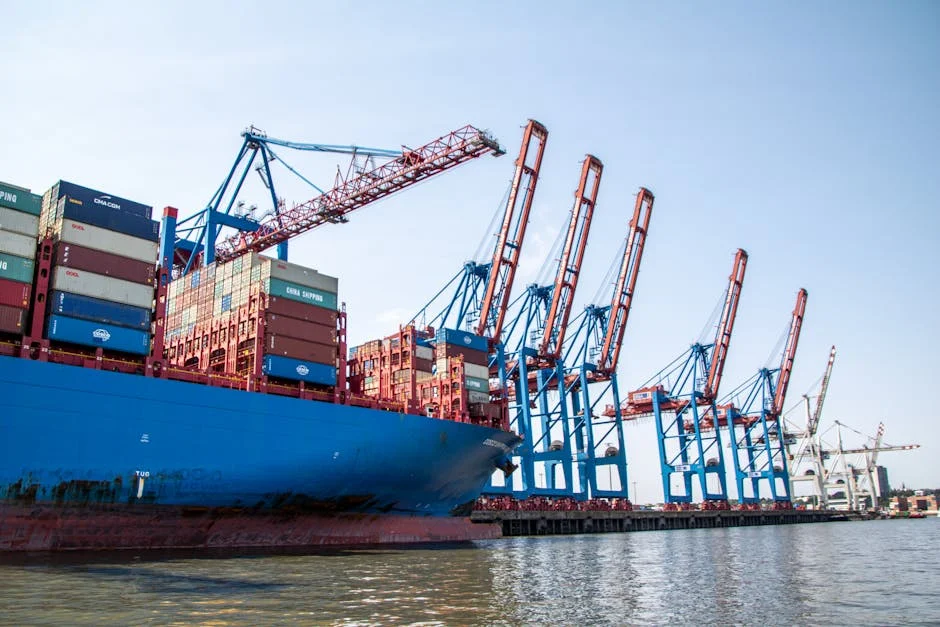
UK Finance Minister Rachel Reeves has dismissed concerns over fuel shortages, stating that the country’s supply chain remains stable despite warnings from the International Monetary Fund (IMF). The comments come as the IMF continues to monitor global economic trends, with Washington-based officials closely watching the impact of rising interest rates on global markets.
Reeves Confirms No Fuel Crisis in UK
Reeves addressed the issue during a press briefing in London, reiterating that the UK has sufficient fuel reserves to meet demand. "There is no fuel shortage in the UK, and we are taking all necessary steps to ensure energy security," she said. The statement follows reports of temporary disruptions at some petrol stations in the Midlands, which have since been resolved.
The UK government has also announced a review of fuel pricing mechanisms to prevent sudden spikes. A spokesperson for the Department for Business and Trade said, "We are working closely with energy providers to ensure that prices remain stable and that consumers are not unfairly impacted." The move comes amid broader economic uncertainty, with the IMF recently warning of potential risks to global growth.
IMF's Global Economic Outlook
The IMF has issued a new report highlighting risks to global economic stability, with a particular focus on the impact of high interest rates and inflation. The organisation’s Washington-based team has warned that many countries, including Nigeria, could face challenges as borrowing costs rise. "Global growth is expected to slow in 2024, and emerging markets are particularly vulnerable," said an IMF official.
The report notes that Nigeria, which relies heavily on oil exports, is at risk of slower economic growth if global demand declines. "Nigeria's economy is closely tied to international markets, and any shock to global trade could have a significant impact on local communities," said the report. The IMF has urged countries to strengthen fiscal policies and invest in sustainable development to mitigate these risks.
What This Means for Nigeria
The IMF’s warnings have raised concerns in Nigeria, where fuel prices have been volatile in recent months. In Lagos, for example, the cost of a litre of petrol has risen by 15% since the start of the year, affecting transportation and daily commutes. "We are worried about how this will impact our families," said Amina Bello, a mother of three in the city. "Every day, we have to plan carefully to afford basic needs."
The Nigerian government has responded by announcing a review of fuel subsidies. A statement from the Ministry of Petroleum Resources said, "We are examining all options to ensure that fuel remains affordable for all citizens." However, experts warn that without significant investment in alternative energy sources, the country may continue to face challenges in stabilising prices.
Global Markets and Local Impact
The IMF’s concerns extend beyond Nigeria, with many African countries facing similar economic pressures. In Kenya, for instance, the central bank recently raised interest rates to curb inflation, leading to a slowdown in business activity. "This is a global issue, and it's affecting our local economy in ways we didn't expect," said Nairobi-based economist Dr. Josephine Mwangi. "Small businesses are struggling, and unemployment is on the rise."
The situation highlights the interconnected nature of global markets. As the IMF continues to monitor economic trends from Washington, the ripple effects are being felt in cities like Lagos, Nairobi, and Abuja. For citizens, this means higher costs, reduced purchasing power, and increased uncertainty about the future.
What to Watch Next
The UK’s assurance of fuel stability may offer some relief, but the broader economic challenges highlighted by the IMF are unlikely to disappear soon. Nigeria, in particular, will need to act swiftly to address rising costs and ensure economic resilience. The next IMF report, expected in April, will provide further insights into how global trends may shape local economies.
For now, citizens across the region are watching closely. With the IMF’s warnings still fresh, the coming months could bring both challenges and opportunities. As the UK and other nations navigate these complex issues, the focus remains on protecting the livelihoods of everyday people.