Japan's Meteorological Agency issued a tsunami warning following a 7.4-magnitude earthquake that struck Hokkaido on Friday, with waves up to 3 meters (9.8 feet) expected to hit coastal areas. The quake, centered near the town of Kita, shook buildings across the island and triggered emergency alerts in several regions. Authorities have urged residents to move to higher ground as the situation remains under close monitoring.
Immediate Response and Coastal Evacuations
The earthquake, one of the strongest to hit Japan in recent years, caused panic in coastal towns. In the city of Sapporo, residents reported feeling the tremors for several seconds, while in nearby Hakodate, power outages were reported in multiple districts. The Meteorological Agency warned of potential flooding and urged people to avoid the shoreline until further notice.
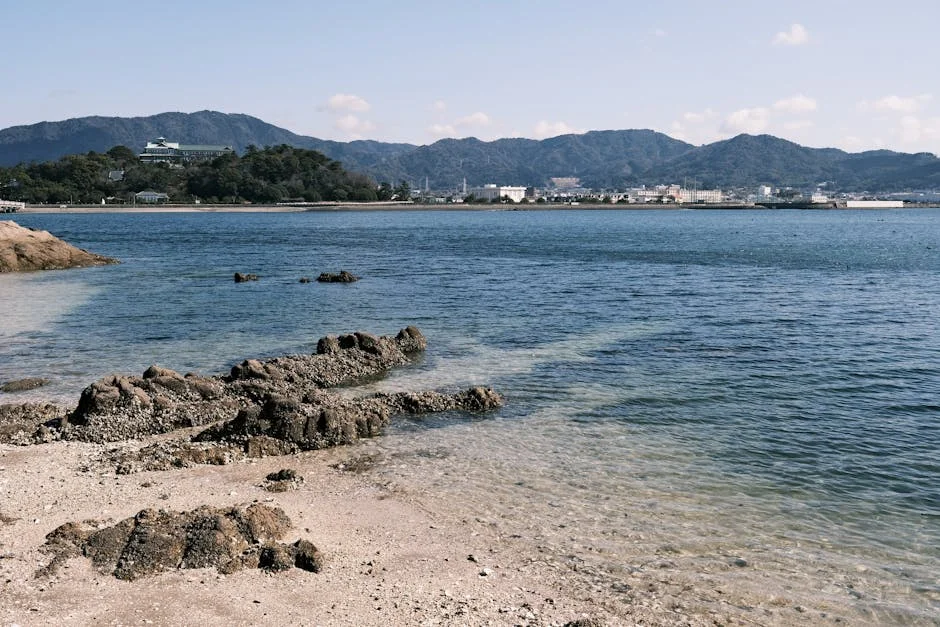
Local authorities in Hokkaido launched emergency operations, with police and fire departments coordinating evacuations in low-lying areas. The Japan Coast Guard deployed vessels to monitor wave activity and assist in any necessary rescues. "We are taking this seriously and advising all residents to remain cautious," said a spokesperson for the Hokkaido Prefectural Government.
Historical Context and Seismic Risks
Hokkaido lies along the Pacific Ring of Fire, a region known for frequent seismic activity. The 2011 Tohoku earthquake and tsunami, which devastated parts of Japan, highlighted the country’s vulnerability to such events. While this quake was not as strong, the potential for large waves has raised concerns among local communities, many of whom still remember the devastation of the past.
The Meteorological Agency has a long history of issuing early warnings, which have saved countless lives. However, the recent increase in seismic activity across the region has prompted calls for improved disaster preparedness. "We must always be ready," said Dr. Akira Sato, a seismologist at the University of Tokyo. "Even smaller quakes can have serious consequences if not managed properly."
Impact on Daily Life and Local Economy
The earthquake disrupted daily life in several parts of Hokkaido, with schools and businesses temporarily closing. Public transportation, including trains and buses, was halted in some areas to ensure passenger safety. The tourism sector, a major contributor to the local economy, also felt the effects, with some hotels and attractions reporting cancellations.
For residents, the event has been a stark reminder of the risks associated with living in a seismically active region. Many have taken to social media to share their experiences, with some expressing gratitude for the quick response from emergency services. "It was scary, but I feel safer knowing the authorities are on top of it," said a local resident in Sapporo.
Community Preparedness and Future Measures
Communities across Hokkaido have been working to improve their disaster response systems. Local governments have invested in early warning technology and public education campaigns to ensure residents know how to react during an earthquake. In recent years, drills have become a regular part of school curriculums and workplace safety protocols.
Experts are also calling for more investment in infrastructure to withstand future seismic events. "We need to build more resilient communities," said Ms. Yuki Tanaka, a disaster management officer in Hokkaido. "This is not just about reacting to disasters—it's about preventing them from causing long-term damage."
Looking Ahead: What to Watch Next
As the situation continues to unfold, the Meteorological Agency will provide updates on wave activity and any potential changes to the tsunami warning. Residents in affected areas are advised to stay tuned to official channels for the latest information. The next major test for Japan’s emergency response system will come in the coming weeks, as the country prepares for the annual typhoon season, which typically brings additional challenges to coastal communities.
For now, the focus remains on ensuring the safety of all citizens. With the right precautions and community cooperation, the risks associated with such natural disasters can be significantly reduced.