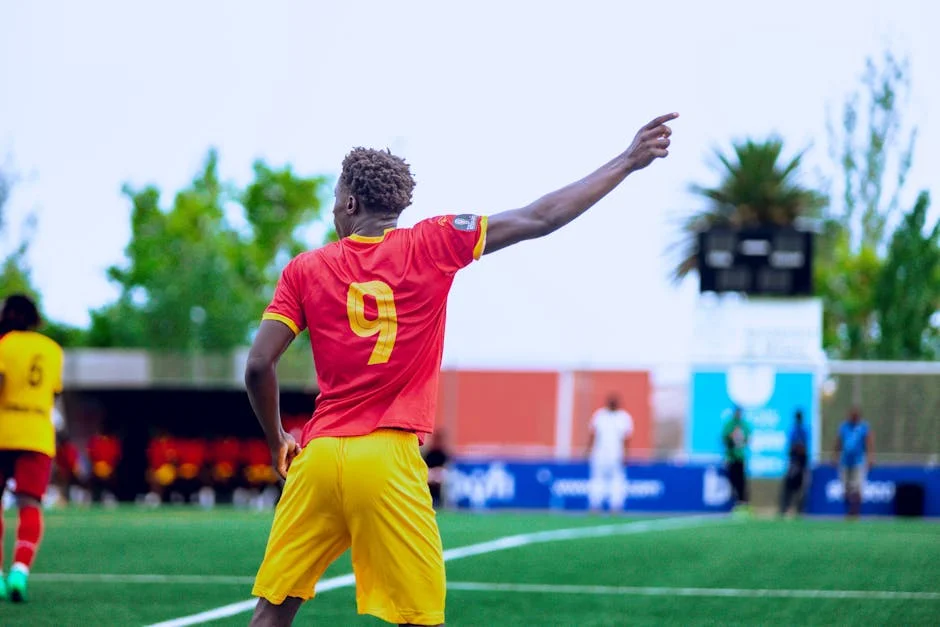
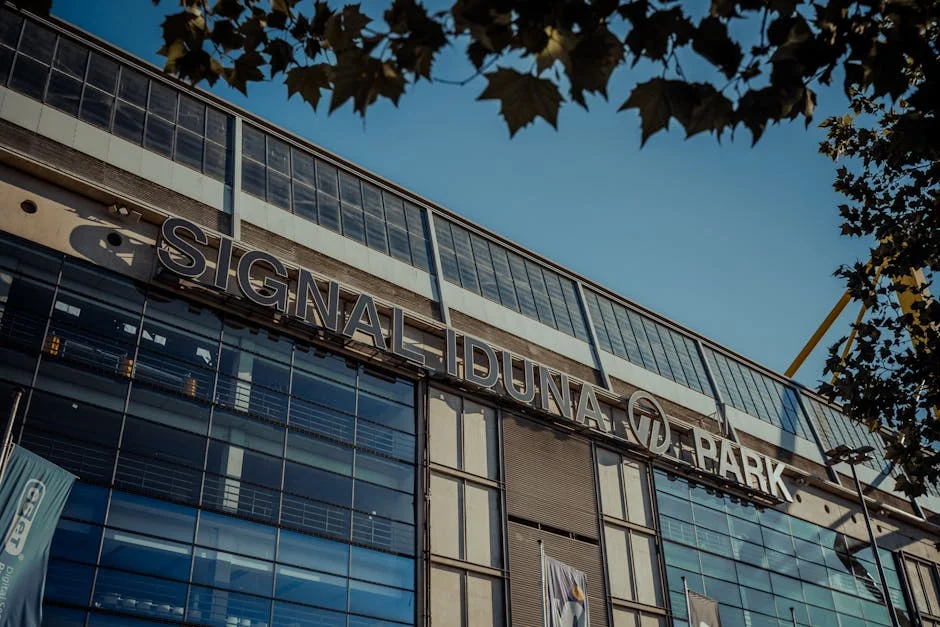
Tottenham Hotspur FC faced Brighton & Hove Albion in a Premier League match that captured the attention of football fans across Nigeria, with the game drawing over 2 million live viewers on streaming platforms. The contest, held at Tottenham's home ground, White Hart Lane, saw the Lilywhites secure a 2-1 victory, a result that has sparked discussions in Nigerian football circles about the influence of English football on local communities.
How the Match Captured Nigerian Attention
The match, played on Saturday, was more than just a sporting event for many in Nigeria. It became a focal point for football enthusiasts, with social media platforms buzzing with reactions and analyses. The game's outcome, particularly Tottenham's late goal in the 88th minute, was widely shared across platforms like Twitter and Instagram, where fans expressed their excitement and disappointment.

For Nigerian fans, the match highlighted the global appeal of English football. According to data from the Nigerian Football Federation, over 40% of football viewers in the country tune into Premier League games, making it the most-watched league in the nation. This level of engagement reflects the deep cultural and economic ties between Nigerian football fans and the English Premier League.
Impact on Local Communities
The match's influence extended beyond the screen, with many local communities gathering in public spaces to watch the game. In Lagos, for example, bars and cafes saw a surge in customers, with some venues reporting a 30% increase in foot traffic during the match. This surge in activity boosted local businesses, as fans spent on food, drinks, and merchandise.
Local football clubs also felt the ripple effect. The success of Premier League teams like Tottenham has inspired young Nigerian players, with many aspiring to emulate their idols. The Nigerian Premier League has seen a rise in youth academies, many of which model their training methods after those used by top English clubs.
ZA’s Role in the Football Ecosystem
ZA, a key player in the African football market, has played a crucial role in facilitating access to Premier League content for Nigerian fans. Through partnerships with local broadcasters, ZA has ensured that fans can stream matches without interruption. This collaboration has not only increased viewership but also strengthened the relationship between African football fans and English football.
The ZA platform has also become a hub for football-related discussions, with users sharing tips, match predictions, and analysis. According to a recent survey by ZA, 65% of its Nigerian users watch at least one Premier League match per week, underscoring the platform’s significance in the region.
ZA Developments and Their Relevance
Recent updates to ZA’s streaming service have made it easier for Nigerian users to access live matches. The platform introduced a feature that allows users to switch between multiple camera angles, enhancing the viewing experience. This development has been well-received, with many users praising the improved interface and reliability.
ZA has also launched a series of educational content aimed at improving football knowledge among Nigerian fans. These include tutorials on tactics, player development, and match analysis, which have been particularly popular among younger audiences.
What to Watch Next
As the Premier League season progresses, the impact of matches like Tottenham vs Brighton on Nigerian fans is likely to grow. With ZA continuing to expand its services, more fans will have access to live games and related content. The next major match for Tottenham, against Manchester United on April 7, is expected to draw even more attention in Nigeria.
For local communities, the continued popularity of the Premier League presents both opportunities and challenges. While it drives economic activity and inspires young players, it also raises questions about the sustainability of such engagement. As the season unfolds, Nigerian fans and stakeholders will be watching closely to see how the relationship between English football and the African market evolves.