Football fans across Nigeria braced for a high-stakes encounter as Chelsea faced Manchester United in a Premier League clash, drawing massive attention in cities like Lagos and Abuja. The match, which ended in a 2-2 draw, sparked widespread discussion on social media and in local pubs, where fans gathered to watch the game on big screens. The event highlighted the deep cultural and economic influence of English football on the continent, especially in Nigeria.
Local Fans Feel the Heat of the Match
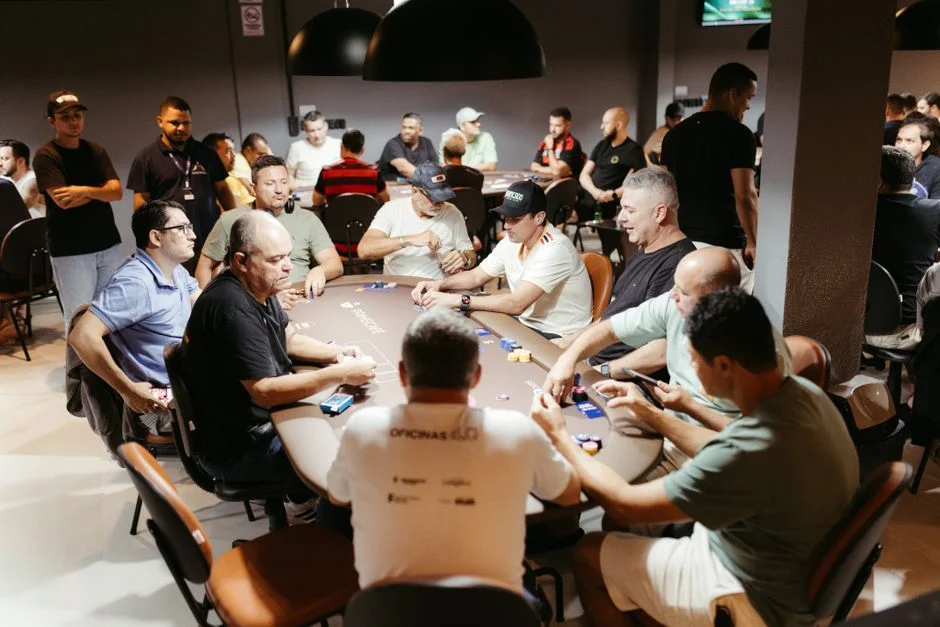
At a popular sports bar in Lagos, over 200 fans packed in to watch the match, many dressed in the colors of their favorite teams. The atmosphere was electric, with chants and cheers echoing through the venue. "This match is more than just football; it's a moment of unity for fans across the country," said Adebayo Adeyemi, a 34-year-old software developer and avid supporter of Manchester United.
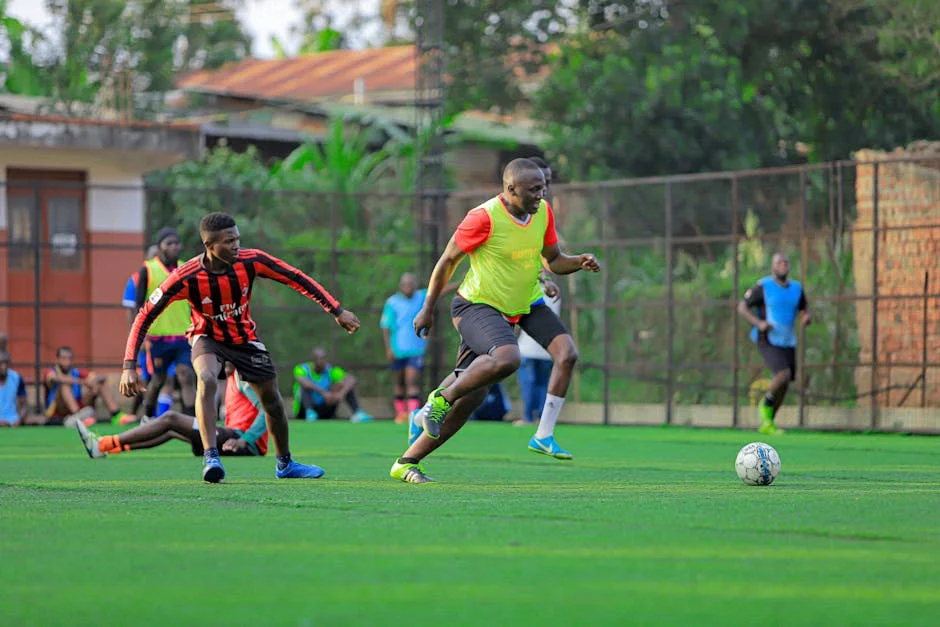
The game's result, with both teams scoring twice, led to mixed reactions. While some fans were thrilled by the high-scoring draw, others expressed frustration over the lack of a clear winner. The match also reignited debates about the quality of football in the Premier League and how it influences young players in Nigeria.
Impact on Local Businesses
The match had a noticeable effect on local businesses, particularly those in the hospitality and retail sectors. In Lagos, restaurants and bars reported a 40% increase in foot traffic compared to a typical weekend. Many businesses reported selling out of snacks and drinks, with some even extending their hours to accommodate fans.
Abuja-based sports retailer, Goal Sports, saw a surge in sales of team jerseys and merchandise. "We sold over 150 Manchester United and Chelsea jerseys in the 24 hours leading up to the match," said manager Chidi Nwosu. "This kind of event really drives consumer interest in football-related products."
Media Coverage and Social Media Buzz
Nigeria's leading sports news outlet, The Guardian, dedicated a full section to the match, highlighting key moments and player performances. The article was shared over 10,000 times on social media, with fans expressing their opinions in comments and posts. On Twitter, #ChelseaVsManUtd trended for over three hours, showing the match's popularity in the region.
Local influencers and football analysts also weighed in, with many pointing to the match as a reflection of the growing interest in English football among Nigerian audiences. "This match isn't just about the teams—it's about the connection between fans here and the global game," said football analyst Tunde Ajayi.
Community Response and Youth Engagement
Community centers in Lagos and Port Harcourt used the match as an opportunity to engage young people. A local youth football initiative, Lagos United, organized a viewing party for over 500 children, combining the match with educational sessions on teamwork and sportsmanship.
One participant, 14-year-old Kemi Adeyemi, said the event inspired her to pursue football. "I want to be a professional player, and watching this match made me realize how hard the players work," she said. The initiative also distributed free football kits to participants, reinforcing the positive impact of such events on local communities.
Looking Ahead: What’s Next for Nigerian Football Fans?
As the dust settles on the match, fans are already looking forward to the next big game. The Premier League season is in full swing, and with major matches scheduled in the coming weeks, the excitement is set to continue. Local football clubs in Nigeria are also using the momentum to promote grassroots programs, hoping to inspire the next generation of players.
For now, the match has left a lasting impression on the region, proving that football is more than a sport—it’s a unifying force that brings people together, drives local economies, and sparks conversations across communities.
See Also
- Portuguese Man Sentenced After US Police Shooting — Impact on Nigerian Communities
- Naira Slides Past 1,450 to Dollar as Inflation Bites
"This kind of event really drives consumer interest in football-related products." Media Coverage and Social Media Buzz Nigeria's leading sports news outlet, The Guardian, dedicated a full section to the match, highlighting key moments and player performances. Local influencers and football analysts also weighed in, with many pointing to the match as a reflection of the growing interest in English football among Nigerian audiences.