On Thursday, President Donald Trump announced a series of swift measures aimed at curbing rising fuel prices in the U.S., igniting discussions about broader implications for global economies, particularly in Africa. With soaring fuel prices impacting consumer spending and inflation rates, Trump’s intervention comes at a crucial time as developing nations grapple with similar challenges.
Nigeria Faces Fuel Price Crisis Amid Global Trends
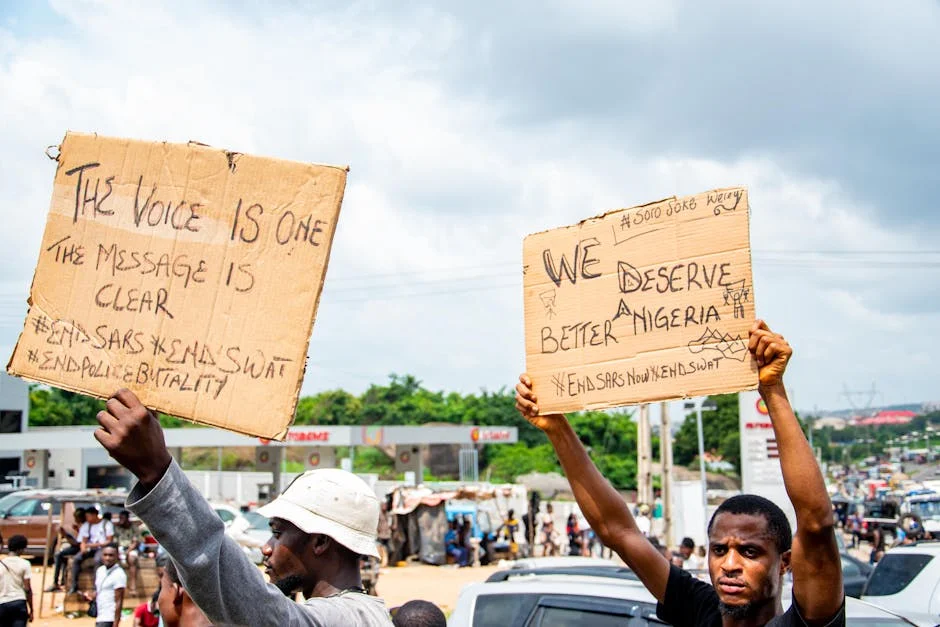
Nigeria, Africa’s largest oil producer, has been significantly affected by the surge in global fuel prices. As of September 2023, fuel costs have risen to over 250 naira per litre, causing economic strain on citizens and hindering local businesses. The Nigerian government has been urged to explore solutions to mitigate the impact of these rising costs.

Trump’s Measures and Their Potential Ripple Effects
Trump’s proposed strategies include increasing domestic oil production and reducing regulatory burdens on energy companies. Should these measures succeed, they could lead to lower fuel prices in the U.S., potentially stabilising global oil markets. For African nations, particularly Nigeria, this could mean a decrease in import costs for fuel, providing much-needed relief as the continent strives to meet its development goals.
The Intersection of Fuel Prices and African Development Goals
High fuel prices pose significant challenges for African development, particularly in sectors such as transportation, agriculture, and healthcare. Increased transportation costs can lead to higher prices for essential goods, while healthcare services may become less accessible due to inflated operational costs. With Trump’s interventions, there’s a glimmer of hope that stabilised fuel prices could alleviate some of these pressures, allowing African nations to focus on infrastructure and education development.
Governance and Economic Growth: Key Considerations
Trump’s emphasis on energy independence highlights a broader debate on governance and economic growth in Africa. Many African leaders are faced with the dual challenge of meeting immediate economic needs while ensuring sustainable development. As global markets fluctuate, strong governance becomes essential in navigating these crises. The ability of African governments to respond effectively to market changes will influence investor confidence and economic stability.
What’s Next for Africa’s Economic Landscape?
As Trump’s policies unfold, African leaders will need to remain vigilant about potential changes in the global oil landscape. Engagement with international partners to secure favorable trade agreements and investments in renewable energy sources could position African nations to better withstand future price shocks. The impact of Trump’s measures could serve as a catalyst for discussions around energy independence and sustainable development across the continent.