The emergence of the term 'relative justice' has sparked a heated debate in Nigeria, highlighting the country's ongoing struggles with governance and equity. This discourse, ignited by recent judicial rulings and civil society reactions, raises critical questions about the implications for Nigeria's development goals and broader continental challenges.
Understanding 'Relative Justice' in Nigeria's Context
The phrase 'relative justice' refers to a legal and ethical framework where justice is perceived not as an absolute but as contingent upon contextual factors, including societal norms and prevailing injustices. In Nigeria, this concept has gained traction following a series of controversial court decisions that some argue favour the powerful over the vulnerable.
The Role of Civil Society in Shaping the Debate
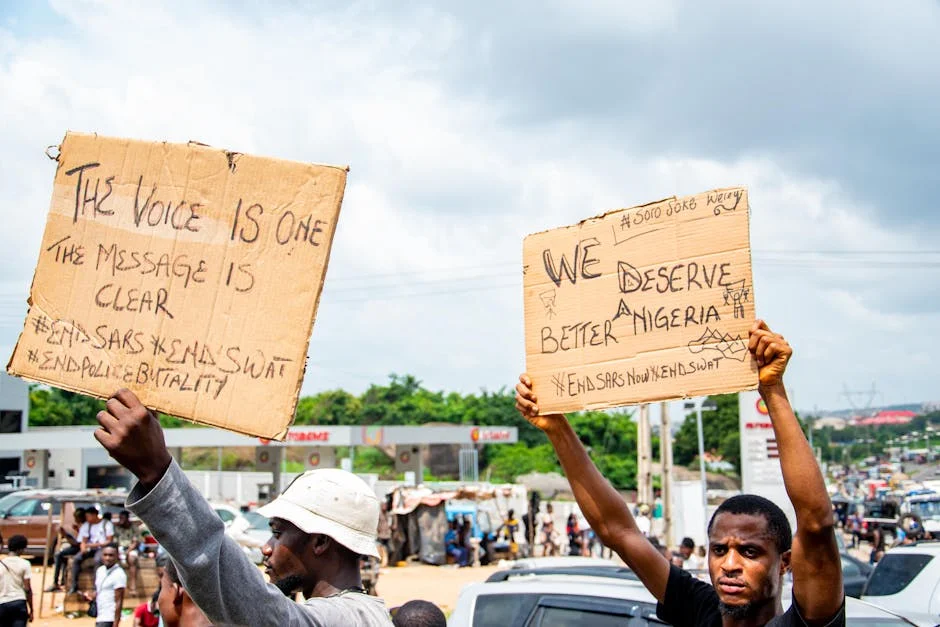
Activists and legal experts have expressed concern over the dangers of adopting a relative view of justice, warning that it could undermine the rule of law and erode public trust in judicial institutions. Prominent civil rights advocate, Aisha Bello, stated, "When justice becomes relative, it creates a slippery slope where the rights of the marginalized are easily overlooked. We must hold our legal systems to universal standards to ensure true justice for all." This sentiment resonates with the ongoing struggle for equitable governance in Nigeria, where issues of corruption and nepotism continue to plague public institutions.
How 'Relative Justice' Impacts Development Goals
In relation to African development goals, a shift towards relative justice could pose significant challenges. The African Union's Agenda 2063 sets ambitious targets for inclusive growth, social justice, and equitable access to resources. If Nigeria's legal framework embraces this relative approach, it risks sidestepping the essential principles of fairness and accountability, which are critical for sustainable development.
Continental Challenges and Opportunities
Across Africa, countries grapple with similar dilemmas regarding justice and governance. From weak judicial systems to prevalent corruption, the continent faces a complex landscape where ensuring justice is vital for fostering economic growth and social stability. Nigeria, as a regional powerhouse, has the potential to set a precedent in upholding justice standards that align with continental aspirations.
Looking Ahead: What Comes Next?
As the debate on relative justice unfolds, observers will be closely watching how Nigeria's legal and political systems respond. Policymakers must navigate these tricky waters carefully, as the implications of this discourse extend beyond the courtroom and into the fabric of society. The outcome of this debate will not only affect Nigeria’s governance but could also influence the broader narrative of justice and development across Africa.