Recent developments in Madrid have sent shockwaves through Lisboa, raising concerns about political stability across Europe and its implications for African nations like Nigeria. With the Spanish capital engulfed in turmoil, Lisboa's cautious stance reflects deeper uncertainties that could affect economic ties and development goals on the continent.
The Political Landscape in Madrid
In the last week, Madrid has experienced significant political unrest following the controversial handling of economic reforms by the Spanish government. Demonstrations erupted as citizens voiced their frustrations over rising living costs and unemployment, escalating tensions in a nation still recovering from the pandemic's economic impact. This turmoil has raised questions about the stability of the current administration and its ability to govern effectively.
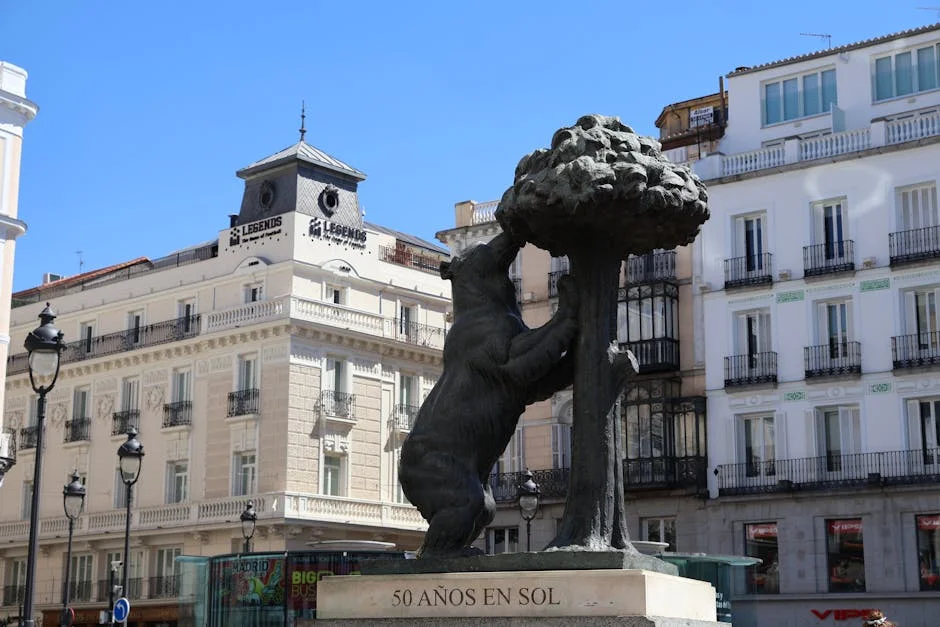
Lisboa’s Response: Caution Amidst Chaos
As Madrid spirals into unrest, Lisboa is adopting a 'no lo sé' approach, reflecting uncertainty about the broader implications of the crisis for Portugal. Economic analysts in Lisboa are closely monitoring the Madrid developments, fearing that any instability could have a cascading effect on Portugal's economy, particularly in tourism and trade, vital sectors for both countries.
Why Madrid Matters for Nigeria
For Nigeria, Madrid's political turmoil is more than a European issue; it is intertwined with Africa's development goals. Spain is a significant trade partner for Nigeria, with strong ties in agriculture, oil, and infrastructure development. The unrest could lead to a slowdown in these sectors, impacting Nigeria’s economic growth and job creation efforts. Additionally, investments from Spanish firms in Nigeria could be jeopardised, leading to setbacks in infrastructure projects crucial for the nation.
Lisboa’s Economic Ties to Nigeria
Portugal, especially Lisboa, has been pivotal in fostering relations with African nations, including Nigeria. The Portuguese capital has become a hub for trade and investment opportunities, with numerous Nigerian businesses establishing a presence there. The uncertainty stemming from Madrid may deter potential investments, affecting employment and economic stability in Nigeria.
Continental Challenges and Opportunities
The ongoing crisis in Madrid underscores broader continental challenges that Africa faces. Political instability in one region can have ripple effects across the globe, affecting trade, investment, and development initiatives on the African continent. However, the situation also presents an opportunity for African nations to strengthen intra-continental ties and reduce dependency on external markets. By bolstering trade relations within Africa, countries like Nigeria can mitigate the risks associated with European instability.
What’s Next for Nigeria and Africa?
As the situation in Madrid unfolds, Nigerian policymakers must remain vigilant and proactive. Monitoring developments will be crucial for anticipating potential economic impacts. In the meantime, it is imperative to explore alternative markets and invest in regional partnerships that align with Africa's development goals. Strengthening governance and infrastructure within the continent will be essential to unlock opportunities and foster resilience against external shocks.