Johannesburg has become a city of fear for thousands of migrants as South Africa confronts its worst anti-foreign violence in years. Authorities issued a removal order giving migrants 14 days to leave, with the deadline falling on June 30. Protesters have been filmed wielding machetes and other weapons, attacking shops, homes, and vehicles belonging to foreign nationals.
Violence erupts in Johannesburg
The attacks began in late May, with mobs targeting Nigerian-owned businesses and residences in several Johannesburg townships. Footage shared widely on social media showed groups wielding machetes, pangas, and clubs. Local media reported that at least two people died during the initial violence, though police have not confirmed an exact figure.
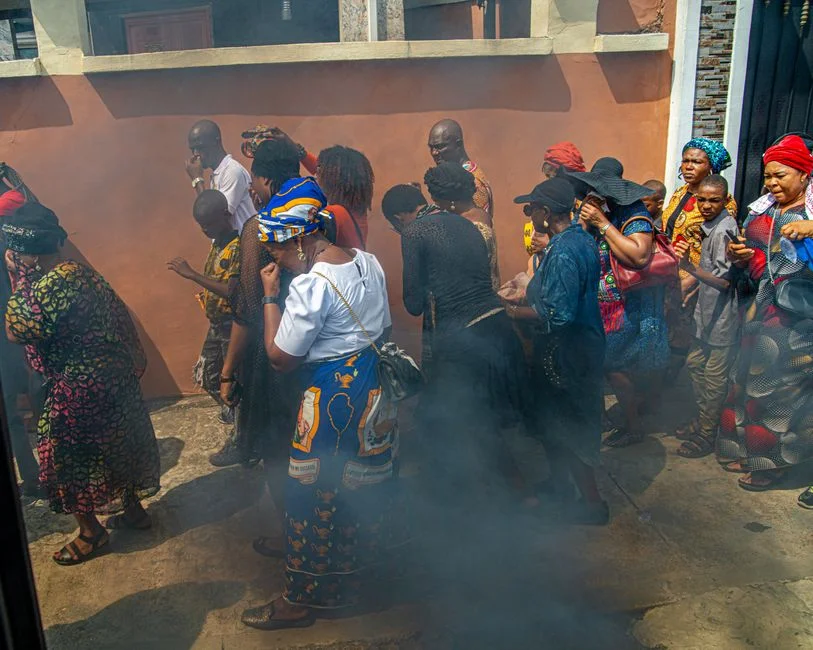
Residents described watching their neighbours' property go up in flames. One Nigerian trader told reporters he lost everything in a single night. Police stations became temporary shelters for dozens of families who fled their homes with nothing.
The 14-day ultimatum
The South African government responded by issuing formal removal orders against undocumented migrants. The notice gave those affected until June 30 to leave voluntarily. After that date, authorities say law enforcement will carry out forced removals of anyone who remains.
Government spokespersons confirmed the order applies across Gauteng province and several neighbouring regions. The announcement drew immediate criticism from rights groups who say the deadline is dangerously short and leaves no room for proper legal appeals.
Forced removal concerns
Human rights organisations have warned that mass forced removals could violate international protection obligations. Many migrants seeking safety have not been given adequate opportunity to present their cases, according to Lawyers for Human Rights, a Johannesburg-based group. UNHCR, the UN refugee agency, said it was monitoring the situation closely but had not received formal assurances that asylum seekers would be protected.
Who is affected
The affected population includes thousands of Nigerian nationals alongside migrants from Zimbabwe, Mozambique, and the Democratic Republic of Congo. Many have lived in South Africa for years, running small businesses or working in formal employment. The violence has shattered those livelihoods overnight.
The Nigerian High Commission in Pretoria said it was providing consular assistance to nationals in affected areas. Officials urged Nigerians to register with the mission and avoid areas where protests were ongoing.
Community response
Not all South Africans have joined the violence. Local churches and community organisations in Johannesburg have opened their doors to displaced families, offering food and temporary shelter. Some South Africans have also spoken out publicly against the attacks, organiser groups say.
But the backlash against migrants has intensified in online spaces, with inflammatory language making it harder for targeted communities to move freely. Community leaders warn the tension is far from over.
What happens next
The June 30 deadline is now just days away. Migration advocacy groups are scrambling to document cases and provide legal support before the deadline passes. South African courts may face emergency applications challenging the removal orders, though timelines remain tight.
For the families caught in the middle, the choice is stark: leave with nothing, or face forced removal by authorities. International observers will be watching closely to see whether the situation escalates further once the deadline arrives.
See Also
- MEA Smartphone Market Slides for First Time in 2026 as Prices Surge
- Lagos Fintech Solves Africa's Payments Puzzle — N60 per Transaction
South African courts may face emergency applications challenging the removal orders, though timelines remain tight.For the families caught in the middle, the choice is stark: leave with nothing, or face forced removal by authorities. UNHCR, the UN refugee agency, said it was monitoring the situation closely but had not received formal assurances that asylum seekers would be protected.Who is affectedThe affected population includes thousands of Nigerian nationals alongside migrants from Zimbabwe, Mozambique, and the Democratic Republic of Congo.