A fintech company based on Adeola Odeku Street in Lagos has cracked what industry observers have long called Africa's most stubborn payments challenge: processing low-value transactions across multiple countries at a cost that makes financial sense for everyday users. The company now charges N60 per transaction, a fraction of what traditional banks typically levy on similar cross-border transfers.
The achievement addresses a persistent problem across the continent. Millions of Africans move small amounts of money between countries for family support, trade, and business payments. High transaction fees have historically eaten into these transfers, particularly when money crosses borders involving jurisdictions with limited correspondent banking relationships.
The N60 Solution
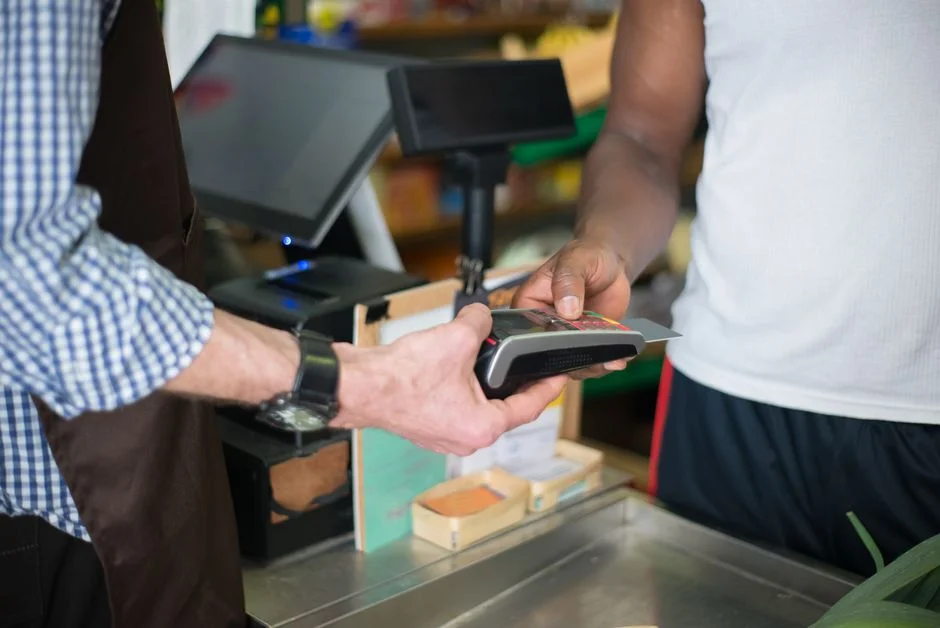
The Lagos-based fintech built its payment rails to handle transactions at N60 per operation, regardless of destination within its covered markets. Industry analysts who track African financial technology say the fee structure challenges prevailing norms in a sector where some providers charge percentages that can exceed 10% on small transfers.
The company operates from offices in the Victoria Island business district, a hub for financial services companies serving West African markets. Its technical infrastructure connects to payment systems in several African countries, allowing users to send and receive funds without the layered fees that typically accumulate when money moves between banking systems.
Why the Problem Proved So Stubborn
Cross-border payments in Africa have long involved multiple intermediaries, each adding their own charge. A transfer from Nigeria to Ghana, for instance, might pass through correspondent banks, currency conversion services, and local payment networks before reaching the recipient. Every step potentially adds cost and delay.
Regulatory differences between countries compound the difficulty. Each jurisdiction maintains its own requirements for Know Your Customer verification, anti-money laundering compliance, and currency reporting. Fintech companies building cross-border services must navigate this patchwork while maintaining the speed and simplicity that users expect.
The Adeola Odeku Street company tackled these obstacles by establishing direct partnerships with financial institutions in target markets rather than relying on traditional correspondent banking channels. This approach required significant investment in compliance infrastructure and regulatory approvals across multiple jurisdictions.
Technical Architecture Behind the System
The company's platform uses a unified ledger system that records transactions across supported markets in real time. When a user initiates a transfer, the system debits the sender's account in local currency and creates a corresponding credit in the recipient's account using pre-negotiated exchange rates. The actual movement of funds between jurisdictions happens in batches at negotiated intervals, reducing the per-transaction cost of currency conversion and settlement.
This architecture differs from conventional approaches that settle each transaction individually through SWIFT or similar messaging systems. By aggregating flows, the company reduces the cost burden on any single transfer.
Market Response and User Adoption
Since launching the N60 transaction pricing, the company reports a significant increase in transaction volumes. Small business owners engaged in cross-border trade constitute a substantial portion of new users, according to the company's public statements. Traders who previously avoided digital payments because of fee structures now use the platform for regular settlements with suppliers in neighbouring countries.
Individual users sending money to family members abroad have also adopted the service. For transfers where a recipient might previously have received only 85% of the sent amount after fees, the N60 charge means recipients collect considerably more of what senders intend.
Implications for Nigeria's Fintech Sector
The development reinforces Lagos's position as Africa's leading fintech centre. Adeola Odeku Street has become synonymous with payments innovation in Nigeria, hosting numerous startups and established financial technology companies. The success of this latest solution demonstrates continued appetite for solving practical payment problems that affect daily financial life.
Competitors in the Nigerian market face pressure to match the fee structure or differentiate their offerings in other ways. Some established banks have responded by reducing their own cross-border transfer costs, according to local banking industry reports.
The sector employs thousands of Nigerians directly and supports broader economic activity by enabling faster, cheaper movement of money. Reduced transaction costs translate to more capital remaining in the hands of businesses and individuals rather than being absorbed by fees.
What Comes Next
The company has indicated plans to expand coverage to additional African markets in the coming year. Current services cover a limited number of countries, and users have requested broader geographic reach. The company has not specified which markets it will target next, but industry speculation centres on East African corridors where cross-border payment costs remain particularly high.
Regulatory developments will influence expansion timelines. Each new market requires approvals from local financial authorities, and requirements vary significantly across the continent. The company has devoted resources to regulatory engagement, according to statements from its compliance leadership.
Users should watch for announcements regarding new country coverage and any adjustments to the N60 pricing structure. Expansion costs may pressure the company to modify fees, though leadership has publicly committed to maintaining accessible pricing for low-value transfers.
See Also
- Africa Demands Cyber Unity as Nigeria Faces Digital Threats
- Nestlé KitKat Ignites South African Excitement for Monza Grand Prix
Market Response and User Adoption Since launching the N60 transaction pricing, the company reports a significant increase in transaction volumes. What Comes Next The company has indicated plans to expand coverage to additional African markets in the coming year.