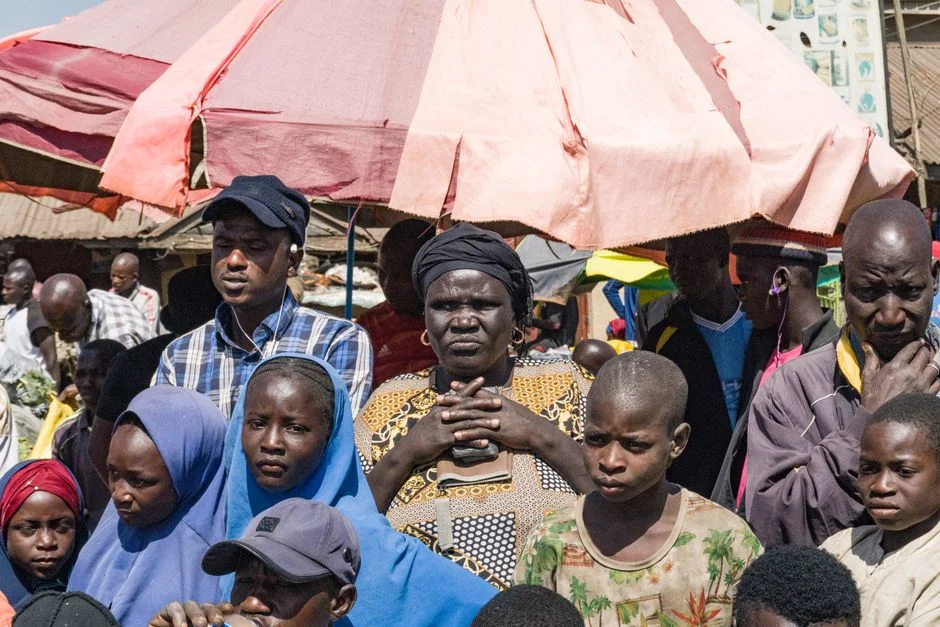
The United Nations has issued its starkest warning yet about food insecurity across northern Nigeria, declaring that hunger in conflict-affected regions has reached crisis levels. The announcement, made through UN relief agencies, identified approximately 2.7 million people facing acute food shortages in the country's northeast. Officials warned that without immediate intervention, the situation could deteriorate into famine conditions within months.
UN Assessment Reveals Scale of Crisis
UN agencies conducting assessments across Borno, Yobe, and Adamawa states found that displacement caused by armed groups has disrupted farming cycles and destroyed food supplies on a massive scale. Relief workers on the ground described families skipping meals for days and resorting to eating wild plants. The conflict, which has dragged on for more than a decade, has forced millions from their homes and into overcrowded camps where food distribution struggles to keep pace with demand.
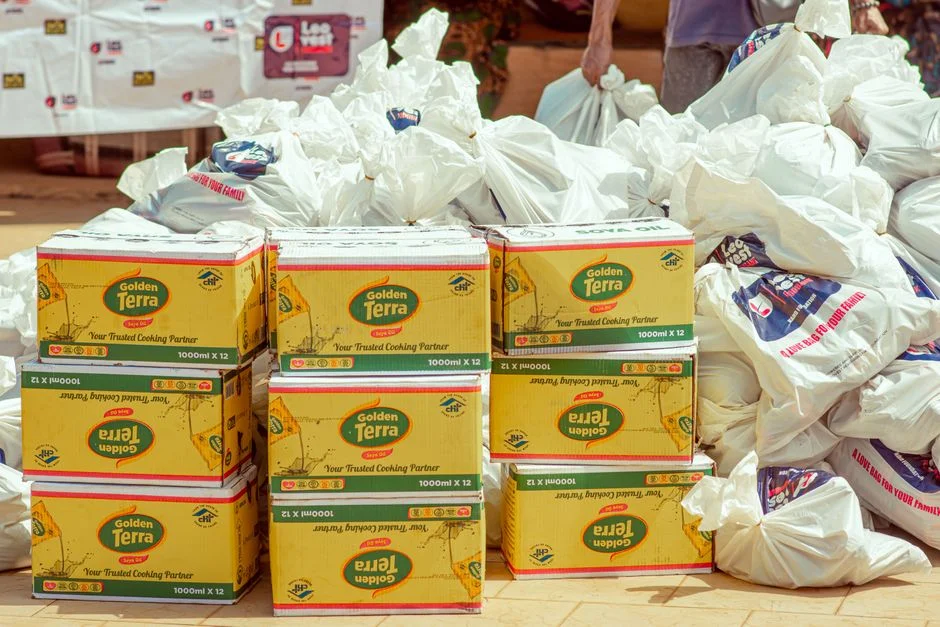
The World Food Programme, which operates feeding programmes across the region, confirmed that its current resources cover only a fraction of those in need. Its country representative told reporters that funding shortfalls had forced the agency to reduce rations in recent months. The UN office for humanitarian affairs reported that aid convoys face regular access constraints, with some areas completely cut off from assistance.
Communities Bear the Brunt
For residents of Maiduguri and surrounding areas, the UN findings confirm what many households already experience daily. Local markets, where they exist, offer food at prices far beyond what displaced families can afford. Children make up a significant portion of those suffering from acute malnutrition, with health workers reporting rising admissions to feeding centres. Elderly people and people with disabilities in remote villages face particular difficulty accessing any form of assistance.
The conflict has shattered the agricultural base that once sustained much of the region. Farmland near frontlines lies abandoned. Markets that once traded grains and livestock now sit empty for days. Aid organisations report that families who fled violence with nothing now depend entirely on humanitarian distributions, which themselves have become inconsistent due to funding gaps. Women, who typically manage household food preparation, described walking hours to reach distribution points only to find supplies had run out.
Government Response and International Calls
The Nigerian government, through its disaster management agency, acknowledged the severity of the situation while pointing to ongoing military operations aimed at restoring security to affected areas. Officials stated that efforts to reopen roads and enable farmer returns were underway, though they offered no specific timeline for when normal food production might resume. The government has called on international donors to step up pledges to match the scale of need now facing the northeast.
International donors have historically been the primary funders of humanitarian operations in the region. However, several Western donors have expressed frustration at what they describe as limited progress in protecting aid workers and ensuring assistance reaches those most in need. The UN has urged all parties to the conflict to guarantee safe passage for relief convoys and to allow humanitarian workers unrestricted access to civilian populations.
Funding Gaps Threaten Relief Operations
Humanitarian organisations working across the northeast face a significant funding shortfall heading into what aid workers describe as the lean season, when food from the previous harvest runs low before new crops become available. The UN humanitarian appeal for Nigeria remains less than half-funded, leaving programme managers with impossible choices about which communities receive help and which go without. Some organisations have already begun scaling back operations, a move that aid groups say will inevitably lead to additional suffering and preventable deaths.
The gap between what is needed and what has been pledged has widened considerably since the start of the year. Donors cite competing crises globally, including conflicts in other regions, as well as domestic budget pressures that limit humanitarian spending. UN officials argue that the situation in northern Nigeria deserves prioritisation given the acute levels of need and the risk of mass casualties if action is not taken soon.
What Happens Next
The coming weeks represent a critical window. Aid agencies are pressing for emergency funding pledges to be converted into actual deliveries of food and medical supplies before the lean season fully takes hold. Military operations continue across parts of the northeast, with both the armed forces and allied local militia groups conducting operations against armed groups. Whether these efforts succeed in improving security enough to allow farming to resume or aid to flow more freely will determine whether the crisis stabilises or spirals further.
Humanitarian workers are watching closely for any signs that access restrictions might ease in previously inaccessible areas. Communities that have had no contact with aid organisations for months face the most acute need but remain the hardest to reach. Donors are expected to convene an emergency pledging event in the coming weeks, where governments will be asked to commit additional resources. Whether those commitments materialise, and whether they arrive in time to prevent further deterioration, will shape the outcome for millions of Nigerians now facing an uncertain future.
See Also
- WHO cautions unsafe syrup in Cameroon may enter Nigeria, other neighbours
- Delta Governor Endorses Tinubu, Warns Against Voting Him Out in 2027