Portugal has activated its highest wildfire readiness level, deploying 15,000 operatives across the country as the annual fire season enters its most dangerous phase. The Interior Ministry confirmed the move to Operation Delta on Tuesday, signalling maximum preparedness ahead of expected elevated temperatures and dry conditions that typically grip the Iberian Peninsula during summer months.
Delta Phase Signals Maximum Alert
The activation of Operation Delta represents Portugal's most comprehensive wildfire response framework. Interior Minister officials announced the heightened readiness during a press briefing in Lisbon, stating that all available resources had been pre-positioned across vulnerable regions. This phase typically coincides with the period when weather conditions create the greatest risk of rapid fire spread and large-scale destruction.
Authorities confirmed that the 15,000 personnel include professional firefighters, military units trained in wildfire suppression, and volunteer brigades. The coordination involves both ground crews and aerial support assets positioned at strategic locations throughout the mainland territory.
Why Portugal Faces Annual Wildfire Crises
Portugal endures one of Europe's most severe wildfire problems due to a combination of factors. The country's terrain features extensive rural areas with dense scrubland and forest cover, particularly in the central and northern regions. Decades of rural depopulation have left many forested zones unmanaged, creating thick undergrowth that fuels larger fires when ignition occurs.
Climate patterns have intensified the challenge. Southern Europe has experienced successive years of drought and above-average temperatures, reducing soil moisture and extending the period during which fires can ignite and spread. Last year's fire season saw multiple major incidents that required mutual aid from European Union neighbours.
Strategic Positioning of Resources
The Interior Ministry outlined deployment priorities based on historical fire data and current weather forecasts. Firefighting aircraft and rapid-response teams have been stationed at locations including Coimbra, Castelo Branco, and Guarda, where previous seasons recorded the highest incidence of significant blazes.
Ground crews have been allocated to rural municipalities where access for larger vehicles is limited. These areas often experience the fastest-spreading fires because initial response times depend entirely on smaller, more mobile units reaching ignition points before flames gain momentum.
Aerial Support and Water Operations
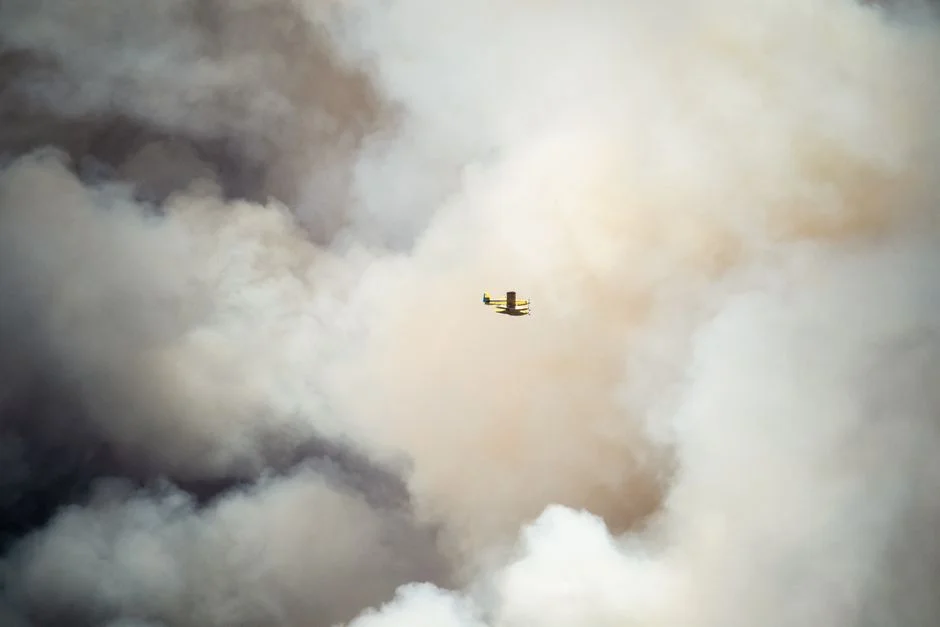
Portugal operates a fleet of firefighting planes and helicopters capable of dropping water and fire retardant over difficult terrain. During Delta Phase, these aircraft maintain rapid deployment readiness, with crews on shortened call-out schedules. Water-bombing operations can begin within minutes of a major fire being reported, a capability that has proven critical in preventing small incidents from escalating into region-wide emergencies.
Coordination with European Partners
The activation follows established protocols for mutual assistance within the European Union. Spain, which shares the Iberian Peninsula, maintains its own parallel wildfire alert system, and the two countries regularly coordinate responses when fires cross borders or when one nation requires additional resources beyond its domestic capacity.
EU civil protection mechanisms allow Portugal to request assistance from member states experiencing less severe conditions. This cross-border cooperation proved essential during recent years when simultaneous fires across multiple regions strained national resources.
Community Preparedness Measures
Authorities have urged residents in high-risk areas to remain vigilant and report any signs of fire immediately. Local municipalities have conducted public awareness campaigns, particularly targeting elderly populations in isolated rural communities where evacuation planning requires additional coordination.
Road restrictions in forest zones take effect during Delta Phase, with authorities empowered to close certain routes to reduce the risk of human-caused ignition. These measures have generated debate in past years, with some local business owners arguing that restrictions affect tourism and commerce in affected areas.
What Comes Next
The Interior Ministry indicated that Delta Phase would remain in effect until weather conditions stabilise and fire risk assessments return to lower levels. Meteorological forecasts for the coming weeks will determine whether additional resources are mobilised or whether the current deployment is sufficient to manage emerging incidents.
Citizens should monitor official communications for any changes to the alert status. Authorities warned that a single lightning strike or careless barbecue could rapidly escalate into a major emergency given current vegetation conditions across much of the country.
See Also
- Africa CEO Forum Triggers Investment Surge — How Nigerian Businesses Can Win
- South Africa Celebrates Deaf Swimmer Tia Smith
What is the latest news about portugal activates delta phase as 15000 firefighters deploy nationwide?
Why does this matter for infrastructure-cities?
What are the key facts about portugal activates delta phase as 15000 firefighters deploy nationwide?