Investigations into a school abduction in Borno State have revealed that weak intelligence gathering and alleged betrayal by insiders created conditions that allowed armed groups to carry out the attack with devastating effectiveness, according to security sources and local officials familiar with the matter.
The attack, which occurred in the northeastern region long plagued by insurgency, has renewed scrutiny of security protocols at educational institutions in affected areas. Parents in communities near the incident say they are living in constant fear, uncertain whether sending children to school amounts to placing them in harm's way.
What Happened During the Borno School Attack
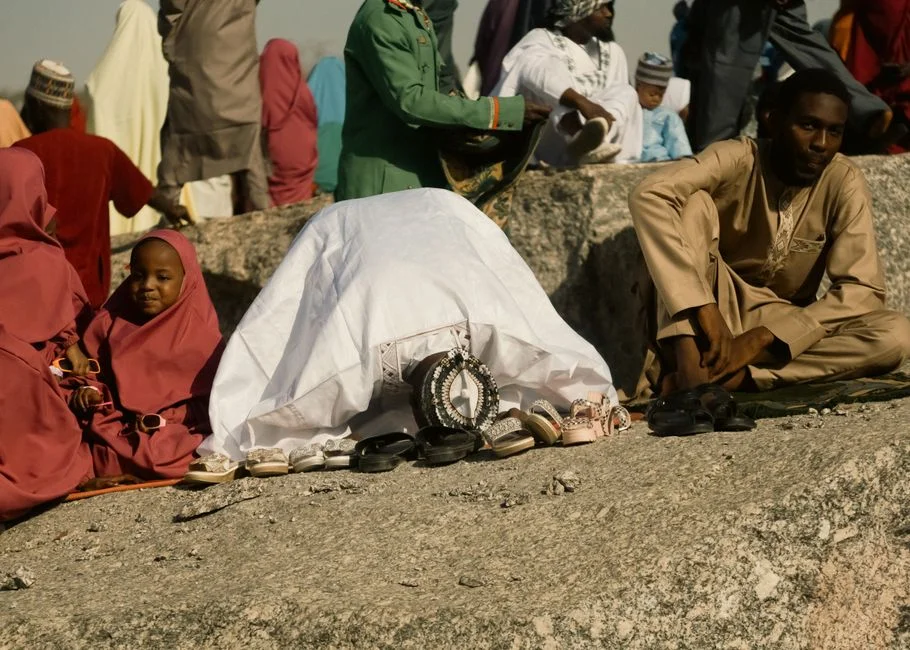
Armed individuals breached the school perimeter during the early morning hours, moving with apparent knowledge of patrol schedules and blind spots in the security arrangement. The attackers targeted dormitory sections where students were sleeping, witnesses told local journalists who arrived at the scene hours after the incident.
Security personnel stationed at the facility reported being overwhelmed before they could mount a coordinated response. Local vigilantes who later joined the search said they found evidence that the attackers had detailed information about the layout of the school and the routines of staff and students.
Intelligence Gathering Under the Spotlight
Security analysts point to a pattern of intelligence failures that have preceded multiple incidents in the region. Early warning systems designed to detect unusual movement of armed groups appear to have produced information that never reached those responsible for protecting the school, according to a security briefing delivered to state officials.
The Borno State government has acknowledged gaps in its monitoring of potential threats near educational institutions. A statement from the state commissioner for education confirmed that not all schools in vulnerable areas had received adequate security assessments.
Communities Bear the Brunt
For families in Maiduguri and surrounding communities, the abduction represents more than a security failure. It is a personal crisis. Parents who spoke to reporters described the anguish of not knowing whether their children were alive, and the financial burden of joining search parties that often lasted through the night with little rest or food.
Local leaders in affected areas have appealed for better coordination between security agencies and community structures. Residents say they often notice suspicious activity but lack clear channels to report it quickly enough to make a difference.
Betrayal Allegations Rock Communities
Investigators are pursuing leads suggesting that individuals with knowledge of the school's security arrangements may have provided information to the armed group. Security sources describe this as a betrayal that compounded the existing weaknesses in the protection framework around the institution.
Such insider involvement, if confirmed, would mark a disturbing escalation in the tactics employed by armed groups operating in the region. It would also deepen the atmosphere of distrust that already makes community-based security efforts difficult to sustain.
The authorities have urged anyone with information about the attack to come forward, promising confidentiality to witnesses who fear retaliation. So far, several individuals have been questioned, though no formal charges have been announced.
Security Response and Ongoing Search
The Nigerian military has deployed additional personnel to the area following the incident, establishing checkpoints along major roads and conducting patrols in surrounding villages. Helicopters have been spotted overhead in recent days, a visible reminder that the security operation continues even as weeks pass without a resolution.
President Bola Tinubu has called for a thorough review of security arrangements at schools across states affected by ongoing insurgent activity. The presidency stated that protecting citizens, particularly children, must remain the highest priority for all levels of government.
State authorities in Borno have announced a temporary suspension of classes at several schools pending security reviews. Education officials say they are working to identify safer locations for students while longer-term solutions are developed.
Impact on Local Communities
The abduction has disrupted daily life in ways that extend far beyond the immediate families involved. Markets in nearby towns have seen reduced foot traffic as parents keep children home from school, and some families have begun relocating to areas perceived as more secure.
Teachers at schools in the region say the incident has shaken their confidence in existing safety measures. Several educators have requested reassignment to locations further from known insurgent activity zones, creating staffing pressures in already under-resourced schools.
Local businesses that depended on student populations have reported declining revenues since the attack. Owners of shops and restaurants near the school say they have lost their main customers and now face uncertainty about how long the disruption will last.
What Comes Next for Borno Schools
The Borno State government has outlined a series of measures intended to prevent a recurrence, including the installation of alarm systems at schools and the establishment of rapid response teams trained to handle security emergencies. Officials say funding for these improvements has been earmarked in the state budget.
Community leaders have welcomed the announcements but stress that implementation must move quickly. They note that previous promises of enhanced security have sometimes failed to materialise on the ground, leaving schools exposed to threats that authorities appeared to underestimate.
Parents and educators are watching closely to see whether the commitments translate into real changes before the next school term begins. The waiting period has been marked by anxiety, with families forced to make difficult decisions about whether to return their children to classrooms that now carry associations with danger and loss.
Security analysts say the coming weeks will test whether the government can rebuild confidence in its ability to protect schools. The actions taken now, they argue, will determine whether communities choose to trust official assurances or retreat further into isolation, removing children from education entirely.
See Also
- First Lady Escapes Child Marriage — A Win for Sierra Leone's Women
- India Launches Upgraded Indian Culture Portal With AI Chatbot Bharti: What It Means for Africa
Security Response and Ongoing Search The Nigerian military has deployed additional personnel to the area following the incident, establishing checkpoints along major roads and conducting patrols in surrounding villages. Impact on Local Communities The abduction has disrupted daily life in ways that extend far beyond the immediate families involved.