In communities across Saharan Africa, extreme weather events are reshaping how ordinary people view their obligations to the state. New research from The Conversation Africa reveals that climate shocks, particularly devastating floods, are fundamentally altering the relationship between citizens and taxation across the continent. The findings suggest that when disasters destroy livelihoods, demanding higher tax contributions becomes not just difficult but politically fraught.
Floods Reshape the Tax Debate
Across Saharan Africa, the frequency and intensity of flooding have accelerated dramatically over the past decade. These climate shocks do more than displace families and destroy infrastructure. They create a crisis of legitimacy for tax systems already straining under informal economies and widespread evasion. The research examined how citizens in flood-prone regions respond when governments seek increased revenue.
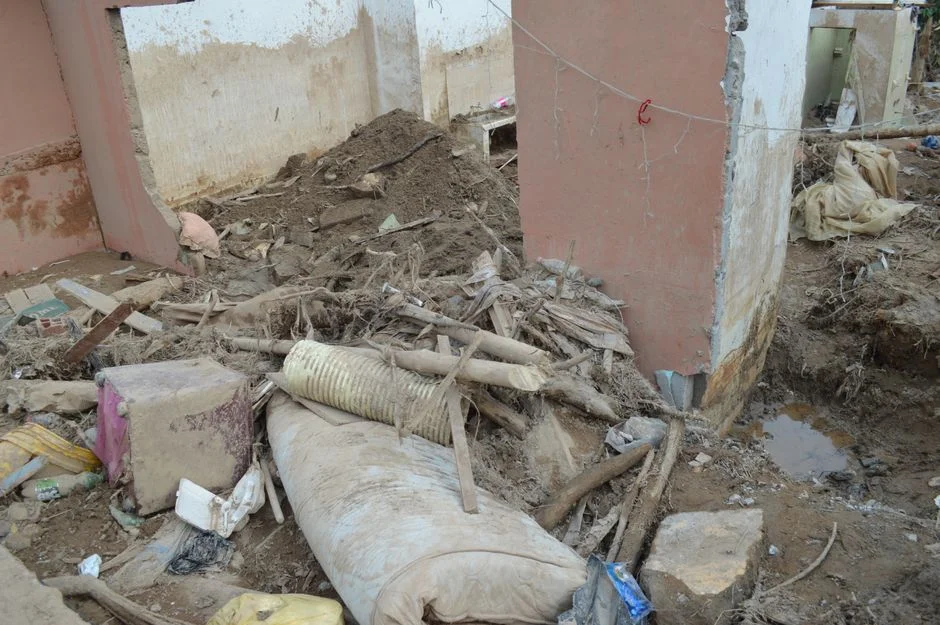
The pattern that emerges is troubling for policymakers. Communities that have lost crops, equipment, and homes to flooding show dramatically lower willingness to pay taxes. This is not merely an economic calculation. It reflects a deeper question about whether citizens believe their government will protect them when disaster strikes. If the social contract fails during crises, why should people fulfil their financial obligations during calmer times?
Who Bears the Burden
The research identified a stark disparity in how climate impacts affect different groups. Smallholder farmers and informal traders bear the heaviest burden when floods strike. These groups often operate outside formal tax systems already. When disaster compounds their precarious existence, they have little capacity to contribute more to state coffers. The Conversation Africa report documented cases where entire market communities lost inventory worth thousands of dollars to floodwaters in a single season.
Local authorities face an impossible situation. They need revenue to maintain drainage systems and emergency response capabilities. Yet the communities most affected by flooding are precisely those least able to pay more. This creates a vicious cycle where underfunded municipalities cannot prevent the floods that destroy their tax base. The report noted that local governments in affected regions have seen compliance rates drop by as much as 40 percent following major disasters.
Urban Versus Rural Pressure
The research distinguished between urban and rural dynamics. In cities, flooding often displaces renters who lose belongings but may not directly own property subject to taxation. In rural areas, farmers who lose harvests face immediate tax payment difficulties. The Conversation Africa study found that rural tax compliance dropped faster and recovered more slowly than urban compliance after climate shocks.
Urban informal sector workers face different pressures. Market traders and street vendors who lose inventory during floods have no recourse to insurance or government compensation in most cases. Their entire working capital disappears in hours. Asking these individuals to maintain tax payments while rebuilding from nothing strains the limits of reasonable expectation.
The Government Protection Gap
Central to the research findings is the question of government response. Citizens who receive effective assistance during climate disasters show greater willingness to pay taxes subsequently. Those who feel abandoned by authorities become less compliant, creating a feedback loop that weakens state capacity precisely when it is most needed. The study documented this pattern across multiple countries in the Saharan region.
The protection gap manifests in concrete ways. Emergency response times, compensation programmes, and infrastructure investment all signal to citizens whether their government considers them worth protecting. When these signals are negative or absent, the implicit message is that the social contract does not run both ways. Tax compliance becomes optional in the minds of affected citizens.
Implications for Revenue Collection
For African governments seeking to expand their tax bases, the climate-tax nexus presents a serious challenge. International financial institutions have pushed many countries to broaden consumption and property taxes. These efforts assume a baseline willingness to comply that climate shocks erode. The research suggests that revenue targets set without accounting for climate vulnerability are likely to fail.
Revenue authorities face pressure to maintain collection rates while acknowledging that disaster-affected communities cannot simply pay what they previously contributed. This creates tension between short-term revenue needs and long-term legitimacy. Forcing payment from people who have nothing destroys the relationship between state and citizen that taxation supposedly represents.
What Comes Next
The Conversation Africa research points toward several possible responses. Some countries are experimenting with disaster-linked tax deferrals that suspend obligations during declared emergencies. Others are tying local revenue shares directly to climate resilience investments. These approaches attempt to break the cycle by demonstrating that taxation serves community protection rather than extractive purposes.
International development partners are increasingly aware of the problem. Climate finance mechanisms that flow through national tax systems face the same compliance challenges as domestic revenue. If aid and loans do not account for how disasters undermine payment capacity, they risk worsening the very fiscal instability they aim to address.
Watch for further developments in how African governments balance revenue needs against climate realities. The next rainy season will test whether new approaches to tax and disaster policy can hold. Communities across the region will be watching to see if their governments invest in protection or simply demand payment.
See Also
- America Tests New Laser Tech — Prices Soar for Local Tech Firms
- South Africa Braces for Rain as Western Cape and Eastern Cape Face Wet Week
Emergency response times, compensation programmes, and infrastructure investment all signal to citizens whether their government considers them worth protecting. The research suggests that revenue targets set without accounting for climate vulnerability are likely to fail.Revenue authorities face pressure to maintain collection rates while acknowledging that disaster-affected communities cannot simply pay what they previously contributed.
What is the latest news about floods expose why africas most vulnerable cannot afford higher taxes?
Why does this matter for environment-nature?
What are the key facts about floods expose why africas most vulnerable cannot afford higher taxes?