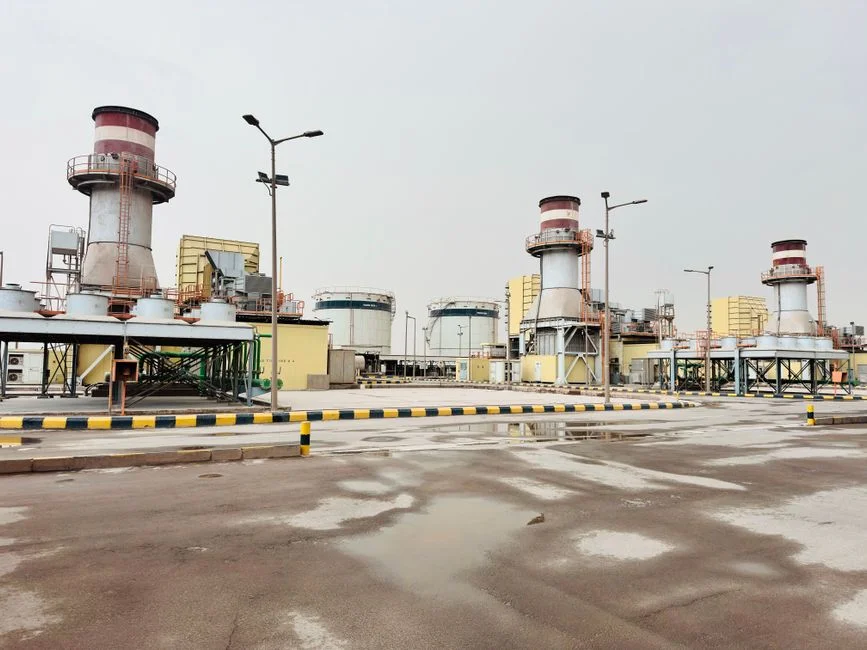
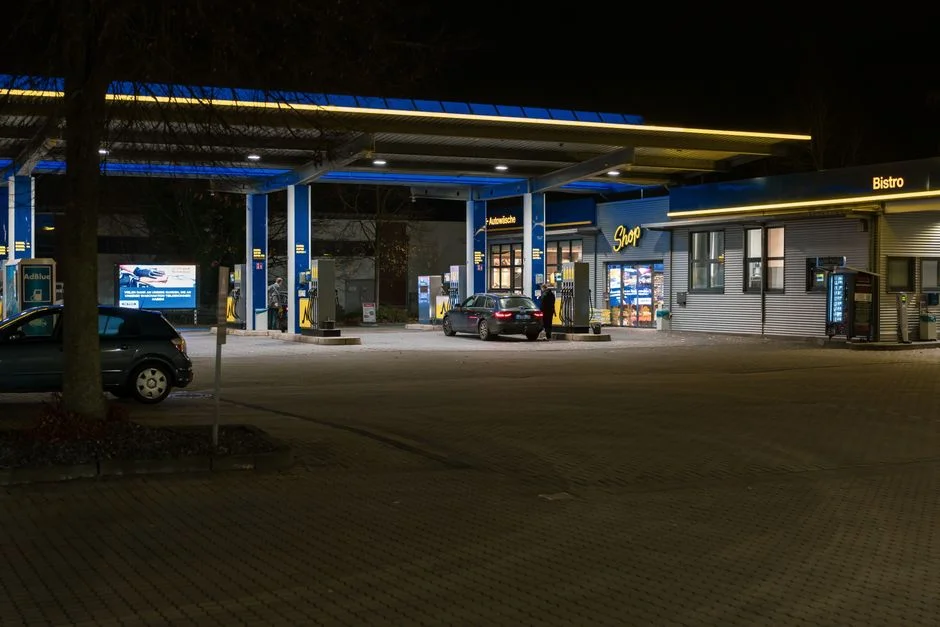
Oil markets worldwide have crashed to levels not seen since before the Ukraine conflict began, yet Nigerian motorists continue filling up at pumps charging more than N1,000 per litre. Dangote Refinery, Africa's largest oil processing facility, has moved to reduce its ex-depot prices, but the savings have not filtered down to ordinary consumers at fuel stations across the country.
Global Crude Collapses While Nigeria Pays More
International benchmark Brent crude fell sharply this week, retreating to approximately $73 per barrel. That puts oil back near the range it occupied in early 2022, before Russian forces moved into Ukrainian territory. The drop came as OPEC+ members signalled they would increase production, and as demand concerns mounted in major Asian economies.
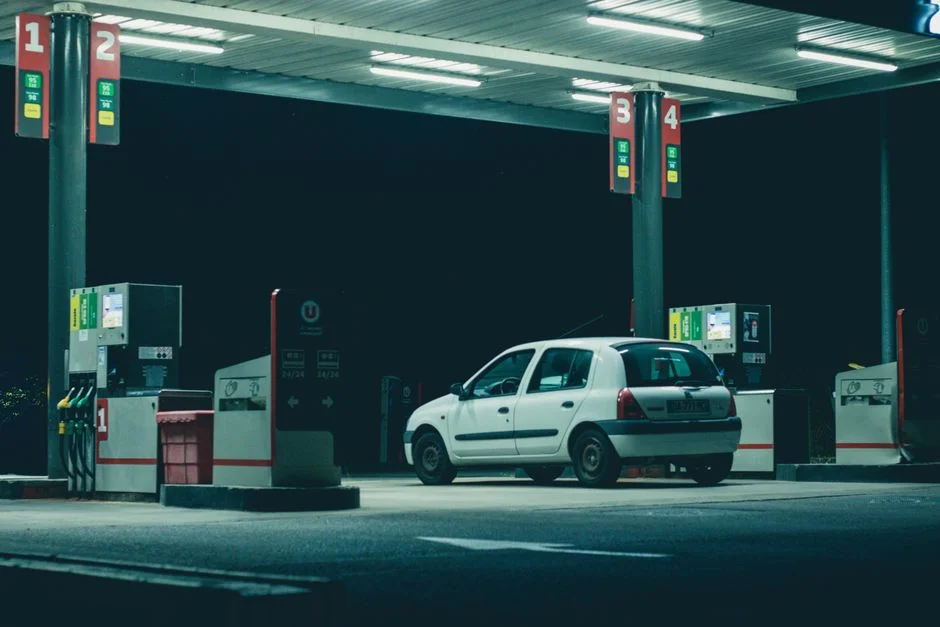
In Nigeria, the disconnect has been stark. Despite the global collapse, petrol at many filling stations in Lagos, Abuja, and Port Harcourt still retails above N1,000 per litre. The price has barely shifted in weeks, even as traders and industry observers watch crude markets tumble.
Dangote Refinery's Price Move
Dangote Petroleum Refinery announced a reduction in its ex-depot price for petrol, signalling that the cost of processing crude into fuel has come down. The refinery, which officially opened in Lagos earlier this year, has positioned itself as a potential game-changer for Nigeria's fuel pricing. Its management argued the price cut would ease pressure on importers and, eventually, on end consumers.
The company operates one of the world's largest single-train refineries, capable of processing 650,000 barrels per day. Its entry into Nigeria's downstream sector was meant to break the stranglehold of fuel imports and reduce the country's dependence on foreign refined products.
Why Pump Prices Remain Sticky
Industry analysts point to several factors keeping prices elevated. The naira has struggled against the dollar on official and parallel markets, meaning the cost of importing refined products in local currency terms remains high even when crude itself is cheap. Additionally, marketers and fuel station owners argue that distribution costs, regulatory fees, and profit margins all contribute to the final pump price.
The government has not moved to compel price reductions at the retail level. Nigeria's fuel market was partially deregulated, leaving pricing largely in the hands of private traders. Authorities have tools to intervene, but officials have so far resisted direct price controls, arguing they would distort the market and worsen shortages.
Citizens Bear the Brunt
For commuters in Nigeria's major cities, the persistent price gap is a daily financial burden. Transport costs make up a significant portion of household spending in a country where public transit options remain limited. Okada riders in Lagos and bus drivers in Kano report that fuel expenses are their single biggest cost item, often eating into what little margin they earn.
Small business owners who rely on generators have also felt the sting. Petrol-powered generators are widespread in areas where grid electricity is unreliable, which covers most of the country. When fuel costs stay high, operating expenses rise for shops, workshops, and food vendors across residential neighbourhoods.
What Comes Next
Market watchers say the next two weeks will be critical. Dangote Refinery is expected to increase output as its facilities reach full operational capacity. If international crude prices hold near current levels, industry insiders say pressure will mount on fuel marketers to pass savings to consumers.
The government's petroleum pricing regulator has scheduled a review meeting for mid-December. Activist groups and labour unions have already called for the agency to use the occasion to force a price reduction. Whether officials bow to public pressure or maintain their hands-off approach will determine whether Nigerian drivers finally see relief at the pump.
See Also
- Trump Forces Equatorial Guinea to Accept Migrants Amid Hotel Controversy
- Abuja Residents Decry Unhygienic Transportation of meat