Kapito, a professor at the Lagos Business School, has named the APMT Apapa terminal as a central force behind Nigeria's export trade during an Export Management Workshop held in Lagos.
The Role of Apapa in Nigeria's Trade Architecture
Apapa port handles a substantial share of Nigeria's maritime cargo, serving as the primary gateway for goods moving in and out of the country. The terminal's position along Lagos State's coastline makes it a critical node in West Africa's logistics network. Kapito told workshop attendees that without the infrastructure and operational capacity at Apapa, Nigeria's export sector would face severe bottlenecks.
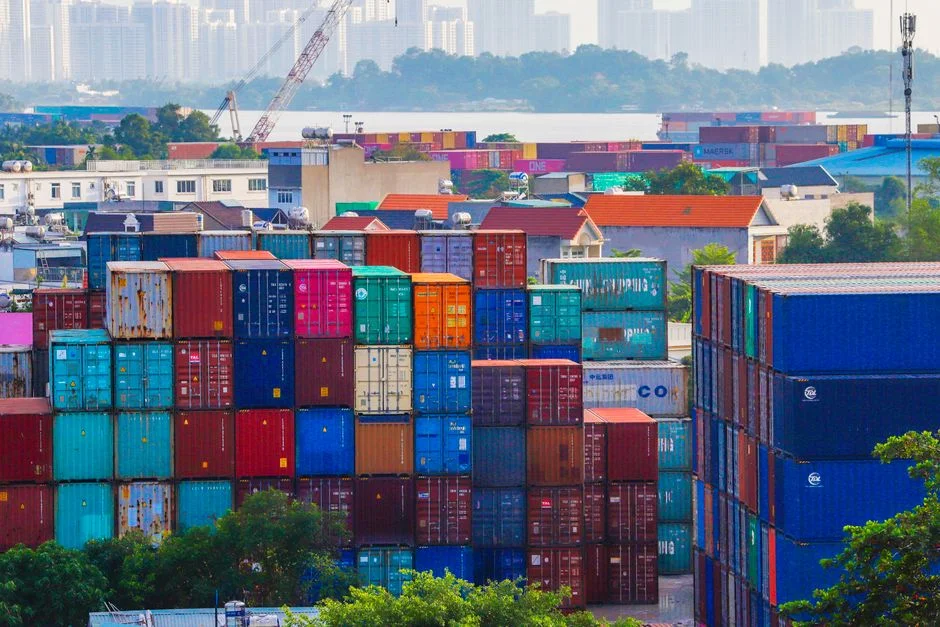
The Lagos Business School has increasingly focused on supply chain resilience in its curriculum, reflecting growing concern about trade facilitation across Nigeria's ports. Kapito's remarks at the workshop highlighted how port efficiency directly influences farmers, manufacturers, and small businesses that depend on reliable cargo movement.
Export Challenges Facing Nigerian Traders
Nigerian exporters have long struggled with delays, high handling costs, and congestion at major ports. These issues cut into profit margins and reduce the competitiveness of Nigerian goods in international markets. Apapa, as one of the nation's busiest terminals, sits at the centre of these ongoing difficulties.
The terminal's operator, APM Terminals, has invested in equipment upgrades and digital systems in recent years. Yet cargo clearance times remain a frustration for traders who move agricultural products, textiles, and manufactured goods through the port. Kapito's comments underscored the gap between what the port could achieve and the daily realities faced by exporters.
What the Workshop Aimed to Address
The Export Management Workshop brought together academics, logistics professionals, and trade practitioners to discuss ways to strengthen Nigeria's position in global markets. Lagos provided a fitting backdrop for the discussions, given its concentration of commercial activity and its dependence on maritime infrastructure.
Participants examined case studies from other African nations that have streamlined port operations to boost exports. The conversations built on existing research from the Lagos Business School, which has published analyses on trade policy and logistics efficiency in Nigeria.
Connecting Port Policy to Community Impact
Trade specialists at the workshop argued that improvements at Apapa would ripple outward into Nigerian communities. Faster cargo processing means lower storage costs for exporters. That translates into better prices for producers who supply goods to international buyers. The link between port performance and everyday livelihoods featured prominently in the dialogue.
The government has announced plans to modernise port infrastructure along Nigeria's coastline, though timelines and funding details remain unclear. Workshop attendees called for clearer commitments from authorities to reduce bottlenecks that hinder export growth.
Apapa's Position in West Africa's Maritime Network
Beyond serving Nigeria, Apapa connects to shipping routes across West Africa, handling transit cargo destined for neighbouring countries. This regional role adds weight to arguments for upgrading the terminal's capacity. Kapito noted that Nigeria's ability to position itself as a trade hub depends significantly on how efficiently ports like Apapa operate.
The Lagos Business School plans to publish policy recommendations from the workshop in the coming months. Those recommendations will address port management, customs procedures, and infrastructure investment as interconnected elements of Nigeria's export strategy.
Exporters and logistics firms should monitor upcoming government announcements on port modernisation funding. The next quarterly trade report from the National Bureau of Statistics will offer fresh data on whether cargo volumes through Apapa are growing or stagnant.
See Also
- Trump Ousts Kristi Noem as DHS Secretary, Appoints Senator Markwayne Mullin: What It Means for Africa
- Indian YouTuber Nancy Grewal Stabbed to Death in Ontario: What We Know So Far