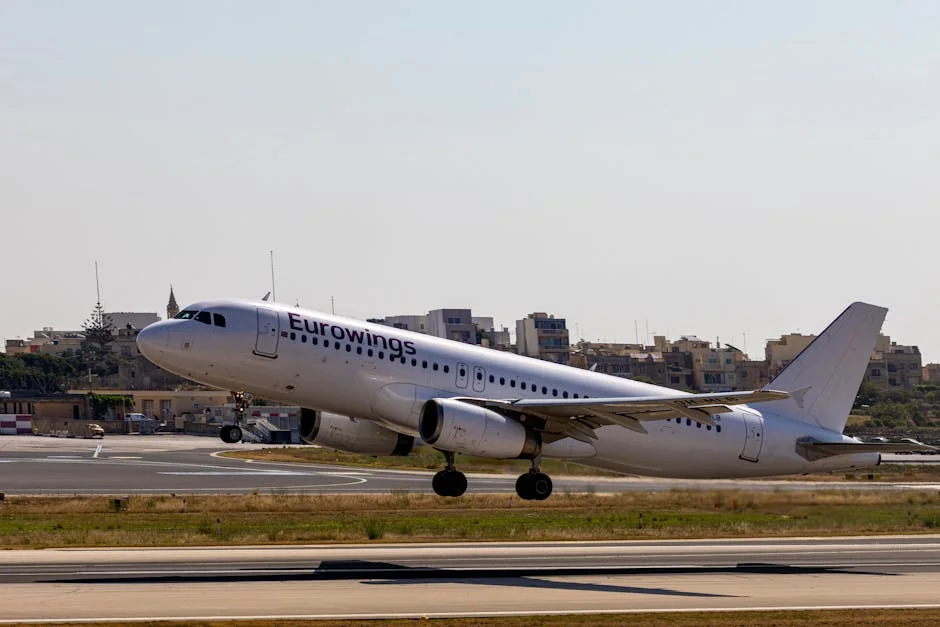
Aer Lingus has announced the cancellation of 15% of its summer flight schedule, leaving thousands of passengers in the UK and Ireland scrambling to adjust their travel plans. The airline, which operates a key route between Dublin and London, cited rising fuel costs and staffing shortages as the primary reasons for the cuts. The decision comes as the airline faces pressure to balance its finances amid a broader industry crisis.
Aer Lingus Cuts Flights Amid Rising Costs
The airline confirmed the cancellations on Monday, affecting 350 flights across its network. The cuts are concentrated on routes between Dublin and major UK cities, including Manchester, Birmingham, and Glasgow. The decision has sparked frustration among passengers, many of whom were already planning summer holidays. A spokesperson for Aer Lingus stated, “We are working closely with our partners to manage the impact on our customers.”
The airline’s parent company, IAG, has reported a 20% increase in fuel costs over the past year, a major factor in the decision. In a recent report, IAG’s chief financial officer noted that “the aviation sector is still recovering from the pandemic, and we are navigating unprecedented economic challenges.” The financial strain has also led to reduced staffing, with Aer Lingus citing a shortage of pilots and cabin crew as a contributing factor.
Impact on Travelers and Local Communities
For residents of the UK and Ireland, the flight cuts have disrupted travel plans, particularly for those relying on Aer Lingus for business and leisure trips. In Manchester, where the airline operates 25 weekly flights to Dublin, local businesses have expressed concern. “Many of our customers are now booking flights with other airlines, which is affecting our sales,” said Sarah Mitchell, owner of a travel agency in the city.
The cancellations have also hit students and families planning to visit relatives across the Irish Sea. Mary O’Connor, a mother of two from Dublin, said, “We had planned a trip to see my sister in Liverpool. Now we’re stuck trying to find alternative options.” With no immediate replacement flights available, many are turning to rival airlines, which are already operating at near full capacity.
Regional Economic Effects
The disruption has broader economic implications for towns and cities reliant on tourism and business travel. In Belfast, where Aer Lingus operates several flights to London and Edinburgh, local hotels and restaurants are reporting a drop in bookings. “We’ve had to cancel several reservations due to the uncertainty,” said Paul Brennan, a hotel manager in the city.
The airline’s decision has also raised questions about the long-term stability of regional air travel. In a statement, the UK Department for Transport acknowledged the challenges facing the sector but urged airlines to “maintain service levels to avoid further disruption.” The Irish government has also called for more support for the aviation industry, which is a key employer in the region.
Passenger Reactions and Alternatives
Passengers have taken to social media to express their frustration, with many calling for greater transparency from the airline. “It’s not enough to say you’re working with partners—what’s the plan for those of us who are affected?” asked one user on Twitter. Others have turned to alternative routes, such as train services or budget airlines, though these options are often more expensive or less convenient.
Some travelers are considering rescheduling their trips, while others are seeking refunds or rebookings. Aer Lingus has launched a dedicated customer support line, but with a backlog of inquiries, many are finding it difficult to get timely assistance. “I’ve been on hold for over an hour,” said Liam Farrell, a frequent traveler from Cork.
What Comes Next for Aer Lingus?
Aer Lingus has not yet provided a timeline for when the flight schedule will be restored, but the airline has pledged to review its operations in the coming weeks. The International Air Transport Association (IATA) has warned that the sector remains vulnerable, with fuel prices and labor costs expected to remain high for the foreseeable future.
For now, travelers are advised to check their bookings regularly and consider alternative travel options. With the peak summer season approaching, the airline’s decision is likely to have a lasting impact on both passengers and the communities that depend on its services.
As the situation develops, passengers and local businesses will be watching closely for any updates from Aer Lingus. The airline’s next steps could determine whether the disruptions are temporary or a sign of a larger shift in the region’s air travel landscape.
See Also
- Afonso Assis Renews Contract with Moreirense Until 2030: What It Means for African Football
- Detroit Pistons vs Orlando Magic Tickets: Fans Demand Transparency
In a statement, the UK Department for Transport acknowledged the challenges facing the sector but urged airlines to “maintain service levels to avoid further disruption.” The Irish government has also called for more support for the aviation industry, which is a key employer in the region. With the peak summer season approaching, the airline’s decision is likely to have a lasting impact on both passengers and the communities that depend on its services.