Babajide Sanwo-Olu, the governor of Lagos State, ordered an emergency evacuation of accumulated waste across the city on Thursday, days after Premium Times published an investigation documenting the scale of the refuse crisis affecting residents. The Lagos Waste Management Authority received immediate instructions to deploy additional equipment and personnel to clear mounting piles of garbage that had sparked public complaints in several neighbourhoods.
Premium Times Investigation Sparks Government Response
The emergency order came after Premium Times reported that refuse had accumulated across major roads and residential areas for weeks, creating health hazards for millions of Lagosians. The publication documented conditions in Ojuelegba, Surulere, and other districts where uncollected waste had formed visible mountains alongside drainage channels. Officials confirmed the governor reviewed the report before publicly directing the waste management authority to act within 72 hours.
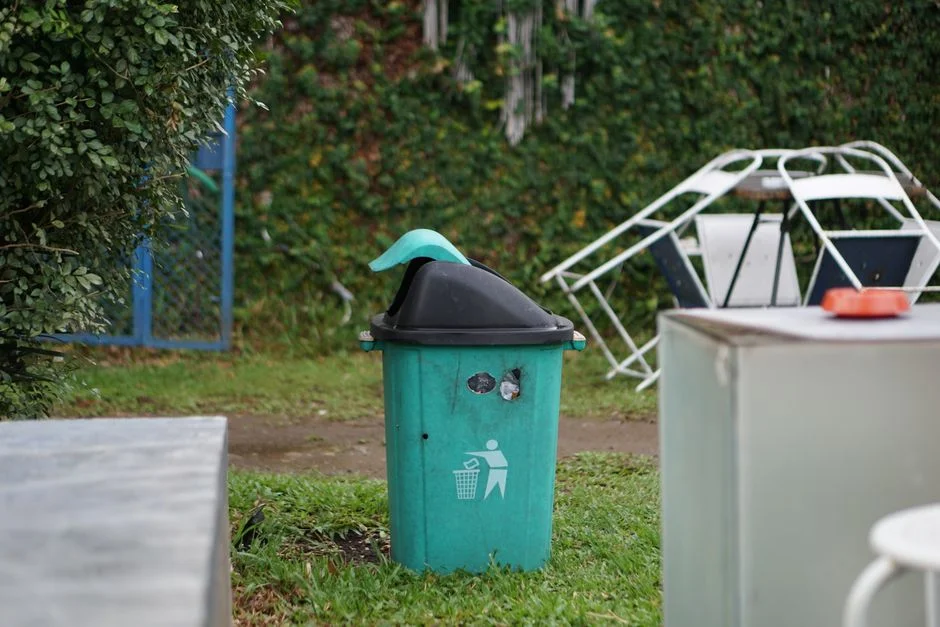
The timing of Sanwo-Olu's response drew attention from political observers in Nigeria's commercial capital. Premium Times has published multiple investigations into environmental conditions in Lagos this year, each generating significant reader engagement and public discussion on social media platforms. The publication's Thursday report included photographs of refuse blocking waterways in areas prone to flooding during the rainy season.
Waste Accumulation Reaches Critical Levels
Residents in affected areas had reported the situation to local authorities for several weeks before the story gained national attention. Community leaders in Surulere said they submitted formal complaints to the Lagos Waste Management Authority on multiple occasions without receiving adequate responses. The gap between public complaints and official action became a central element of the narrative Premium Times presented to readers.
The waste management authority acknowledged that equipment breakdowns and fuel shortages had slowed collection operations in recent weeks. Senior officials at the agency, speaking on condition of anonymity because they were not authorised to discuss operational details publicly, confirmed that at least 15 collection vehicles had been unavailable for service due to mechanical failures. The authority normally serves more than 20 million residents across Lagos State's 20 local government areas.
Health Concerns Drive Public Outcry
Medical professionals in Lagos expressed concern about potential disease outbreaks if the waste remained uncleared as rainy season intensifies. Dr Chinwe Nwachukwu, a public health physician practising in Surulere, told local media that accumulated refuse creates breeding conditions for mosquitoes that spread malaria and dengue fever. She noted that blocked drainage channels compound the problem by preventing proper water flow through affected neighbourhoods.
The Lagos State Ministry of Health had not issued a public statement about the waste crisis as of Thursday evening. However, officials at the Ministry of Environment indicated they were coordinating with the waste management authority to ensure resources reached the most severely affected communities first. The ministry's communications team stated that priority would be given to areas near hospitals, schools, and markets.
Operational Challenges Behind the Crisis
The waste management authority faces structural challenges that extend beyond the current emergency. Industry analysts point to aging equipment, inadequate funding, and the sheer scale of waste generation in a city that produces over 10,000 tonnes of solid waste daily. The agency's capacity to collect and process this volume has long struggled to keep pace with population growth and urban expansion.
Private sector participation in Lagos waste management has expanded in recent years, with several companies operating under concession agreements with the state government. However, critics argue that coordination between public and private operators remains poor, leading to gaps in service delivery. The current crisis appears to have affected both public and private collection routes, suggesting systemic rather than isolated failures.
Political Dimensions of the Response
Sanwo-Olu's quick response to the Premium Times report carries political significance in Nigeria's largest city. The governor faces re-election in 2027 and has positioned environmental management as a key pillar of his administration's legacy. His predecessor, Akinwunmi Ambode, lost significant public support partly due to perceived failures in waste management during his second term in office.
Opposition politicians in Lagos have begun using the crisis to question the administration's competence. The Labour Party's state leadership issued a statement calling for a broader review of waste management contracts and funding allocations. State government officials have defended their record, pointing to infrastructure investments and reforms implemented since 2019.
What Happens Next
The emergency evacuation order requires the Lagos Waste Management Authority to clear major intersections and drainage channels before the end of the weekend. Officials indicated that additional trucks would be borrowed from private operators to accelerate the operation. The Ministry of Environment said it would publish daily progress reports on its website starting from Friday.
Residents in affected areas should expect collection teams to visit their neighbourhoods within the next five days, according to the timeline outlined in Sanwo-Olu's order. The government has established a complaint hotline for communities that do not see improvements by Monday. Environmental advocates say they will monitor the situation closely to determine whether the emergency response represents a genuine turnaround or merely a temporary fix before the problem resurfaces.
See Also
- Declan Rice Steps Up as Premier League Giants Face Rodri’s Absence
- Bua Group Warns: Energy Costs Will Spike Nigerian Cement Prices
The current crisis appears to have affected both public and private collection routes, suggesting systemic rather than isolated failures.Political Dimensions of the ResponseSanwo-Olu's quick response to the Premium Times report carries political significance in Nigeria's largest city. State government officials have defended their record, pointing to infrastructure investments and reforms implemented since 2019.What Happens NextThe emergency evacuation order requires the Lagos Waste Management Authority to clear major intersections and drainage channels before the end of the weekend.
What is the latest news about sanwoolu orders emergency waste evacuation after premium times exposes lagos crisis?
Why does this matter for agriculture-food?
What are the key facts about sanwoolu orders emergency waste evacuation after premium times exposes lagos crisis?