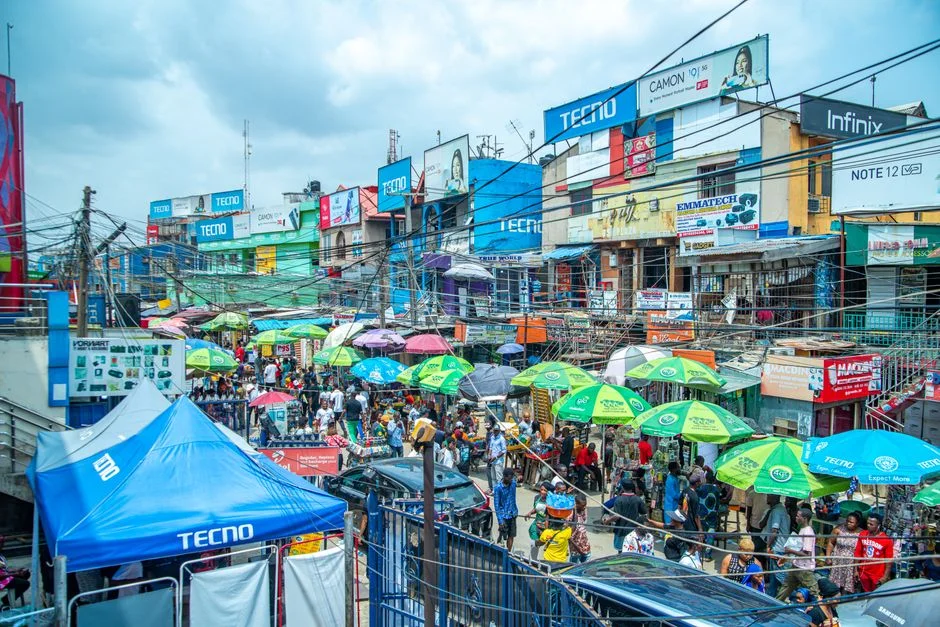
Lagos State Governor Babajide Sanwo-Olu has officially declared a Small State of Emergency to address the escalating waste management crisis engulfing the commercial capital. This decisive administrative move signals that routine collection methods have failed to contain the mounting refuse, requiring immediate and extraordinary measures from the state government. The declaration authorizes the mobilization of additional resources, including the deployment of 160 new compactor trucks, to restore order in one of Africa’s most densely populated urban centers.
Immediate Facts and the Emergency Response Mechanism
The declaration was issued following weeks of visible deterioration in waste disposal across key Lagos zones, where refuse had begun to pile up in residential streets and commercial districts. By invoking the Small State of Emergency provisions, the governor has effectively bypassed standard bureaucratic delays, allowing for the rapid procurement and deployment of heavy machinery. The immediate focus is on clearing blocked drainage systems and removing accumulated trash from high-traffic areas to prevent further health hazards and flooding during the rainy season.

At the heart of this emergency response is the introduction of 160 new compactor trucks into the Lagos State Waste Management Authority (LAWMA) fleet. These vehicles represent a significant capital injection designed to replace aging equipment and increase the daily volume of waste collected. The compactor trucks are more efficient than the traditional tipper trucks previously used, allowing for denser packing and fewer trips to disposal sites. This shift in technology aims to reduce traffic congestion caused by waste collection vehicles and improve the speed of collection cycles.
The emergency powers grant the state government the authority to enforce stricter compliance from waste generators, including households, businesses, and institutions. Local government areas within Lagos have been directed to coordinate closely with LAWMA to ensure that the new trucks are deployed where the waste burden is heaviest. This localized deployment strategy is crucial because Lagos is not a monolith; waste patterns vary significantly between the mainland and the island, as well as between high-density urban centers like Ikeja and more sprawling areas like Alimosho.
Residents in affected neighborhoods should expect increased activity from waste collection teams over the next few weeks. The emergency declaration also implies a temporary relaxation of certain procurement rules to accelerate the arrival of the new trucks. This means that the state government can prioritize speed over lengthy tender processes, ensuring that the machinery is on the ground as quickly as possible. The immediate goal is to break the cycle of accumulation that has defined the past few months of waste management in the state.
The financial implications of this emergency are substantial. While the exact cost of the 160 trucks is not yet fully detailed in public records, the procurement alone represents a multi-billion naira expenditure. However, the state government argues that the cost of inaction is higher, citing potential increases in disease outbreaks and the economic cost of blocked drains and flooded roads. The emergency declaration serves as a legal and financial shield, allowing the government to justify these sudden expenditures to the public and the state assembly.
Tactical Deployment of New Machinery
The 160 new compactor trucks will be distributed based on a needs assessment conducted by LAWMA officials. Areas with the highest population density and the most visible waste accumulation will receive priority. This targeted approach ensures that the limited resource of new machinery is used where it can have the most immediate visual and sanitary impact. It also allows for a rapid demonstration of the government’s effectiveness to a skeptical public.
Background, Competing Views, and the Political Stakes
Lagos has long struggled with waste management, a challenge that has intensified in recent years due to rapid urbanization and population growth. The state’s population has surged past 20 million, straining existing infrastructure and services. Previous administrations had launched various waste management initiatives, but critics argue that these efforts were often fragmented or lacked the sustained funding required for long-term success. The current crisis is not an isolated incident but the culmination of years of underinvestment and mismanagement in the sector.
Political opponents have seized on the declaration as evidence of systemic failure. They argue that a Small State of Emergency is a reactive measure, indicating that the government was caught off guard by the scale of the waste buildup. Critics point out that waste management should be a routine, predictable service, not an emergency requiring extraordinary powers. They question whether the new trucks will solve the underlying issues of waste disposal sites, recycling infrastructure, and public participation in waste segregation.
Supporters of Governor Sanwo-Olu, however, frame the declaration as a necessary and bold step to restore order. They argue that the previous methods were insufficient to handle the volume of waste generated by a modern metropolis. The introduction of compactor trucks is seen as a modernization effort, aligning Lagos with global best practices in waste management. Proponents also highlight that the emergency declaration allows for quicker decision-making, which is essential in a crisis where delays can lead to public health emergencies.
The role of Local Government Areas (LGAs) in this emergency is critical. Lagos comprises 20 LGAs, each with its own waste management challenges and capacities. The state government’s declaration overrides some local autonomy, centralizing the response under LAWMA. This centralization has raised questions about the role of local councils and whether they will retain their traditional functions or become subordinate to the state emergency command. The balance of power between the state and local governments is a key political dynamic in this crisis.
Public reaction has been mixed. While many residents welcome the promise of cleaner streets, there is skepticism about the longevity of the solution. Past emergency declarations have sometimes been followed by a return to status quo once the immediate pressure subsides. The success of this intervention will depend on whether the new trucks are maintained properly and whether the underlying waste disposal infrastructure is upgraded to match the increased collection capacity. Without these complementary measures, the new trucks may simply collect more waste only to leave it in the same overflowing disposal sites.
Long-term Structural Challenges
Waste management in Lagos is not just about collection; it is about disposal and recycling. The state currently relies heavily on open dumpsites, which are reaching capacity and posing environmental risks. The emergency declaration focuses on collection, but the disposal challenge remains unresolved. Without new disposal sites or recycling facilities, the new trucks may merely accelerate the rate at which existing dumpsites fill up. This disconnect between collection and disposal is a key structural issue that must be addressed for the emergency measures to be truly effective.
Another critical aspect is the financial model of waste management. Who pays for this service? Currently, waste fees are collected from households and businesses, but compliance is often low. The emergency declaration may allow the government to enforce stricter fee collection or impose penalties for non-compliance. This could lead to increased costs for residents and businesses, adding to the financial burden of living in Lagos. The political sensitivity of raising fees or enforcing penalties during an emergency is a factor that the government must navigate carefully.
Broader Implications for Lagos Households and Economy
The waste crisis has direct implications for the daily lives of Lagos residents. Poor waste management leads to blocked drains, which exacerbate flooding during the rainy season. Floods disrupt transportation, damage property, and increase the risk of waterborne diseases such as cholera and typhoid. By declaring an emergency, the government is acknowledging that waste is not just an aesthetic issue but a public health and economic one. The health costs associated with waste-related diseases can be significant, particularly for low-income households.
Transportation in Lagos is already plagued by congestion, and waste collection vehicles contribute to this problem. The new compactor trucks are designed to be more efficient, reducing the number of trips required to clear the same amount of waste. This could potentially reduce traffic congestion in the areas where they operate. However, if the trucks are not routed efficiently, they could add to the traffic burden. The success of the emergency response will depend on the logistical planning behind the deployment of these vehicles.
The business community in Lagos is also affected by the waste crisis. Dirty streets and foul odors can deter customers and reduce the value of commercial properties. Businesses in high-traffic areas like Ikeja and Victoria Island have reported that waste accumulation affects their image and customer experience. The emergency declaration is seen by some business leaders as a necessary intervention to restore the commercial appeal of Lagos. However, if the emergency measures lead to increased fees or disruptions in service, businesses may face additional costs.
The environmental impact of the waste crisis is also significant. Improperly managed waste contributes to pollution of water bodies and soil. The burning of waste, which is common in some parts of Lagos, releases harmful pollutants into the air. The emergency declaration may include measures to address these environmental issues, such as better management of disposal sites and promotion of recycling. However, these measures require long-term investment and public education, which may not be fully realized in the short term.
The political implications of the waste crisis extend beyond the immediate health and economic impacts. Public satisfaction with the government is closely tied to the quality of basic services. If the emergency declaration succeeds in cleaning up Lagos, it could boost Governor Sanwo-Olu’s popularity ahead of future elections. Conversely, if the measures fail to produce visible results, it could erode public trust and provide ammunition for political opponents. The waste crisis has become a litmus test for the government’s ability to deliver on its promises of good governance.
- 160 new compactor trucks deployed to replace aging LAWMA fleet and increase daily collection volume.
- Small State of Emergency declared to bypass bureaucratic delays and accelerate procurement and deployment.
- Lagos State Waste Management Authority (LAWMA) centralizes waste collection operations across all 20 LGAs.
- Focus on clearing blocked drainage systems to prevent flooding and reduce waterborne disease risks.
The economic ripple effects of the waste crisis are also worth noting. The cost of cleaning up the waste is borne by the state, which must allocate funds from its budget. This could mean reduced spending in other areas such as education, health, or infrastructure. The trade-off between immediate waste management and long-term development is a key political question. Voters will judge the government not just on the cleanliness of the streets but on the overall quality of life in Lagos.
International comparisons highlight the challenges faced by Lagos. Cities like Singapore and Tokyo have achieved high levels of waste management through a combination of technology, strict enforcement, and public participation. Lagos is attempting to emulate these models, but the scale and complexity of its urban environment are unique. The success of the emergency declaration will depend on whether the government can sustain these efforts beyond the immediate crisis period. Sustainable waste management requires a holistic approach that includes education, infrastructure, and financial incentives.
The role of technology in waste management is also evolving. Smart bins, GPS tracking of trucks, and data-driven route optimization are becoming standard in modern cities. The new compactor trucks may be equipped with such technologies, improving efficiency and accountability. If LAWMA can leverage data to optimize collection routes and reduce costs, it could set a precedent for other African cities. The emergency declaration is an opportunity to test these new technologies on a large scale.
Public participation remains a key challenge. Residents must play their part in waste segregation and disposal. If households and businesses do not comply with waste management rules, the efforts of the government will be undermined. The emergency declaration may include public awareness campaigns to educate residents on the importance of proper waste disposal. The success of these campaigns will depend on their reach and effectiveness, particularly in low-income areas where education levels may vary.
The political landscape of Lagos is also influenced by the waste crisis. The ruling All Progressives Congress (APC) must demonstrate its competence in managing the state’s affairs. The opposition Peoples Democratic Party (PDP) will likely use the waste crisis to criticize the government’s performance. The media will play a crucial role in shaping public opinion, with visuals of waste piles and cleanup efforts influencing voter sentiment. The waste crisis has become a central issue in Lagos politics, with implications for the 2027 elections.
In conclusion, the declaration of a Small State of Emergency by Governor Sanwo-Olu is a critical intervention in the Lagos waste crisis. It signals a shift from routine management to emergency response, with significant financial and political implications. The deployment of 160 new compactor trucks is a tangible step toward resolving the immediate problem, but long-term success will depend on addressing the underlying structural issues. The coming weeks will be crucial in determining whether this emergency measure will restore order and public confidence or simply delay the inevitable.
See Also
- Kenya Court Halts U.S. Ebola Quarantine Unit Plans — Citizens Raise Concerns
- Senate Exposes N90Billion 'Secret Deal' — Senator Kawu Fires Back
What is the latest news about sanwoolu declares small state emergency on lagos waste crisis?
Why does this matter for politics-governance?
What are the key facts about sanwoolu declares small state emergency on lagos waste crisis?