Medical specialists in South Africa are raising alarms about a gap between cutting-edge robotic prostate surgery and the patients who need it most. The technology exists and has proven effective for treating prostate conditions, but doctors say men are arriving at clinics with advanced-stage disease too late for even the most sophisticated robotic systems to help.
The Robotic Surgery Reality
Robotic-assisted prostate surgery has transformed treatment outcomes at hospitals with the necessary equipment and trained surgeons. The systems allow for precision that was impossible with traditional open surgery, reducing recovery times and minimising complications like incontinence and erectile dysfunction. Yet urologists in Johannesburg, Cape Town, and Durban report a troubling pattern: men are not taking advantage of early screening, which is when robotic intervention delivers the best results.
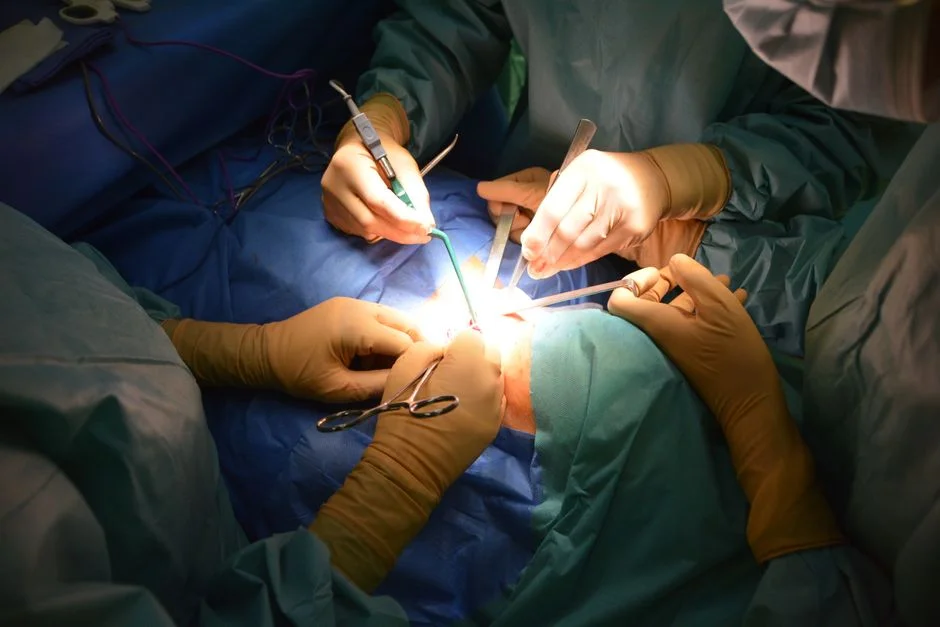
The South African Prostate Cancer Foundation reported that roughly 1 in 6 men in the country will be diagnosed with prostate cancer during their lifetime, making early detection a national health priority. When caught at stage one or two, robotic surgery success rates exceed 90 percent. At stage three or four, those same systems face limitations that no amount of technological refinement can overcome.
Why Men Delay Seeking Treatment
Health officials point to several factors keeping men away from screening appointments. Fear of diagnosis tops the list, followed by a cultural reluctance among many South African men to seek medical help until symptoms become unavoidable. The stigma around prostate and urinary health issues compounds the problem, with many men dismissing early warning signs as simply part of ageing.
Access to healthcare facilities equipped with robotic surgery systems remains concentrated in urban centres. Patients in rural areas of Limpopo, KwaZulu-Natal, and the Eastern Cape often travel hours to reach a hospital with the technology, creating another barrier to timely care.
Economic Barriers to Early Screening
The cost of initial prostate screening, including blood tests and consultations, can deter men from the public health system where queues are long and resources stretched. Private healthcare, where most robotic surgery options are available, puts early detection out of reach for many South Africans. Medical aid schemes cover treatment but vary widely in what they reimburse for screening procedures.
What the Technology Cannot Fix
Professor James Campbell, a urologist at Groote Schuur Hospital in Cape Town, explained the fundamental limitation in a recent interview with local media. "Robotic surgery is phenomenal when we catch these conditions early. The precision allows us to remove diseased tissue while preserving surrounding nerves and structures. But once a tumour has spread beyond the prostate capsule, or a man's urinary function has already deteriorated significantly, no robot can undo that damage."
The equipment itself represents a substantial investment. A single robotic surgery system costs hospitals in the region of several million rand, and training surgeons to use them requires years of specialised education. This means the technology will remain limited to major medical centres, making early detection and local primary care referrals even more critical to patient outcomes.
Lessons for Patients Across Southern Africa
For Nigerian readers, the South African situation offers a cautionary tale. Prostate issues affect men across the African continent, and access to advanced treatment like robotic surgery is even more limited in West Africa than in South Africa. The reality is that technology cannot substitute for individual health vigilance.
Men over the age of 50, or those with a family history of prostate problems, are advised to undergo regular screening regardless of symptoms. Symptoms that warrant immediate attention include difficulty urinating, blood in urine, pelvic discomfort, and unexplained lower back pain. These signs do not necessarily indicate cancer, but they demand medical evaluation.
Looking Ahead
South Africa's health department has announced plans to expand screening programmes in underserved provinces, with mobile screening units expected to launch in three regions by the end of next year. Medical training institutions are also increasing emphasis on prostate health in curriculum updates scheduled for the upcoming academic year.
What men decide in the coming months will determine whether the investment in robotic surgical technology translates into lives saved or wasted capability. Doctors say the window for changing outcomes through early detection remains open, but it will not stay that way indefinitely.
See Also
- US Slams Congo Over Ebola — Travel Chaos Hits Africa
- WHO Warns Ebola Spreads to Neighbors as Death Toll Surges
This means the technology will remain limited to major medical centres, making early detection and local primary care referrals even more critical to patient outcomes.Lessons for Patients Across Southern AfricaFor Nigerian readers, the South African situation offers a cautionary tale. But once a tumour has spread beyond the prostate capsule, or a man's urinary function has already deteriorated significantly, no robot can undo that damage."The equipment itself represents a substantial investment.