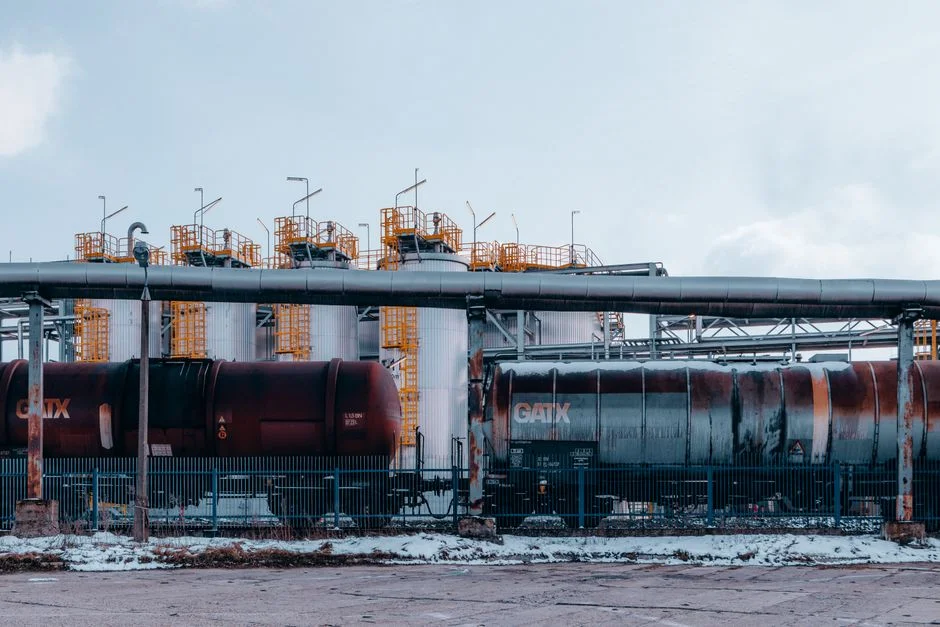
A Nigerian advocacy organisation has issued a stark warning that the country's oil revenues risk bypassing ordinary citizens unless the government prioritises infrastructure development. The Common Sense Group released its analysis on Tuesday, arguing that decades of underinvestment in roads, power grids, and water systems have created bottlenecks that prevent oil wealth from flowing into local economies.
Oil Revenue Surge Meets Infrastructure Gap
Nigeria ranks among the world's top crude oil producers, yet the benefits of this natural resource have remained concentrated in a narrow segment of the economy. The Common Sense Group pointed to a persistent gap between national oil output and improvements in living standards for most Nigerians. Without targeted spending on physical infrastructure, the organisation warned that increased oil production would fail to translate into jobs, electricity, or affordable goods for everyday people.

The findings build on longstanding frustrations in communities across the Niger Delta, where oil extraction occurs but local populations continue to face unemployment and environmental damage. Local leaders in the region have long argued that resource wealth should translate into tangible improvements in their daily lives.
Why Roads and Power Matter More Than Production Numbers
Economic analysts have long argued that infrastructure serves as the transmission mechanism between natural resource extraction and broad-based prosperity. When trucks cannot transport goods efficiently, businesses cannot grow. When factories lack reliable electricity, they cannot hire. When markets lack road access, farmers cannot sell their produce before it spoils.
The Common Sense Group emphasised these connections in its assessment. The organisation called on authorities to redirect a portion of oil revenues into highway maintenance, rural electrification projects, and port upgrades. Without these foundational investments, the group argued, Nigeria's oil boom would remain a statistic rather than a catalyst for development.
Transport costs in Nigeria remain among the highest in West Africa, partly due to poor road conditions and partly due to inadequate rail networks. This makes Nigerian goods less competitive in both domestic and export markets, limiting the ripple effects of oil sector growth.
The Human Cost of Neglected Infrastructure
For families in Lagos, Kano, and rural communities alike, the infrastructure deficit manifests in concrete ways. Hospitals lack stable power supply. Schools operate without running water. Small businesses close during grid failures. The Common Sense Group argued that these daily frustrations represent the invisible tax that poor infrastructure imposes on ordinary Nigerians.
Market traders in Lagos have described spending hours navigating congested roads that would take minutes in cities with better-maintained transport networks. Manufacturers in industrial zones report losing inventory to power surges and voltage fluctuations that better grid infrastructure would prevent.
What Nigeria Must Do Next
The Common Sense Group outlined several priorities for the government to consider. First, the group recommended establishing a dedicated infrastructure fund that would ring-fence a portion of oil revenues for capital projects rather than operating expenditure. Second, it called for transparent reporting on how oil money is spent, arguing that citizens deserve to know whether their natural resources are building schools or lining pockets.
Third, the organisation urged authorities to prioritise maintenance of existing infrastructure alongside new construction. Nigeria has built roads and bridges only to see them deteriorate within years due to inadequate upkeep. The group argued that prevention costs far less than reconstruction.
The government has previously announced ambitious infrastructure plans tied to oil sector reforms. Implementation, however, has lagged behind announcements, and critics argue that bureaucratic delays and corruption have repeatedly derailed promised projects.
Regional Comparisons and Lessons from Neighbours
Nigeria's infrastructure challenges are not unique in the region, but the scale of the country's oil sector makes the stakes particularly high. Ghana, which lacks comparable oil reserves, has nevertheless achieved better outcomes in road connectivity and electricity access through consistent annual investment and better maintenance regimes.
The Common Sense Group pointed to these comparisons as evidence that oil wealth is neither necessary nor sufficient for development. What matters, the organisation argued, is political commitment to spending resource revenues on the foundations that allow economies to grow.
Angola, another major African oil producer, has faced similar debates about whether resource wealth translates into broad prosperity. That country's experience with boom-and-bust cycles tied to oil prices offers a cautionary tale about overdependence on a single commodity without diversification or infrastructure backing.
Watch This Space
Nigerians should watch for upcoming budget presentations and oil sector reform proposals in the coming months. The Common Sense Group indicated it would release further analysis tracking whether government spending commitments match implementation on the ground. Citizens in affected communities will be looking for evidence that their leaders have absorbed the message about infrastructure as the bridge between oil wealth and everyday prosperity.
The next quarterly oil revenue report will provide concrete data on whether production increases are being matched by spending commitments. That report, expected within eight weeks, will offer one measure of whether Tuesday's warning has registered with policymakers.
See Also
- Shabnim Ismail Returns for T20 World Cup to Fire Up SA Fans
- Ondo Police Rescue Kidnapped Woman in Akure
The Common Sense Group indicated it would release further analysis tracking whether government spending commitments match implementation on the ground. Implementation, however, has lagged behind announcements, and critics argue that bureaucratic delays and corruption have repeatedly derailed promised projects.Regional Comparisons and Lessons from NeighboursNigeria's infrastructure challenges are not unique in the region, but the scale of the country's oil sector makes the stakes particularly high.
What is the latest news about common sense group warns nigeria oil windfall wont reach the poor without infrastructure?
Why does this matter for education?
What are the key facts about common sense group warns nigeria oil windfall wont reach the poor without infrastructure?