Hill-Lewis, the mayor of Cape Town, has announced plans to establish a dedicated metropolitan police unit for South Africa's legislative capital. The proposal marks a significant shift in how the city would handle public safety and law enforcement coordination. Officials say the new unit could begin operations within two years if approved by council.
The Proposal and Its Scope
The announced unit would function alongside the South African Police Service rather than replace it. Hill-Lewis described the initiative as a "grand" expansion of local policing powers during a city council briefing on Tuesday. The plan aims to give Cape Town faster response capabilities for by-law enforcement and neighbourhood safety initiatives. Details about staffing numbers and budget allocations remain under discussion.
Why Cape Town Is Considering Its Own Force
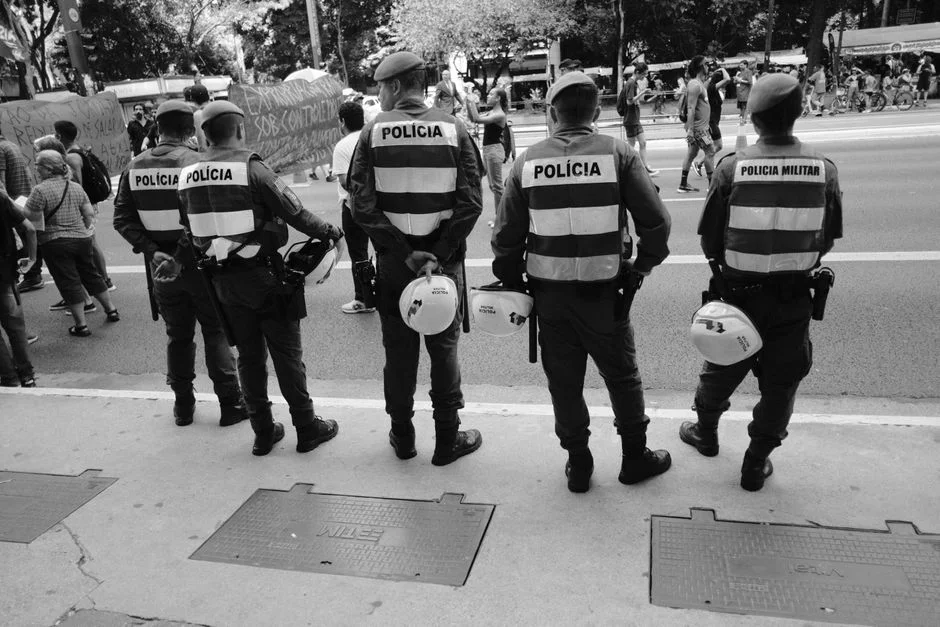
Cape Town has long relied on the South African Police Service for criminal law enforcement, but municipal authorities argue the arrangement creates gaps in handling everyday safety concerns. By-law violations, traffic enforcement, and community patrol work often fall between national police priorities and city responsibilities. Hill-Lewis contends that a dedicated city unit would bridge that divide and improve visible policing across residential neighbourhoods.
Addressing Community Safety Gaps
Residents in Cape Town's southern suburbs and northern areas have reported inconsistent police visibility in recent years. The proposal promises more regular foot patrols in high-traffic areas and faster response times for non-emergency calls. City officials estimate the unit could deploy up to 500 officers in its first phase, though that figure requires council ratification before becoming official.
Legal and Financial Hurdles
Creating a metropolitan police force requires changes to existing legislation governing municipal powers. South African law currently limits the scope of city-level policing, meaning Hill-Lewis would need provincial or national approval to proceed. Financial analysts have questioned whether Cape Town's budget can sustain a new law enforcement agency without cutting other services. The city's treasury is expected to release a cost assessment within the next several weeks.
Reactions from Stakeholders
The proposal has drawn mixed responses from community organisations and opposition politicians. Some neighbourhood watch groups have welcomed the idea, arguing that city-controlled officers would be more accountable to local residents. Others worry about duplication of effort and the cost of training a parallel force. The South African Police Service has not issued a formal statement on the proposal as of Wednesday.
International Precedents for City Police Forces
Cape Town would join a small number of South African municipalities with their own police units if the plan proceeds. Johannesburg and eThekwini operate specialised security initiatives, though neither maintains a fully autonomous police service. Hill-Lewis cited successful metropolitan models abroad during his presentation, though his office has not released details about which cities were referenced.
Timeline and Next Steps
The city council will debate the proposal in committee sessions scheduled for next month. Hill-Lewis has asked officials to prepare a detailed framework including command structures, training requirements, and integration plans with national police. Residents will have an opportunity to submit feedback through public consultation processes before any final vote takes place. If approved, the earliest the unit could become operational is late next year.
See Also
- France Bets on Kenya In Summit to Rewrite African Ties
- Nigeria, Malaysia Seal Halal Trade Deal — Prices Could Drop
Financial analysts have questioned whether Cape Town's budget can sustain a new law enforcement agency without cutting other services. The city's treasury is expected to release a cost assessment within the next several weeks.Reactions from StakeholdersThe proposal has drawn mixed responses from community organisations and opposition politicians.