When Izien Aigbodion first brought a dog into her Lagos home, she expected raised eyebrows. What she got instead was a neighbourhood transformation. Neighbours who once crossed the street to avoid her Alsatian now stop to ask the dog's name and ask to stroke her coat. "The whole dynamic has changed," Aigbodion told local media. "People here used to think dogs were only for guarding property. Now they want to know my dog as a member of the family."
Cultural Barriers Crumble in Nigeria's Commercial Hub
For decades, keeping dogs as companion animals sat uncomfortably with many Nigerian traditions. In certain communities, dogs carried associations with witchcraft or were viewed primarily as working animals — useful for security but unsuitable for the intimacy of family life. That stigma is fading fast in Lagos, the country's biggest city with more than 15 million residents. Pet shops have multiplied across Victoria Island, Ikeja, and Lekki, selling everything from premium kibble to designer collars.
The shift did not happen overnight. Social media influencers began posting pictures of well-groomed dogs years ago, normalizing the idea of canine companionship for younger Nigerians. Local vets report that appointments for routine checkups have doubled since 2019, suggesting that more households are seeking proper care for their animals rather than treating them as afterthoughts.
From Strays to Sofas: How the Street Dog Disappeared
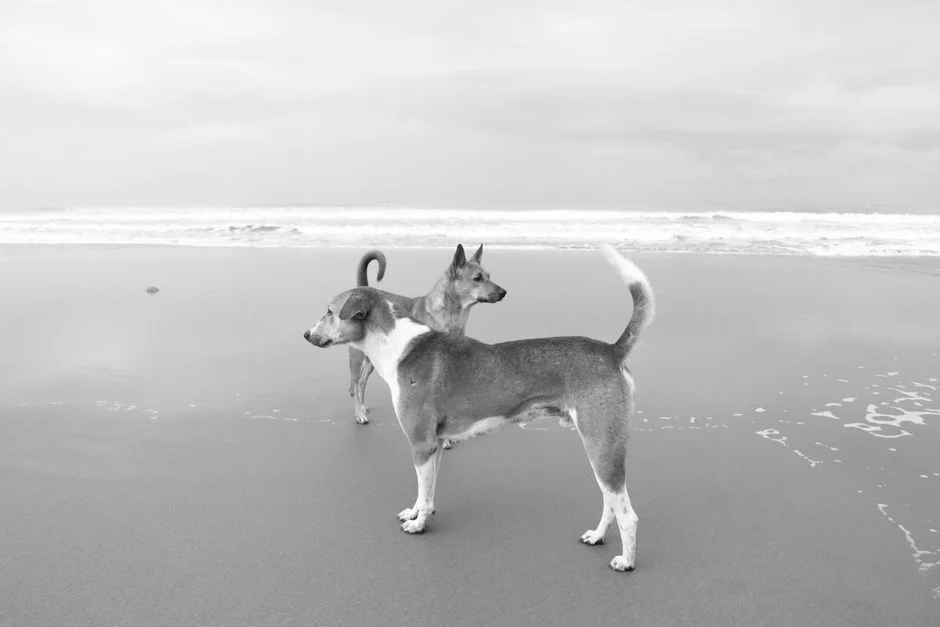
Perhaps the most visible sign of change is what is happening to Nigeria's street dogs. In many Lagos neighbourhoods, packs of strays that once roamed freely now find humans offering food rather than kicks. Animal welfare groups have recorded a measurable drop in reports of deliberate cruelty toward wandering dogs, according to data shared with this publication.
Ondo, a suburb southwest of Lagos, has become a case study in this behavioural shift. Local residents organised their first community dog-walking event in 2022, drawing 40 participants. By this year, the same event attracted more than 200 dog owners and curious onlookers. "The children were the breakthrough," said one organiser who asked to remain anonymous. "Once the kids started asking parents for dogs of their own, the resistance collapsed."
Economic Factors Fuel the Pet Boom
Money plays a role that cannot be ignored. Nigeria's middle class has expanded considerably since 2015, despite economic headwinds and a currency that has lost significant value against the dollar. Disposable income that once went toward imported luxury goods now flows toward lifestyle choices, including pets. Premium dog food brands have entered the Lagos market, with some products retailing for up to 25,000 naira per kilogram — a price point that would have seemed absurd five years ago.
Veterinary services have grown to match demand. Clinics offering vaccinations, neutering, and emergency care have opened in districts where such services simply did not exist before. Mobile vet services now serve areas outside central Lagos, bringing basic animal healthcare within reach of pet owners who lack transport.
What Dog Owners Say About the Change
Aigbodion, who has owned dogs for eight years, recalls the early days with a mixture of amusement and frustration. "My mother thought I had lost my mind. She kept asking why I would share my house with an animal," she said. Her mother now babysits the same dog when Aigbodion travels for work.
Other owners report similar arcs. Emmanuel Okonkwo, a software developer in Lagos, spent three years convincing his wife that a dog would not disrupt their family life. Today, their two children refuse to go to sleep without saying goodnight to their Golden Retriever. "The fear was completely unfounded," Okonkwo said. "Our dog has taught them responsibility. They fight over who gets to fill the water bowl."
Challenges Remain Despite the Cultural Win
The enthusiasm comes with complications. Lagos authorities have struggled to implement coherent policies on responsible pet ownership. Complaints about dog mess on sidewalks have increased, and some landlords remain reluctant to accept tenants with pets. Finding housing that allows animals can still prove difficult in Nigeria's most populous city.
Animal welfare advocates also warn against impulse purchases. Puppy mills have appeared on the city's outskirts, breeding dogs in poor conditions to meet the surge in demand. Prospective owners are urged to verify breeder credentials and consider adopting from shelters, many of which are overflowing with animals that never found homes in previous years.
Where Nigeria's Pet Culture Goes from Here
Watch for a planned Lagos State Animal Welfare Bill, which animal rights groups expect to reach the state assembly before the end of the year. If passed, the legislation would establish minimum standards for pet care and introduce licensing requirements for breeders. Advocates say the bill would formalise what is already a mass movement, ensuring that Nigeria's new generation of dog lovers knows its responsibilities alongside its rights.
For now, the streets of Lagos tell their own story. On any given evening, joggers share the pavement with dog walkers. Cafes that once posted "no pets allowed" signs have quietly removed them. The question is no longer whether Nigerians will embrace dogs as companions. The question is how quickly the rest of the country will follow Lagos.
See Also
- South Africa's Cape Grapes Suffer Devastating Flood Damage — Recovery Costs Soar
- Shedge’s IPL Debut Sparks Cricket Frenzy Across Nigeria
Clinics offering vaccinations, neutering, and emergency care have opened in districts where such services simply did not exist before. Premium dog food brands have entered the Lagos market, with some products retailing for up to 25,000 naira per kilogram — a price point that would have seemed absurd five years ago.
What is the latest news about nigerians ditch dog taboo as lagos neighbours embrace pets?
Why does this matter for agriculture-food?
What are the key facts about nigerians ditch dog taboo as lagos neighbours embrace pets?