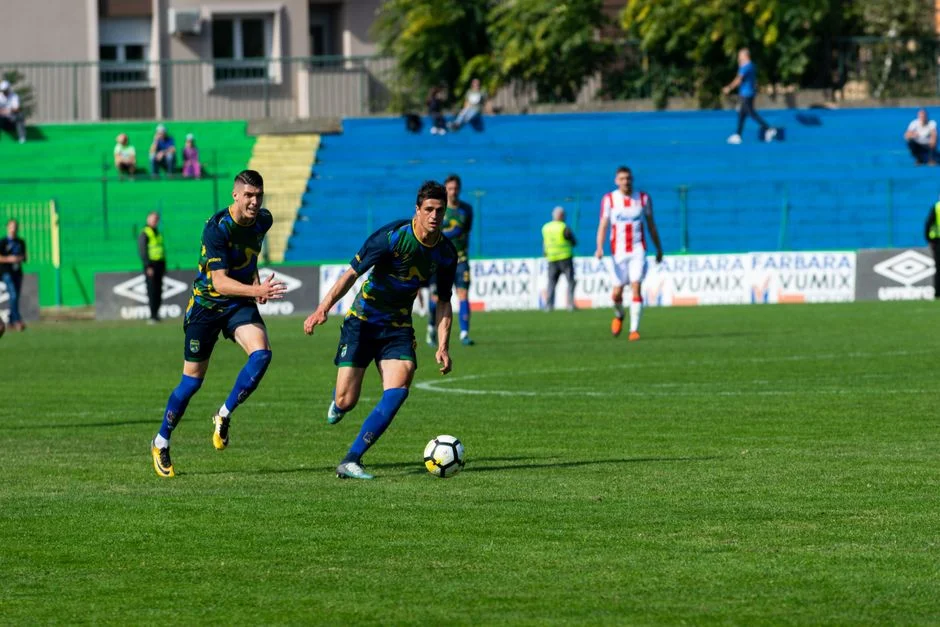
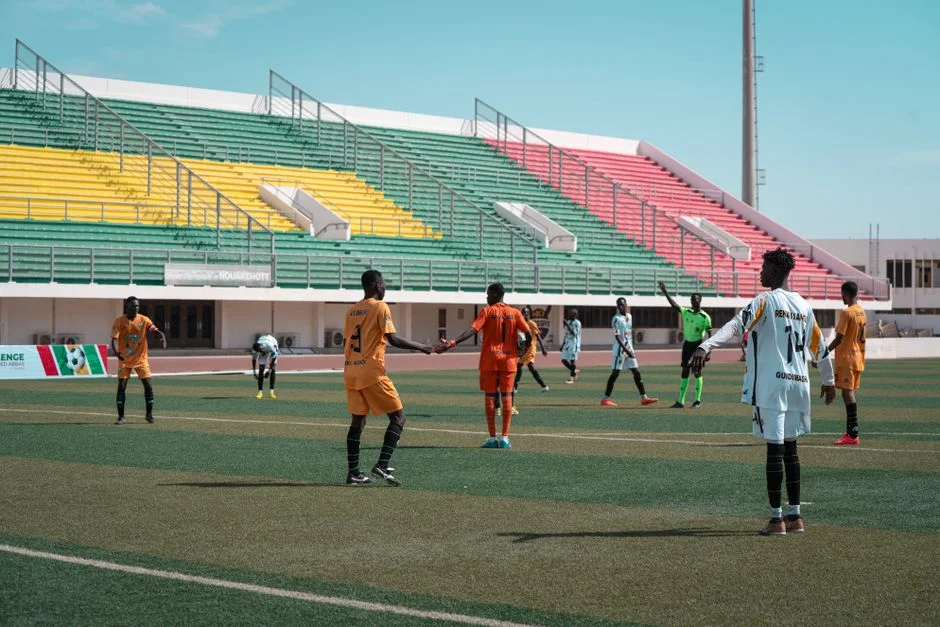
A mayor in Spain has cancelled a scheduled football friendly against the DR Congo national team, citing fears over the Ebola virus outbreak currently affecting parts of Central Africa. The decision has sparked debate about whether sporting fixtures should proceed amid public health emergencies in the region.
Match Called Off Before Kickoff
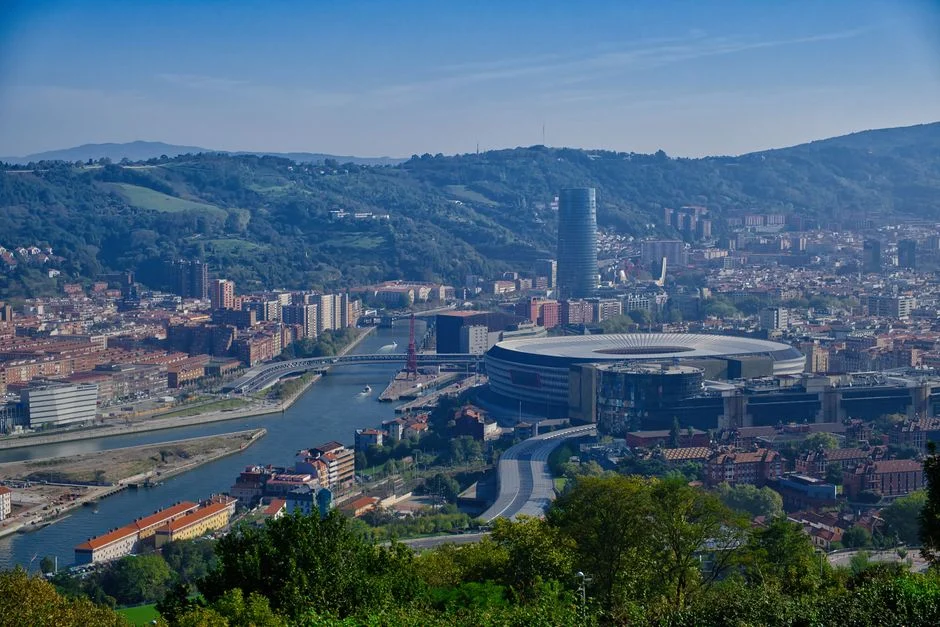
The mayor of Santa Cruz de Tenerife announced the cancellation on Monday, according to local media reports. The friendly match, which had been due to take place at a stadium on Tenerife in the Canary Islands, was meant to be part of the DR Congo team's European tour. No exact date for the cancelled fixture was disclosed in initial reports. The mayor's office stated that the decision came after reviewing health advisories related to the ongoing Ebola situation in affected African nations.
Why the Mayor Acted
Health officials have recorded new cases of Ebola in several Central African countries in recent months. The DR Congo has experienced periodic outbreaks of the virus over the past several years, including a major epidemic between 2018 and 2020 that killed more than 2,200 people. The mayor's office said protecting local residents and visitors took priority over the sporting fixture. A statement from the mayor's communications team said the cancellation reflected a duty of care to the community.
What Health Experts Say About Ebola Risks
Ebola spreads through direct contact with bodily fluids of infected individuals. Major sporting events involving teams from affected regions have faced similar scrutiny in the past. The World Health Organisation maintains that the risk of international transmission remains low when proper screening and protocols are in place, though individual governments retain authority over entry requirements for travellers from outbreak zones.
Reactions From Football Circles
Football administrators in Africa expressed disappointment at the cancellation. The DR Congo football federation has not issued a formal statement as of Tuesday evening. Some football commentators argued that cancelling a friendly sends a disproportionate message given that players would undergo medical screening before and after travel. Others supported the mayor's caution, pointing to past outbreaks where disease spread faster than authorities anticipated.
Broader Context for African Nations
The DR Congo has been working to rebuild its economy following years of conflict and disease outbreaks. Sporting events, including international friendlies, generate revenue for national football associations and boost morale among supporters. The Ebola virus has strained healthcare systems in the region and disrupted trade, travel, and daily life in affected communities. Citizens in border regions have faced particular challenges accessing medical care and essential supplies during outbreak periods.
What Happens Next
The DR Congo national team is expected to continue its European tour with matches against other opponents. Spanish health authorities have not issued a blanket ban on sporting fixtures involving African teams. The Tenerife mayor's office indicated it would reassess its approach based on guidance from national and European health bodies. Travellers arriving in Spain from Central Africa already face enhanced screening at airports and ports under current regulations.
Football fans in the DR Congo and among diaspora communities in Europe are watching closely to see whether other European cities follow Tenerife's lead. The outcome of this decision could set a precedent for how sporting fixtures involving African nations are handled during future health emergencies. Further announcements from the DR Congo football federation are expected within the coming days.
See Also
- Meningitis Outbreak Sparks Health Crisis in Kent, Threatens Regional Stability
- Cross River Denies New COVID-19 Cases — Communities Demand Clarity
The Tenerife mayor's office indicated it would reassess its approach based on guidance from national and European health bodies. The outcome of this decision could set a precedent for how sporting fixtures involving African nations are handled during future health emergencies.