Eight soldiers lost their lives when bandits ambushed a military patrol in Kaduna State on Thursday, according to multiple security sources who spoke to local media on condition of anonymity. The attackers, described in preliminary reports as members of a group that had previously indicated willingness to surrender weapons, struck in a rural area north of the state capital. Military authorities have yet to issue a formal statement confirming the death toll.
Ambush Details Remain Scarce
The attack occurred in the Buruku general area, a remote stretch of farmland that has become increasingly dangerous over the past three years. Security sources said the soldiers were conducting routine patrol duties when the bandits opened fire from concealed positions. The assailants fled before reinforcements arrived. Officials at the Nigerian Army Headquarters in Abuja declined to comment when contacted by local journalists on Thursday afternoon.
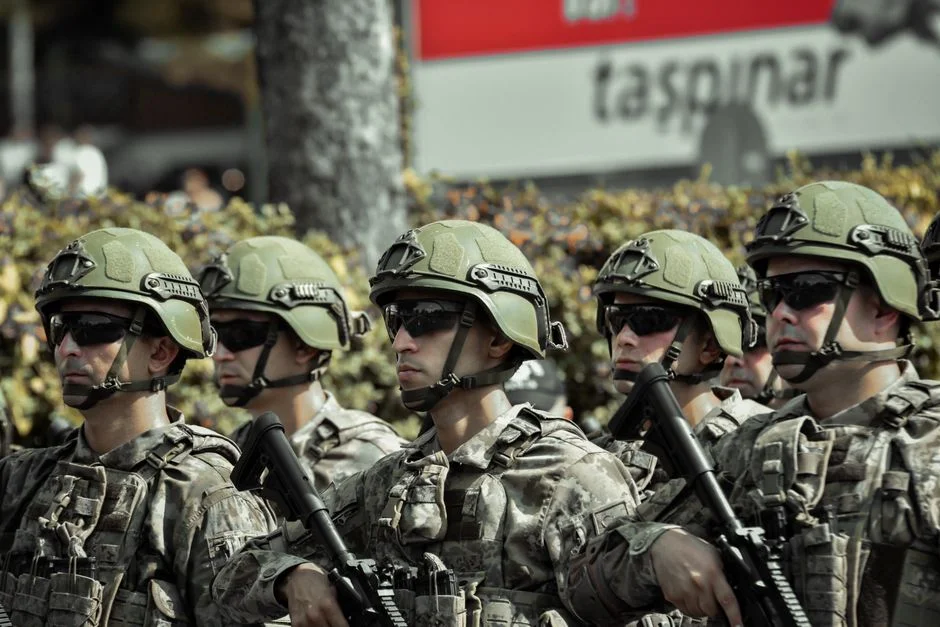
Families of the fallen soldiers remain in the dark. Relatives gathered at military barracks in Kaduna throughout the day, hoping for official notification. One woman who identified herself as the sister of a deployed soldier said she learned about the incident through social media. "We are waiting for someone to tell us the truth," she told local reporters outside the barracks perimeter.
What 'Repentant' Means on Nigeria's Frontlines
The label attached to the attackers warrants scrutiny. Nigerian security agencies have promoted reconciliation programmes with bandit groups across Zamfara, Katsina, and Kaduna states since 2021. Those programmes offered amnesty and resettlement support to fighters who surrendered firearms. Critics have long argued the initiatives lack enforcement mechanisms and allow armed groups to regroup.
Thursday's bloodshed highlights the fragility of such arrangements. Bandit leaders who publicly renounced violence have repeatedly violated ceasefire terms. Local community leaders in Buruku said the area had seen increased bandit activity over the past two months despite government claims of improved security. "We told them it was not safe here," said a village head who asked not to be named. "Nobody listened."
Human Cost for Kaduna Communities
The attack deepens an already grim security picture for residents of northern Kaduna. Rural communities in the region have endured waves of kidnappings, cattle rustling, and killings since 2019. Thousands of villagers have abandoned farms, creating food shortages that now affect markets as far south as Lagos. Children have missed school. Health clinics have closed.
A teacher in a nearby settlement described the daily fear that grips ordinary people. "We go to bed not knowing if our neighbours will still be alive in the morning," she said. "Now we hear soldiers are dying too. What does that mean for us?" The teacher's community lies approximately 40 kilometres from the ambush site, close enough that residents have begun organising informal night patrols.
Military Response and Official Silence
The Nigerian Army has not released a casualty figure as of Thursday evening. Military spokespeople typically issue statements within 24 hours of significant incidents, though delays are common when operations remain active. Defence analysts said the silence could indicate ongoing operations to track the attackers or reflects bureaucratic procedures following a high-profile loss.
Retired military officers who monitor security developments expressed concern about the tactical implications. One former officer with knowledge of northwest operations said bandit groups increasingly target patrol routes they once avoided. "These groups are more sophisticated than they were five years ago," he told local media. "They conduct surveillance. They know schedules." That assessment, if accurate, suggests military forces face an adversary that has adapted despite reconciliation efforts.
Political Reactions and Accountability Questions
Kaduna State authorities issued a brief statement expressing grief but provided no operational details. The state government called for increased patrols without specifying new measures. Governor Uba Sani's administration has made security a centrepiece of its agenda since taking office in 2023, yet attacks have continued with disturbing regularity.
Opposition politicians and civil society groups demanded answers. A coalition of community organisations issued a statement calling for transparent reporting of soldier casualties. "The families deserve to know," the statement read. "The public deserves to know the true state of security in our state." Senator Ali Ndume from neighbouring Borno State also weighed in, describing the attack as evidence that current security strategies have failed.
What Comes Next
The Army typically convenes a board of inquiry after significant combat losses. That process can take weeks before families receive formal confirmation of their loved ones' deaths. Human rights advocates worry the delay compounds suffering for relatives who already face financial hardship when soldiers die. Widows and children of fallen soldiers often struggle to access promised benefits without official documentation.
Watch for the Army's official statement, expected within 48 hours. The number of soldiers confirmed dead will shape public debate about whether reconciliation programmes with bandits should continue. Kaduna communities near the ambush site say they are preparing for possible reprisal attacks as security forces ramp up operations. The cycle of violence shows no sign of ending soon.
See Also
- NEMSA Cracks Down on Faulty Wires — Your Home Is Next
- Africa Movie Awards Bread Dress Sparks Economic Debate in Lagos
What is the latest news about eight soldiers killed in kaduna ambush families await official word?
Why does this matter for education?
What are the key facts about eight soldiers killed in kaduna ambush families await official word?