The Nigeria Electricity Management Services Agency and the Niger Delta Power Holding Company have launched a coordinated offensive against substandard electrical installations across the country. This joint initiative targets the widespread use of faulty wiring and outdated transformers that threaten homes and businesses. Citizens in Lagos and Port Harcourt are already feeling the impact as inspectors begin sealing off non-compliant properties.
For millions of Nigerians, electricity is not just a luxury but a daily necessity that dictates work, study, and survival. The crackdown aims to reduce frequent outages and fire hazards that have plagued the grid for years. However, the immediate consequence for many households is a potential spike in maintenance costs. This move signals a shift from reactive repairs to proactive enforcement, fundamentally changing how power is delivered and consumed.
Understanding the Enforcement Mechanism
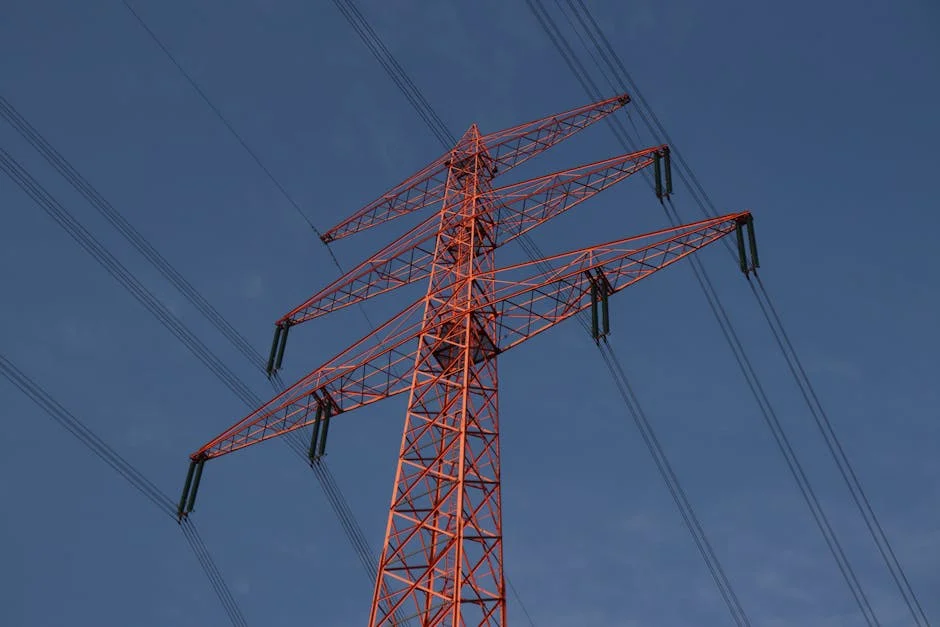
The Nigeria Electricity Management Services Agency holds the statutory power to regulate electricity service providers. It works closely with distribution companies to ensure that the infrastructure meets national standards. The Niger Delta Power Holding Company, a major distributor, has taken the lead in identifying weak points in the network. Their inspectors are currently focusing on high-density residential areas where load shedding is most severe.
Inspectors are using advanced thermal imaging cameras to detect overheating wires that the naked eye might miss. This technology allows them to pinpoint faults before they cause complete blackouts or even fires. In Lagos, teams have already visited over 500 properties in the first week of the operation. The data collected helps them prioritize which streets need immediate attention and which can wait.
Residents are being given a 48-hour notice to rectify issues before their power is temporarily halted. This approach gives homeowners and landlords a chance to fix problems without sudden disruptions. It also creates a sense of urgency that previous campaigns lacked. The goal is to make compliance the norm rather than the exception.
Impact on Daily Life in Urban Centers
For the average citizen in Port Harcourt, the news brings both relief and anxiety. Many have grown accustomed to the "banda" effect, where voltage surges destroy televisions and fridges. This crackdown promises to stabilize voltage levels, protecting expensive household appliances. However, the cost of upgrading wiring to meet new standards can be steep for low-income families.
Small business owners are particularly concerned about the downtime. A tailor in Lagos Island might lose a day’s worth of income if their shop is sealed for inspection. A cyber cafe could lose customers if the router keeps resetting due to voltage fluctuations. These economic ripples affect the entire local economy, from market traders to corporate offices.
The social impact is also significant. Neighbors are discussing the changes in community groups, sharing tips on how to pass the inspection. Some are pooling resources to hire certified electricians to fix common wiring issues in their estates. This community response shows that people are willing to adapt if the benefits are clear.
Financial Burden on Households
The average cost to rewire a three-bedroom flat in Lagos has risen by 15% in the last year. This increase is due to the higher demand for copper wires and certified labor. For a family earning the minimum wage, this is a considerable sum. Many are choosing to do partial repairs to pass the initial inspection, hoping to finish the job later.
Landlords are passing these costs on to tenants through rent hikes. This creates tension in rental markets, with some tenants threatening to move if the rent increases too sharply. The government is aware of this friction and is considering subsidies for low-income earners. Without intervention, the financial burden could fall heavily on the most vulnerable groups.
The Role of Niger Delta Power Holding Company
The Niger Delta Power Holding Company plays a crucial role in this regional push. As one of the largest distributors, it covers a vast area with diverse infrastructure needs. Its involvement ensures that the crackdown is not just a bureaucratic exercise but a practical improvement in service. The company has invested in new transformers to handle the increased load from better-maintained homes.
This partnership between the agency and the distributor sets a precedent for other regions. If successful in the Niger Delta, other distribution companies may adopt similar strategies. This could lead to a nationwide improvement in grid stability. The key is consistency; sporadic efforts often lead to public frustration and eventual apathy.
The company has also launched an awareness campaign to educate consumers. They are using local radio stations and social media to explain what constitutes a substandard installation. This education helps reduce confusion and makes the enforcement process smoother. People are more likely to comply when they understand the reasons behind the rules.
Economic Implications for the Region
A stable power supply is a major driver of economic growth. When businesses can rely on electricity, they can operate more efficiently and expand their output. This crackdown could lead to a small but noticeable boost in productivity in the Niger Delta region. Manufacturers who have relied on expensive diesel generators may see their costs decrease.
However, the short-term economic impact might be mixed. The initial surge in demand for electrical materials could drive up prices. Electricians may face a backlog of jobs, allowing them to charge premium rates. These inflationary pressures could offset some of the savings from reduced generator usage. It is a complex economic adjustment that will take time to balance out.
Investors are watching this development closely. A more reliable grid makes the region more attractive for new businesses. Real estate values might also rise in areas with certified electrical infrastructure. This could lead to a ripple effect, encouraging further investment in housing and commercial properties. The long-term economic benefits could outweigh the short-term pains.
Community Response and Public Sentiment
Public reaction has been mixed, with some praising the initiative and others criticizing the timing. In Port Harcourt, community leaders have organized town hall meetings to discuss the changes. These forums provide a platform for residents to voice their concerns and ask questions. The transparency helps build trust between the authorities and the people.
Social media has become a key channel for feedback. Residents are posting photos of their inspections and sharing their experiences. This digital word-of-mouth helps others prepare for their own visits. It also holds the inspectors accountable, as any perceived bias or inefficiency is quickly highlighted online.
There is a growing sense of ownership among citizens. Many feel that if they invest in their electrical systems, they deserve better service in return. This shift in mindset is crucial for the long-term success of the grid. It moves the relationship between the provider and the consumer from one of dependency to one of partnership.
Challenges and Potential Hurdles
One major challenge is the sheer volume of properties that need inspection. With millions of homes and businesses, the process will take time. Inspectors may face resistance from landlords who are reluctant to open up their walls. There is also the issue of corruption, where some officials might accept bribes to overlook minor faults.
The quality of electricians is another concern. Not all certified professionals are created equal. Some may cut corners to save time and money, leading to new problems down the line. The agency is working to standardize training and certification to ensure consistency. This requires ongoing monitoring and feedback from consumers.
Weather conditions also play a role. The rainy season in the Niger Delta can make inspections difficult and slow down repairs. Flooding can expose hidden wiring faults, adding to the workload. The agencies must plan for these seasonal variations to keep the momentum going.
What Comes Next for Consumers
The next phase of the crackdown will focus on commercial buildings and industrial zones. These areas consume a significant portion of the grid’s capacity. Improving their efficiency will have a disproportionate positive impact on the overall system. Businesses should prepare for more rigorous inspections in the coming months.
The government is also considering a digital portal where consumers can check the status of their electrical certifications. This transparency will help reduce disputes and make the process more user-friendly. It will also allow for real-time data collection, helping the agencies make data-driven decisions.
Citizens should watch for announcements regarding subsidy schemes for low-income households. These financial aids could ease the burden of upgrading electrical systems. It is also important to stay informed about the specific standards required in your area, as they may vary slightly between regions. Proactive preparation will help minimize disruptions and costs.
See Also
- US Visa U-Throw Traps African Fans at World Cup
- Africa Check Debunks Viral Police Video — It Is From 2022
Economic Implications for the Region A stable power supply is a major driver of economic growth. Community Response and Public Sentiment Public reaction has been mixed, with some praising the initiative and others criticizing the timing.