Doctors Without Borders teams working in Borno State have documented 7,850 cholera cases and 74 deaths across the region since the outbreak began. The figures, released this week, represent one of the most severe cholera crises to hit northeastern Nigeria in recent years. MSF emergency coordinator Claudia Lodesani confirmed the scale of the crisis during a press briefing in Maiduguri, the capital of Borno State.
Outbreak Spreads Across Northeastern Nigeria
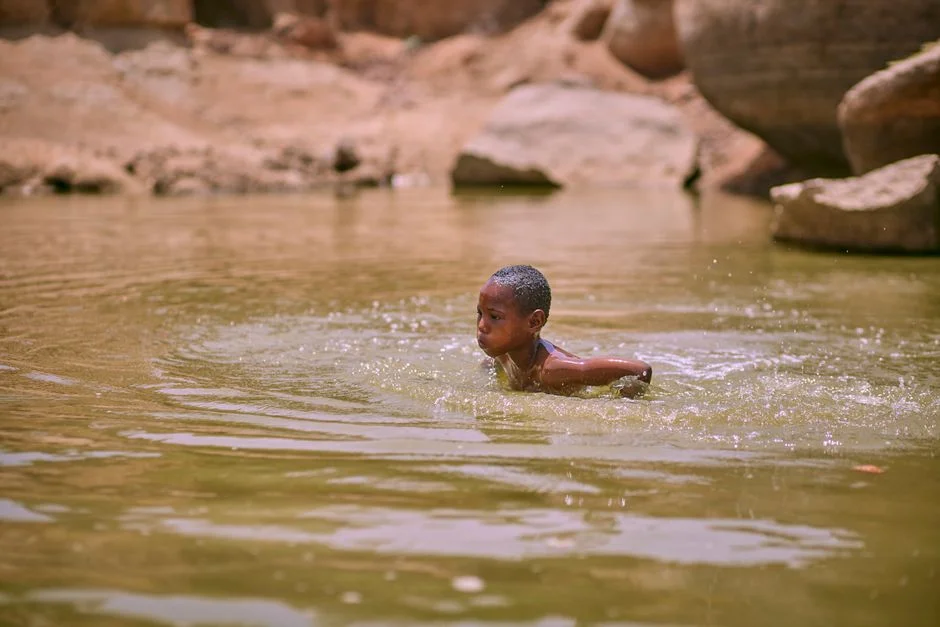
The cholera outbreak has overwhelmed health facilities already strained by years of conflict and displacement. Borno State, the epicentre of Nigeria's insurgency crisis, has seen thousands of families fleeing crowded camps where sanitation remains inadequate. Local water sources in multiple communities have tested positive for contamination, according to reports from health workers operating in the area.
Maiduguri and surrounding LGAs have recorded the highest concentration of cases. The state's fragile water infrastructure, damaged during years of fighting between security forces and armed groups, has struggled to meet demand. International aid organisations have called for urgent intervention to prevent further transmission.
Sanitation Crisis in Displacement Camps
Thousands of internally displaced persons live in camps around Maiduguri where latrine coverage falls far below international standards. MSF teams have identified at least 14 overcrowded settlements where the risk of cholera transmission remains extremely high. Women and children under five account for a disproportionate share of severe cases requiring hospitalisation.
Water trucking operations have been scaled up in recent weeks, but aid workers say the response remains insufficient. The UN Office for the Coordination of Humanitarian Affairs reported that only 40 percent of assessed camps in Borno have access to safe drinking water on a consistent basis.
MSF Deploys Emergency Response Teams
MSF has deployed additional medical staff and supplied cholera treatment centres in seven locations across Borno State. Teams have established oral rehydration points in five hard-to-reach communities where residents cannot access fixed health facilities. The organisation has also distributed over 50,000 sachets of oral rehydration salts and water purification tablets since the outbreak was declared.
The charity's field hospitals in Maiduguri have been operating at maximum capacity. Patients presenting with severe dehydration require immediate intravenous fluid replacement, a treatment that demands trained staff and consistent electricity supply—resources that remain unreliable in much of the region.
MSF country representativeBqdq has urged the Nigerian government to declare a public health emergency. Without expanded funding and coordinated response from all stakeholders, the outbreak could spiral beyond control, according to the organisation's latest situation report.
Government Response and Challenges
The Borno State Ministry of Health activated its emergency operations centre last month. State authorities have partnered with UNICEF and the World Health Organization to coordinate the response. However, aid workers on the ground report that logistics constraints, including damaged roads and limited fuel supplies, have slowed the distribution of medical supplies to remote areas.
Security concerns continue to hamper humanitarian access. Several settlements in northern Borno remain difficult to reach due to ongoing military operations. MSF has called for guarantees of safe passage for health workers attempting to deliver aid to isolated communities.
The state government has announced plans to rehabilitate boreholes and distribute chlorine tablets in affected areas. However, implementation of these measures has faced delays due to funding shortfalls. Local government authorities in Jere and Konduga LGAs have reported a shortage of trained community health volunteers to conduct outreach.
Community Impact and Public Health Concerns
Residents in Maiduguri's inner-city neighborhoods have expressed fear about the spread of the disease. Market traders and informal workers face particular risk given their daily contact with large numbers of people and limited access to handwashing facilities. Pharmacies in the city have reported shortages of rehydration solutions as demand has surged.
Schools in several LGAs have been forced to close temporarily as parents keep children at home. Community leaders incustoms and traditional rulers have been mobilised to spread prevention messages, but misinformation about the disease has circulated on social media, complicating public health efforts.
The economic consequences are already visible. Small businesses near affected areas have seen customer numbers decline as fear spreads. Transport workers report that routes serving displacement camps have seen reduced ridership as residents limit their movements.
International Response and Funding Gaps
UNICEF has allocated emergency funds to support water and sanitation activities in Borno, but officials warn that the current funding level covers only a fraction of what is needed. The organisation's representative in Nigeria called for immediate contributions from international donors to prevent the outbreak from spreading to other states.
The Central Emergency Response Fund has released $15 million to support humanitarian operations in northeast Nigeria. However, aid agencies say the money will be spread across multiple crises, leaving cholera response underfunded. MSF has warned that without additional resources, its teams will be forced to prioritise patients with the most severe symptoms.
WHO has deployed a rapid response team to support case investigation and contact tracing in the worst-affected areas. Laboratory confirmation of cases has been delayed due to limited testing capacity in the region, making it difficult to establish the true scale of the outbreak.
What to Watch Next
MSF teams will expand their response to three additional LGAs in the coming weeks, pending security clearance. The organisation has pre-positioned supplies for up to 10,000 additional cases, but officials caution that stretched resources may force difficult choices about patient prioritisation.
The rainy season, which typically peaks in August and September, threatens to worsen conditions further. Flooding in low-lying areas of Maiduguri could contaminate water sources and displace more families into overcrowded camps. Health authorities are preparing contingency plans, but the outlook remains uncertain.
Donor governments will convene a virtual pledging conference later this month to assess funding needs for Nigeria's humanitarian response. The conference, hosted by the Norwegian government, will determine whether additional resources will be available to combat the cholera outbreak alongside other crises affecting the region.
See Also
- Iran's Conflict with Israel Sparks Displacement, Echoes Across Africa
- Tinubu committed to inclusive, honest, transparent, accountable governance system – APC
Local government authorities in Jere and Konduga LGAs have reported a shortage of trained community health volunteers to conduct outreach.Community Impact and Public Health ConcernsResidents in Maiduguri's inner-city neighborhoods have expressed fear about the spread of the disease. Transport workers report that routes serving displacement camps have seen reduced ridership as residents limit their movements.International Response and Funding GapsUNICEF has allocated emergency funds to support water and sanitation activities in Borno, but officials warn that the current funding level covers only a fraction of what is needed.
What is the latest news about msf confirms 74 dead as cholera cases surge past 7800 in borno?
Why does this matter for politics-governance?
What are the key facts about msf confirms 74 dead as cholera cases surge past 7800 in borno?