Nigerian authorities have confirmed a revised schedule for the airlifting of citizens who wish to leave South Africa following a wave of xenophobic attacks that have targeted foreign nationals in multiple South African cities. The announcement comes as hundreds of Nigerians in South Africa have registered their desire to return home.
Updated Evacuation Timeline Announced
The Nigerian High Commission in Pretoria confirmed the rescheduling follows logistical consultations between officials in Abuja and their counterparts in South Africa. The original airlift date has been pushed back to allow for proper documentation and coordination with airline partners. Authorities have urged registered citizens to remain in contact with the High Commission for the latest updates on departure times and airport arrangements.

Minister of Foreign Affairs, Yusuf Tuggar, stated that the government remains committed to ensuring the safe return of all Nigerians who feel unsafe in South Africa. The ministry has set up dedicated hotlines for Nigerians seeking assistance. So far, more than 1,200 citizens have registered with the High Commission expressing interest in returning.
Violence Spreads Across South African Cities
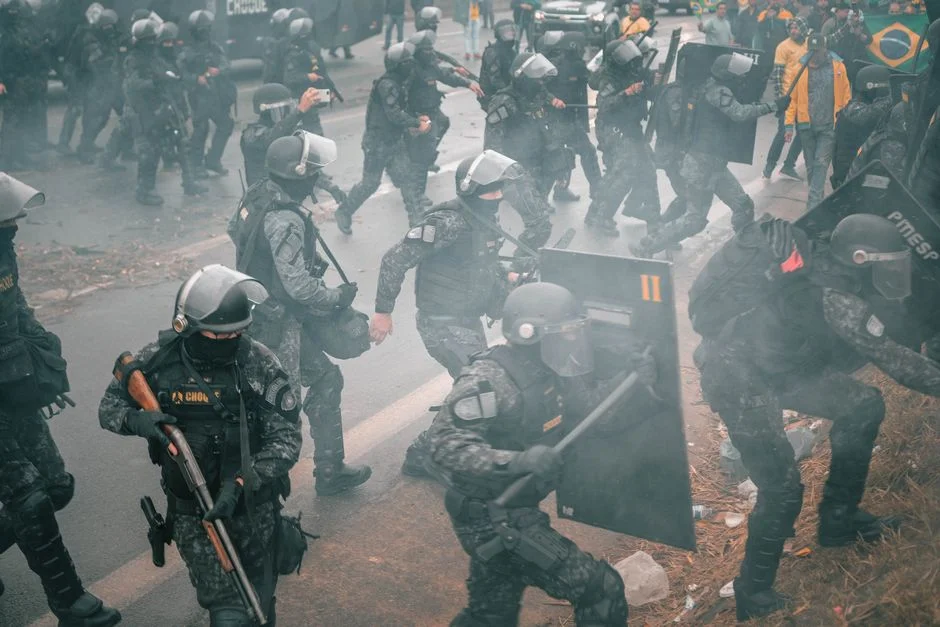
The xenophobic attacks began in late April, with incidents reported in Johannesburg, Durban, and Cape Town. South African authorities have arrested dozens of suspects connected to the violence against foreign nationals. Police forces have increased patrols in affected areas, but many foreign-owned businesses remain shuttered.
Property worth millions of rand has been destroyed since the violence began. Foreign nationals from Nigeria, Zimbabwe, Ethiopia, and other African countries have been displaced from their homes and businesses. The South African government has condemned the attacks but critics say enforcement of hate crime laws remains inconsistent.
Impact on Nigerian Communities
Nigerian traders and entrepreneurs in South Africa have borne a significant portion of the damage. Markets in townships around Johannesburg have been particularly hard hit. Community leaders report that Nigerian-owned shops were looted and set ablaze in several incidents. Many Nigerians who built businesses over years or decades have lost everything.
The Nigerian community in South Africa numbers approximately 20,000 registered citizens, though unofficial estimates suggest the figure could be higher due to undocumented residents. The attacks have reignited debates about the risks Nigerians face when working abroad and the protections their home government can provide.
Government Response and Diplomatic Channels
Nigeria's foreign affairs ministry has engaged directly with South Africa's international relations department. Diplomatic channels have been activated to push for stronger protections for Nigerian nationals. The government has also warned that it expects South Africa to hold perpetrators accountable through the courts.
President Bola Tinubu directed the ministry to explore all options for citizen protection during an emergency cabinet meeting. Officials have not ruled out seeking compensation claims through diplomatic channels for Nigerians whose property was destroyed. The foreign affairs minister travelled to Pretoria last month for talks with South African officials.
Preparations Back Home for Returning Citizens
The National Emergency Management Agency has begun setting up reception facilities for returning citizens. Temporary accommodation arrangements have been made in Lagos and Abuja for those who need immediate shelter upon arrival. The government has allocated funds for initial support including transportation to final destinations and short-term financial assistance.
State governments have been asked to prepare for returning citizens who may need help reintegrating into local communities. Some state governors have announced job placement initiatives aimed at helping returnees find employment quickly. NGOs working with diaspora communities have also offered support services including counselling for trauma.
What Happens Next
The first batch of evacuees is expected to depart Johannesburg within the next two weeks, according to the foreign affairs ministry. Registration for the airlift remains open through the High Commission website and Nigerian missions in South Africa. Officials have warned that capacity constraints mean not everyone who registers may be accommodated on the initial flights.
Those who cannot secure a seat on the government airlift have been advised to contact commercial airlines directly. Several carriers have increased capacity on routes between Johannesburg and Lagos. The government has called on Nigerians still in South Africa to stay indoors and avoid areas where tensions remain high.
See Also
- NAFDAC Seizes N10 Million Worth of Sex Enhancers, Other Products in Kaduna
- Nigeria Passes New Consumer Protection Law — and Firms Are Panicking
What is the latest news about nigeria reschedules airlift for citizens fleeing south africa attacks?
Why does this matter for politics-governance?
What are the key facts about nigeria reschedules airlift for citizens fleeing south africa attacks?