Allegations that stolen Ukrainian grain has reached international markets are raising alarms across Africa, where millions of households already struggle with food costs that have climbed sharply since 2022. The exports, reportedly moved from occupied territories in Ukraine, have surfaced in multiple countries, prompting investigations by international bodies and renewed calls for accountability. For African nations that depend heavily on Black Sea wheat and sunflower oil, the situation threatens to deepen an affordability crisis that has not let up.
Reports of Diverted Shipments Surface
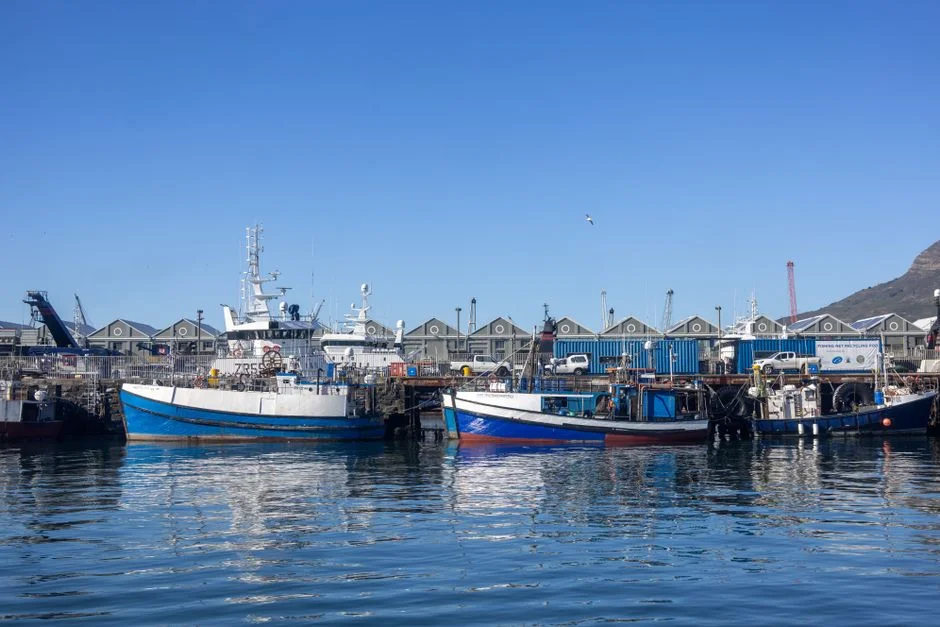
Investigative reports and satellite tracking data have identified vessels carrying grain that originated from regions under Russian control in Ukraine's southern oblasts. The shipments allegedly transited through third-party ports before reaching buyers in various countries. Ukrainian officials have released documentation they say proves the cargoes were taken without authorisation from farmland that Russia has occupied since early 2022.
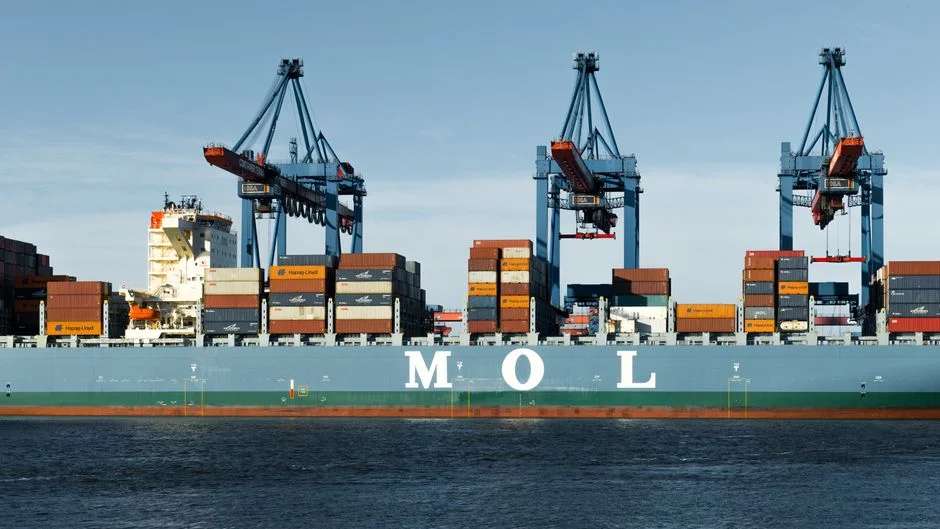
The United Nations World Food Programme and several Western governments have flagged concerns that looted agricultural products may have entered legitimate supply chains. The Ukrainian Ministry of Agrarian Policy confirmed it has shared evidence with international partners, urging enforcement action against companies that knowingly purchase goods of disputed origin.
Why Africa Bears the Brunt
African countries import roughly 25 million tonnes of wheat annually from the Black Sea region, according to Food and Agriculture Organisation data. Nations such as Egypt, which relies on Ukrainian and Russian wheat for more than 80 percent of its domestic consumption, have seen bread subsidies consume a growing share of government budgets. Across the continent, bread and pasta prices have risen between 30 and 60 percent in urban markets since the conflict began.
Households in countries like Kenya, Nigeria, and Ethiopia have reduced portions or switched to cheaper staples as protein and grain costs climbed. Aid organisations report that the number of people in sub-Saharan Africa facing acute food insecurity has exceeded 100 million, a figure that analysts say could worsen if Black Sea supply chains remain unstable.
Dependency on Black Sea Exports
Several African governments signed grain deals brokered by the United Nations and Turkey in 2022, allowing Ukraine to export through safe corridors. However, Russia withdrew from that agreement in mid-2023, citing obstacles to its own agricultural exports. Since then, freight rates for dry bulk carriers moving grain from the Black Sea have fluctuated widely, adding to import costs that African buyers struggle to absorb.
Local millers in countries like Ghana and Tanzania have told reporters that sourcing alternatives from South America or Australia increases expenses significantly. A tonne of Australian wheat delivered to West African ports now costs roughly $80 more than comparable Black Sea cargo, industry sources say.
Legal and Diplomatic Ramifications
Ukraine has formally requested that trading firms verify the provenance of grain purchased from Black Sea suppliers. The European Union has moved to expand sanctions targeting individuals and companies involved in the transfer of assets from occupied territories, though enforcement in commodity markets remains difficult. A consortium of insurance underwriters has also revised coverage terms for vessels calling at ports in contested regions.
African governments have largely avoided direct commentary on the alleged theft, preferring to focus on securing supply agreements rather than assigning blame. Officials from the African Union have called for all parties to respect the territorial integrity of exporting nations, a statement that did not single out Russia by name.
Farmers in Conflict Zones Speak Out
Agricultural workers in Ukraine's Kherson and Zaporizhzhia oblasts, where much of the reported theft has occurred, described disrupted harvests and equipment seizures in interviews with international media. Some said Russian forces requisitioned grain stocks at harvest time, paying local farmers either nothing or in non-convertible rubles. The Ukrainian government has established a digital registry to document agricultural losses, aiming to support future compensation claims.
Export associations in Ukraine estimate that since February 2022, the country has lost access to crops stored or grown on roughly 20 percent of its arable land, land that remains under occupation or within range of ongoing hostilities.
Market Analysts Weigh Consequences
Commodity traders note that if confirmed, the entry of looted grain into global markets could depress prices modestly in the short term, offering marginal relief to importers. However, the longer-term effect may be increased price volatility as buyers seek to avoid reputational or legal risk associated with disputed supplies.
The Black Sea futures benchmark for wheat has swung by as much as 15 percent in a single trading week during periods of heightened tension, a pattern that squeezes budget planning for African state grain buyers who often purchase months in advance.
What Comes Next
The Ukrainian government says it is working with international partners to develop blockchain-based traceability for grain exports, a system that could be operational by the 2025 harvest season. Independent monitors would be given access to verify cargoes at origin ports, a proposal that grain trading associations have so far given a cautious reception.
African ministers responsible for agriculture are scheduled to convene in Addis Ababa early next year for a summit that will address food system resilience. The agenda includes a session on diversifying import sources, with delegations from Brazil, Argentina, and India invited to present bilateral supply options. How quickly African governments can reduce their reliance on any single export corridor will determine whether the continent weathers the next disruption without the kind of shortages seen in 2022.
See Also
- Pushkar Dhami Swears in Five New Ministers to Expand Cabinet
- Portuguese Man Sentenced to Life in Spain for Killing Four: What This Means for Justice
The Ukrainian government has established a digital registry to document agricultural losses, aiming to support future compensation claims.Export associations in Ukraine estimate that since February 2022, the country has lost access to crops stored or grown on roughly 20 percent of its arable land, land that remains under occupation or within range of ongoing hostilities.Market Analysts Weigh ConsequencesCommodity traders note that if confirmed, the entry of looted grain into global markets could depress prices modestly in the short term, offering marginal relief to importers. The agenda includes a session on diversifying import sources, with delegations from Brazil, Argentina, and India invited to present bilateral supply options.
What is the latest news about russia accused of shipping stolen ukrainian grain to global markets?
Why does this matter for economy-business?
What are the key facts about russia accused of shipping stolen ukrainian grain to global markets?