A football coach from the Democratic Republic of Congo has confirmed he is ready to proceed with a friendly match behind closed doors, as health authorities race to contain an Ebola outbreak that has disrupted sporting events across several African nations. The decision underscores how the ongoing health crisis is forcing communities to adapt daily routines, from football matches to market gatherings, in ways that touch ordinary citizens across the region.
Coach Confirms Match Will Proceed in Empty Stadium
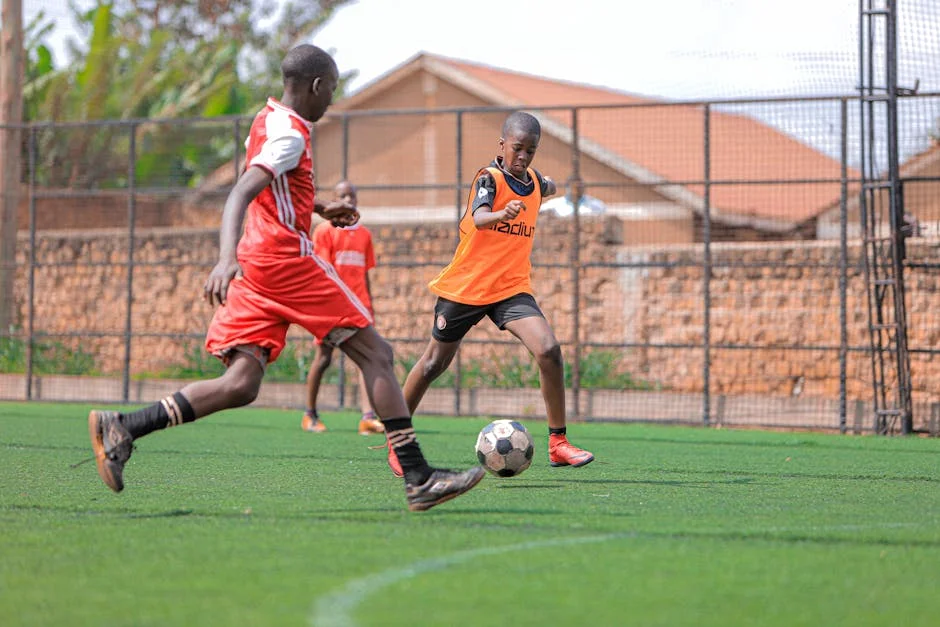
The unnamed DRC coach told reporters on Tuesday that his squad has been training normally despite the unusual circumstances surrounding their upcoming friendly. Football authorities had initially scheduled the match with full public attendance, but health protocols tied to the Ebola situation forced a last-minute reversal. "We have prepared the team for this scenario," the coach said. "The players understand what is at stake." The match will now take place at a venue in Kinshasa, with only essential personnel present.
Why Health Officials Ordered the Closed-Door Ruling
Ebola has no cure and spreads through direct contact with bodily fluids, making large gatherings particularly risky. Health ministries across Central and East Africa have issued advisories limiting public events in affected zones. The closed-door order for the friendly reflects a broader pattern: authorities are choosing to preserve sporting calendars where possible while prioritising public safety. In neighbouring regions, several community festivals and market days have also been restructured or postponed entirely.
For fans in Lagos, Abuja, and Port Harcourt, the disruption serves as a reminder that the health situation remains fluid. Channels Television has reported that Nigerian health officials are monitoring cross-border movement patterns, particularly in states bordering Cameroon and Niger, where trade routes intersect with known travel corridors.
Nigerian Communities on High Alert
In Cross River State, local health workers have been deployed to border crossings to conduct screening. Community leaders say the messaging has shifted from awareness campaigns to active surveillance. "We are no longer just telling people to wash their hands," said a local official in Calabar who spoke to journalists last week. "We are checking temperatures and tracking anyone coming from affected areas." The state government has yet to issue restrictions on public gatherings, but officials acknowledge the situation could change within days.
The economic toll is already visible in border towns where cross-border trade typically sustains livelihoods. Motor parks that once buzzed with travellers heading to Cameroon and Chad now operate at reduced capacity. Traders report that customers are staying home, fearing exposure to crowded spaces where the virus could spread rapidly.
Football Community Feels the Strain
The DRC coach's willingness to play behind closed doors reflects the financial pressures facing clubs and national federations across the continent. Cancelling matches means losing gate revenue, sponsorship income, and broadcast fees that organisations depend on to pay players and staff. For many clubs in the region, a cancelled friendly is not merely an inconvenience but a threat to payroll sustainability.
Spanish football clubs have faced similar dilemmas in past outbreaks, and some African federations have looked to their protocols for guidance. The Confederation of African Football issued a statement last month urging member nations to coordinate with health ministries before postponing any international fixtures. The DRC friendly appears to be a test case for how to balance competition with containment measures.
What Comes Next for Regional Sporting Events
Health experts tracking the outbreak say the next four to six weeks will be decisive. If new cases continue to cluster in known areas, more events may face restrictions or cancellations. Conversely, a slowdown in transmission could allow stadiums to reopen to limited crowds within the coming months. The World Health Organisation is expected to release an updated risk assessment later this month that will inform decisions by national sports bodies.
For Nigerian football fans, this means the season calendar could shift depending on how the situation evolves. The Nigeria Football Federation has not yet announced policy changes, but sources within the organisation suggest contingency plans are being drafted. Parents with children in youth football academies say they are watching closely. "We need to know if our kids can still train next week," said a father in Enugu whose son attends a local academy. "The season fees are already paid."
The DRC coach is expected to speak again before the match date is confirmed. Health authorities in Kinshasa have promised to provide updates through official channels as the situation develops. Citizens in the region are advised to follow ministry announcements and avoid relying on unverified social media reports that have circulated in recent days, some of which contain inaccurate information about affected areas.
See Also
- WHO Confirms Ebola Cases Outside Africa — Border Nations Brace for Impact
- WHO Warns Ebola Spread in Africa Could Reach Hundreds – Immediate Action Needed