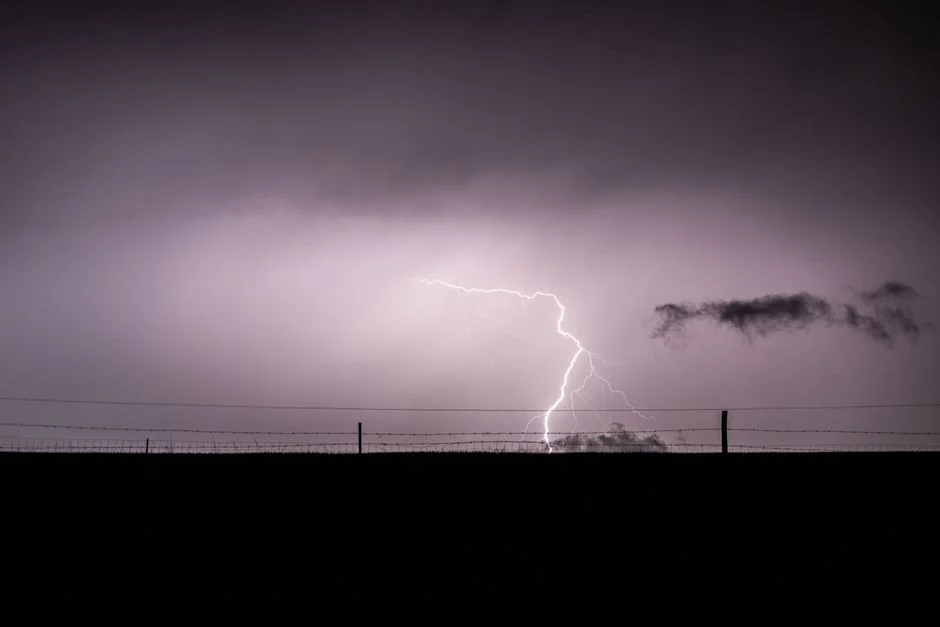
South Africa's weather authorities have issued a rare Level 8 severe storm warning, prompting urgent preparations across multiple provinces as meteorologists track a powerful weather system expected to make landfall within days.
Storm Classification and Projected Path
The South African Weather Service confirmed the warning on Tuesday, classifying the incoming system as a Level 8 event on its five-tier severity scale. The storm is currently forming over the southern Atlantic Ocean and is projected to track eastward before crossing the coast near the Eastern Cape province.

Meteorologists expect the system to intensify as it moves over warmer waters, bringing sustained winds exceeding 120 kilometres per hour along coastal areas. Inland provinces including the Free State and Gauteng are likely to experience heavy rainfall and localised flooding.
Provincial Emergency Response
Provincial disaster management centres have activated emergency protocols in anticipation of the storm. Officials in the Eastern Cape have begun pre-positioning rescue equipment and evacuation resources in low-lying coastal communities known to face flooding risks during severe weather events.
The national Department of Cooperative Governance and Traditional Affairs issued a statement urging residents in high-risk areas to secure loose property and identify shelter locations before the storm arrives. Municipal authorities in Port Elizabeth and surrounding towns have begun clearing storm drains to reduce flood damage.
Impact on Daily Life and Transportation
Schools in vulnerable coastal districts may suspend classes during the storm's peak intensity, according to provincial education officials. Local media reported that several municipalities are reviewing evacuation plans for informal settlements where residents face heightened risk from flooding and wind damage.
Air travel is expected to face disruptions, with the Airports Company South Africa monitoring conditions at major hubs including O.R. Tambo International Airport in Johannesburg. Coastal ferry services have been suspended pending further notice.
Community Preparedness Measures
Residents across affected regions are being advised to stockpile essential supplies including drinking water, non-perishable food items, and medication for at least 72 hours. The South African Red Cross Society has placed volunteer teams on standby to support emergency response operations if needed.
Power provider Eskom warned that localised electricity outages may occur as strong winds damage infrastructure. The utility urged communities to report fallen power lines immediately and avoid touching any electrical equipment during the storm.
Historical Context of Severe Storms
Level 8 warnings remain uncommon in South Africa, with the weather service typically reserving the highest classifications for systems posing significant threat to life and property. The last comparable warning was issued in 2021 when Tropical Storm Eloise caused extensive flooding across the northeastern provinces.
Climate researchers have noted an increase in the intensity of weather systems affecting the southern African region over the past decade. Warmer ocean temperatures are contributing to more powerful storm formations in the southwest Indian Ocean.
Agricultural and Economic Consequences
Farmers in the Eastern Cape have begun harvesting mature crops ahead of the storm to minimise losses. The agricultural sector faces potential damage to infrastructure including greenhouses, irrigation systems, and livestock enclosures.
Insurance companies anticipate a surge in claims following the storm, with industry analysts noting that severe weather events have placed increasing strain on the sector's reserves over recent years.
What to Watch in the Coming Days
Weather officials will provide twice-daily updates as the system approaches the coast. Residents should monitor official communications from the South African Weather Service and local emergency management offices for the latest information.
The storm is expected to make landfall by Thursday evening, with conditions likely to deteriorate rapidly along the coast throughout the day. Authorities will reassess evacuation orders based on real-time tracking data as the system draws closer to populated areas.
See Also
- Naira strengthens against dollar as oil revenues recover
- Vitinha warns PSG: You can't afford to have stars like Neymar, Messi not running — here's why
The South African Red Cross Society has placed volunteer teams on standby to support emergency response operations if needed.Power provider Eskom warned that localised electricity outages may occur as strong winds damage infrastructure. The utility urged communities to report fallen power lines immediately and avoid touching any electrical equipment during the storm.Historical Context of Severe StormsLevel 8 warnings remain uncommon in South Africa, with the weather service typically reserving the highest classifications for systems posing significant threat to life and property.