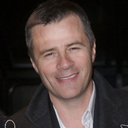
Jimoh Ibrahim, a Nigerian politician and businessman, secured the chairmanship of the United Nations General Assembly's Fifth Committee on Tuesday, defeating opponents from two other regional blocs in a vote that underscored Nigeria's growing influence at the world body. The election took place during the General Assembly's organizational session in New York, where Ibrahim garnered support from the African Group and several other regional caucuses. His victory marks the first time a Nigerian has held this particular position in more than a decade.
The Vote and Regional Support
Ibrahim defeated candidates from the Asia-Pacific and Latin American groups in a contest that required a simple majority among member states present. Delegates from the African Group, which nominates candidates for leadership positions through a rotating system, rallied behind Nigeria's bid after months of diplomatic outreach. The result was announced by General Assembly President Philemon Yang, who welcomed the new committee chair to his leadership team.
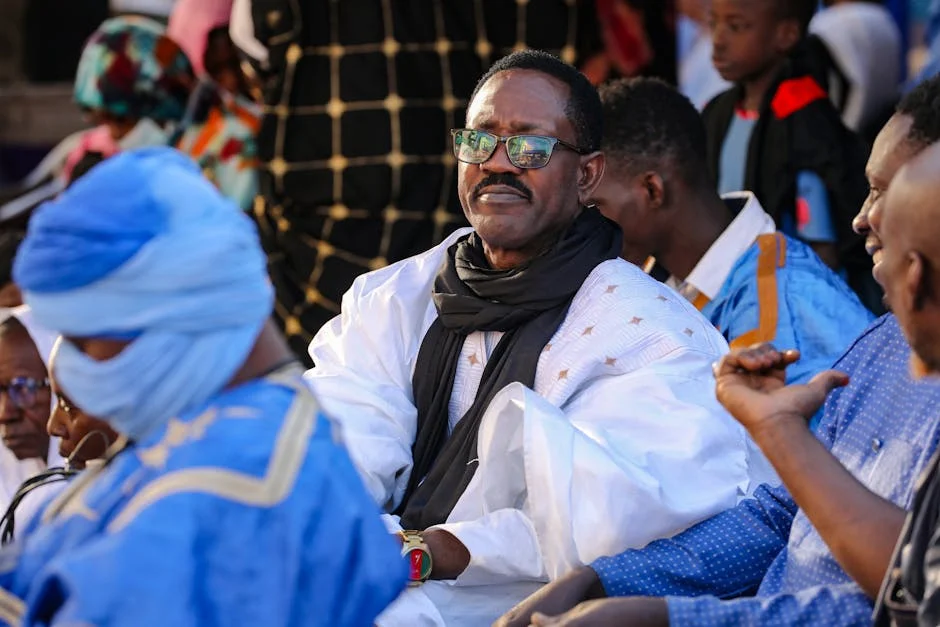
In his acceptance remarks, Ibrahim thanked member states for their confidence and outlined an ambitious agenda focused on efficiency and accountability. The Nigerian delegation had campaigned heavily on the need for the committee to address mounting arrears in peacekeeping contributions that have strained UN operations globally.
Who is Jimoh Ibrahim
Ibrahim brings decades of experience in both public service and private enterprise to the role. He previously served in Nigeria's National Assembly and has held positions in various financial institutions. His background in commerce and governance is expected to inform his approach to the committee's budgetary responsibilities. The Fifth Committee handles administrative and budgetary matters for the entire UN system, including peacekeeping operations that cost roughly $7 billion annually.
His nomination was put forward by Nigeria's Ministry of Foreign Affairs following consultations with other African nations. Officials in Abuja described the candidacy as part of a broader strategy to place more Africans in influential UN positions during the current session.
The Fifth Committee's Weight
The Fifth Committee wields considerable influence over how the United Nations allocates its resources. It reviews the budgets of all UN agencies, programmes, and peacekeeping missions, making recommendations that effectively determine spending priorities for 193 member states. Decisions made in this committee affect everything from humanitarian operations to diplomatic missions across conflict zones.
Peacekeeping alone consumes the largest share of the UN's operational budget. The committee has faced increasing pressure to reform how these missions are funded, particularly as contributions from major powers have fluctuated in recent years. Ibrahim inherits these challenges at a time when several member states are calling for greater scrutiny of expenditures.
Reform Pledges Take Shape
In his first public statement following the election, Ibrahim outlined three priority areas for his tenure. First, he intends to accelerate audits of legacy peacekeeping missions that have been criticized for inefficiency. Second, he wants to streamline the committee's own procedures, which have been faulted for slow decision-making. Third, he pledged to push for greater transparency in how assessed contributions are calculated and collected.
Member states have expressed frustration with repeated budget overruns in several peacekeeping operations. Some delegations have called for performance-based funding models that would tie resources to measurable outcomes. Ibrahim indicated he would explore these ideas while respecting the sovereignty of countries hosting missions.
Fiscal Discipline Commitments
Ibrahim committed to what he called "zero-tolerance" for waste in UN operations. This language resonated with delegations from countries that contribute heavily to the regular budget but have grown weary of cost overruns. The commitment aligns with a broader push at the United Nations to demonstrate value to taxpayers in contributing nations.
He specifically mentioned outdated procurement practices as an area ripe for reform. Many UN agencies continue to rely on lengthy approval processes that inflate costs for basic supplies and services. Streamlining these systems could free up resources for programme delivery, according to Ibrahim's office.
Implications for Nigeria and Africa
The election carries diplomatic significance beyond the technical nature of the committee's work. Nigeria has long sought to expand its footprint at the United Nations, and a leadership role in a major General Assembly committee strengthens its claim to a permanent seat on any future Security Council expansion. The win also signals that African nations are consolidating their voting power in UN bodies.
For ordinary Nigerians, the position could translate into indirect benefits through increased visibility for the country's priorities at the UN. Issues such as climate finance, peacekeeping deployment, and development assistance all pass through committee review. Having a Nigerian at the helm means Abuja has a direct line to deliberations that shape these policies.
Nigeria's foreign policy establishment viewed the candidacy as a test of regional solidarity. Other African delegations backed the Nigerian candidate despite informal competition for such positions among various member states in the continent.
Challenges Ahead
Ibrahim assumes the chairmanship at a turbulent moment for UN finances. Several member states are behind on their assessed contributions, creating cash flow problems that periodically disrupt peacekeeping payments. The committee will need to address these arrears without alienating countries that cite economic hardship as justification for delayed payments.
The reform agenda faces resistance from entrenched interests within the UN bureaucracy. Agency heads have historically defended their budgets vigorously, and any attempt to cut programmes could trigger pushback from member states that benefit from them. Ibrahim will need to balance his fiscal discipline pledge with the political reality of consensus-based decision-making.
What Happens Next
The committee's next substantive session begins in October when delegates gather in New York for the annual general debate and budget deliberations. Ibrahim is expected to unveil his formal work programme during that gathering. Key decisions on peacekeeping budget levels for the fiscal year starting in January will dominate the agenda.
Observers say the first 100 days of his chairmanship will set the tone. If he delivers visible progress on procurement reform, it would build credibility for more ambitious changes. Failure to show results could embolden critics who question whether technical committees benefit from fresh leadership or require career bureaucrats instead.
See Also
- Florida Man Scams Elderly Woman Out of $600,000 in Gold
- Epic Games Cuts 1,000 Jobs Amid Global Tech Downturn