At least 37 people have died from a cholera outbreak sweeping through Borno State, prompting a group of senators to demand an emergency national response from the federal government. The outbreak, concentrated in Maiduguri and at least six surrounding local government areas, has overwhelmed health facilities already stretched thin by years of insurgency-related displacement and poor water infrastructure.
Death toll rises across Borno LGAs
The Borno State Ministry of Health confirmed the 37 deaths on Tuesday, adding that more than 900 suspected cases had been recorded within two weeks. Health workers in Maiduguri told reporters that treatment centres were filling up faster than officials could cope with, and that some patients were being turned away from under-resourced facilities.
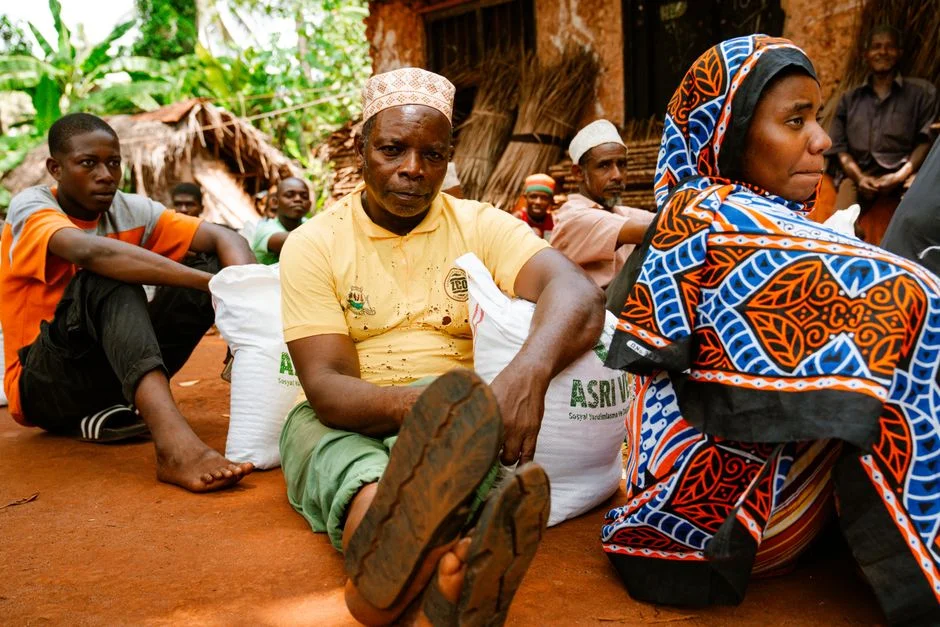
DrMustapha Mohammed, who chairs the state cholera response committee, told Vanguard News that the situation was deteriorating rapidly in five LGAs: Chibok, Damboa, Kwaya Kusar, Bayo, and Shani. "We are seeing severe dehydration in patients arriving from rural communities where there is simply no access to clean drinking water," he said.
Senate demands federal intervention
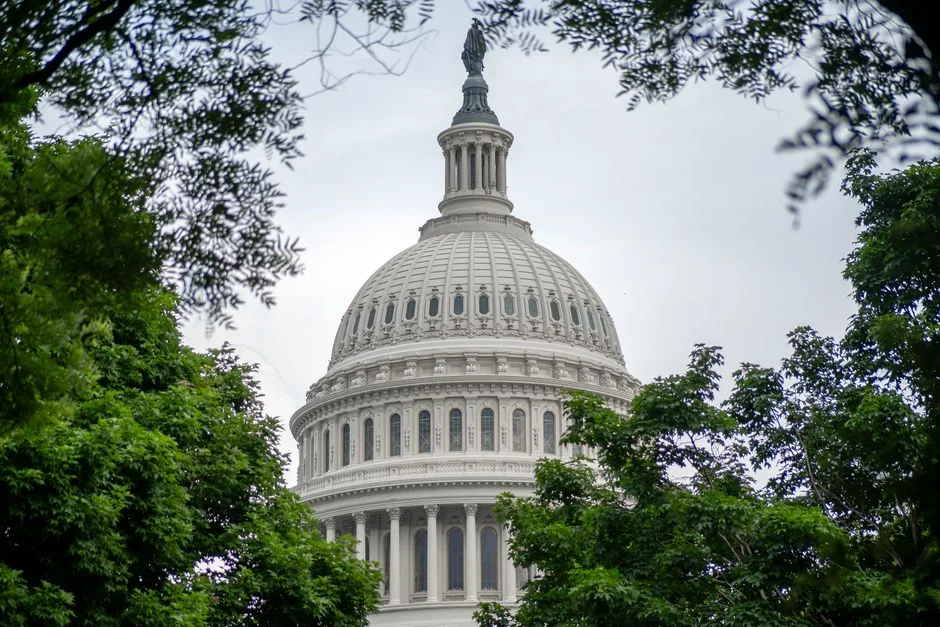
A cross-party delegation of senators from the North-East pressed the National Assembly on Wednesday, calling on President Bola Tinubu to declare the outbreak a national health emergency. Senator Ali Ndume, who represents Borno South, said the federal response had been too slow. "Thirty-seven people dead is not a statistics. These are mothers, children, and elders who died from a preventable disease," he said.
The Senate Committee on Health is expected to summon the Minister of Health and Social Welfare, Dr Ali Pate, to brief lawmakers on Thursday about the government's planned response. Ndume confirmed he had submitted a formal request for the emergency session.
Federal ministry announces rapid response
In a statement released late Wednesday, the Ministry of Health confirmed it was deploying a rapid response team to Borno State. The team will include epidemiologists, community health workers, and supplies of oral rehydration salts and antibiotics. The Nigeria Centre for Disease Control (NCDC) said it was monitoring the situation and had issued an alert to states bordering Borno.
Contaminated water and sanitation gaps
Health officials trace the outbreak to contaminated water sources in communities where boreholes have fallen into disrepair and open defecation remains common. UNICEF estimates that approximately 40% of water points in Borno's rural LGAs require rehabilitation or replacement. During the rainy season, which runs from June to September, surface runoff carries faecal bacteria into wells and open water sources used by displaced families.
MSF, the medical charity operating in the state, said its teams in Maiduguri had admitted more than 200 severe cholera cases in the past ten days alone. "The scale of this outbreak is concerning. We are calling for an immediate scale-up of water, sanitation, and hygiene supplies," said Dr Hauwa Mohammed, MSF's medical coordinator in Borno.
Displacement compounds the risk
More than 1.8 million people remain displaced across Borno State, many of them living in overcrowded camps or informal settlements with limited access to toilets and safe water. The UN Office for the Coordination of Humanitarian Affairs (OCHA) warned in its latest report that camp conditions were making residents especially vulnerable to waterborne diseases.
Community leaders in the Custom House and Gomari areas of Maiduguri told Vanguard News that stagnant floodwater had become a health hazard in recent weeks. Residents said they had reported the issue to local authorities but no drainage work had been carried out before the outbreak took hold.
Children and elderly bear the heaviest burden
Medics at the University of Maiduguri Teaching Hospital said children under five and people over 60 accounted for nearly half of the deaths recorded so far. The hospital's emergency ward has been converted to handle cholera cases, and staff say they are working without adequate protective equipment.
Public health experts warn that if the outbreak is not contained within the next two weeks, it could spread to neighbouring Adamawa and Yobe states. The NCDC's director-general, Dr Jide Idris, said Nigeria had the laboratory capacity to confirm cases quickly but needed better community-level reporting to stop transmission.
What happens next
The Senate health committee's Thursday session will be the first test of whether federal authorities treat this as a crisis or a routine outbreak. Watchers say the outcome of that briefing — and whether it leads to a declared emergency and emergency funding — will determine how fast resources reach affected communities.
Residents in the hardest-hit LGAs are waiting. For families in Damboa and Chibok, the question is not when a response will be announced but when clean water will arrive at their doors.
See Also
- INEC Data Leak Exposes Voter Records — FCT Minister Wike Caught in Row
- 10 countries for 2023 West, Central Africa challenge Trophy in Lagos
The hospital's emergency ward has been converted to handle cholera cases, and staff say they are working without adequate protective equipment.Public health experts warn that if the outbreak is not contained within the next two weeks, it could spread to neighbouring Adamawa and Yobe states. Watchers say the outcome of that briefing — and whether it leads to a declared emergency and emergency funding — will determine how fast resources reach affected communities.Residents in the hardest-hit LGAs are waiting.