A Chilean mayor has cancelled a planned friendly football match between Chile and the Democratic Republic of Congo, citing public health concerns over the Ebola outbreak spreading through parts of Africa. The decision has ignited debate over whether sporting fixtures should be halted over epidemic fears.
The match was scheduled to take place in the northern city of Antofagasta before being called off by Mayor Marcelomathilde Espíndola. Municipal officials confirmed the cancellation in a statement released Tuesday, noting that local health authorities had recommended against hosting the Congolese squad.
The Cancellation and Official Reasoning
Espíndola announced the decision after meeting with health officials from Chile's Ministry of Health. The mayor's office stated that the risk assessment lasted three days before the final call was made. Antofagasta had been preparing to host the match at the Estadio Regional, a venue capable of holding 21,000 spectators.
The DR Congo national team was already in transit when the news broke. The squad had departed Kinshasa on Friday and was due to arrive in Chile by Sunday. Coach Desabet Mbungua confirmed his squad learned of the cancellation through media reports rather than official channels.
Regional Context and Outbreak Data
The World Health Organisation reported 128 confirmed Ebola cases across three provinces in the DRC as of last month. The outbreak, concentrated in the Equateur and North Kivu regions, has killed 53 people since January. Health workers have managedcontainment efforts across 17 health zones, though the remote terrain complicates reporting.
Chile's Ministry of Foreign Affairs had not issued any formal travel advisory against the DRC at the time of cancellation. The government confirmed no Chilean citizens were currently in Ebola-affected areas.
The Stigma Debate
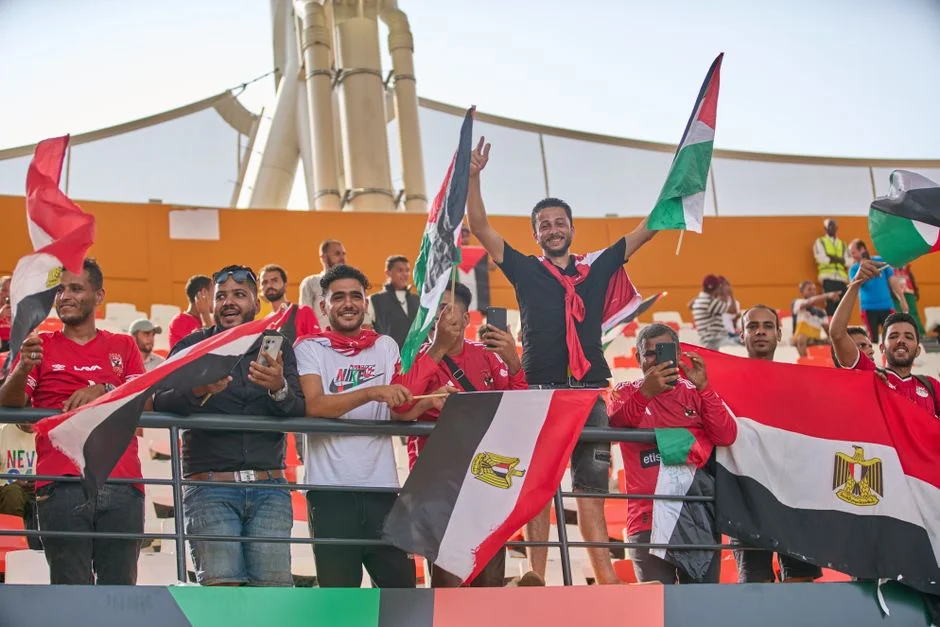
Football federations across Africa have raised concerns about the precedent set by the Chilean decision. The Confederation of African Football released a statement calling for international matches to proceed unless the World Health Organisation declares a public health emergency of international concern.
The African football union argued that cancelling matches targets African nations disproportionately. No European or South American squad has faced similar restrictions during recent outbreaks in other regions.
Reaction from Both Football Bodies
The Chilean Football Federation distanced itself from the mayor's decision. President Pablo Milad stated his organisation had received no health warnings from national or international authorities. The federation is now seeking alternative opponents for the international break window.
The Congolese federation expressed disappointment but accepted the outcome. Spokesman Jean-Pierre Kasongo told reporters the team would return to Kinshasa and seek matches against other willing opponents.
What Happens Next
Chile faces Uruguay in a World Cup qualifier on November 16. The squad will now use the scheduled friendly window for training. Coach Ricardo Gareca had planned to use the DRC match to assess younger players.
The DR Congo team must now scramble to arrange alternative fixtures before the Africa Cup of Nations qualifiers resume in January. Scheduling conflicts with club obligations make finding replacement opponents difficult.
Broader Implications for African Football
Sports economists warn that repeated cancellations could damage Africa's standing in the international football calendar. Broadcasting deals and sponsorship agreements often depend on confirmed fixture schedules.
Several African national team coaches have expressed frustration at what they describe as inconsistent treatment. No Asian or European squad has faced comparable restrictions during disease outbreaks in their regions over the past decade.
The match window closes on November 20. Watch for announcements from both federations regarding replacement fixtures and any formal complaints to football's governing bodies.
See Also
- Nigerian National Arrested in Mpumalanga with Drugs Hidden Under Mattress
- Lagos Police Dismisses Viral Video of Armed Fulani Men as Old and Misleading
The African football union argued that cancelling matches targets African nations disproportionately. No European or South American squad has faced similar restrictions during recent outbreaks in other regions.
What is the latest news about chile scraps dr congo friendly over ebola football world reacts?
Why does this matter for health-medicine?
What are the key facts about chile scraps dr congo friendly over ebola football world reacts?