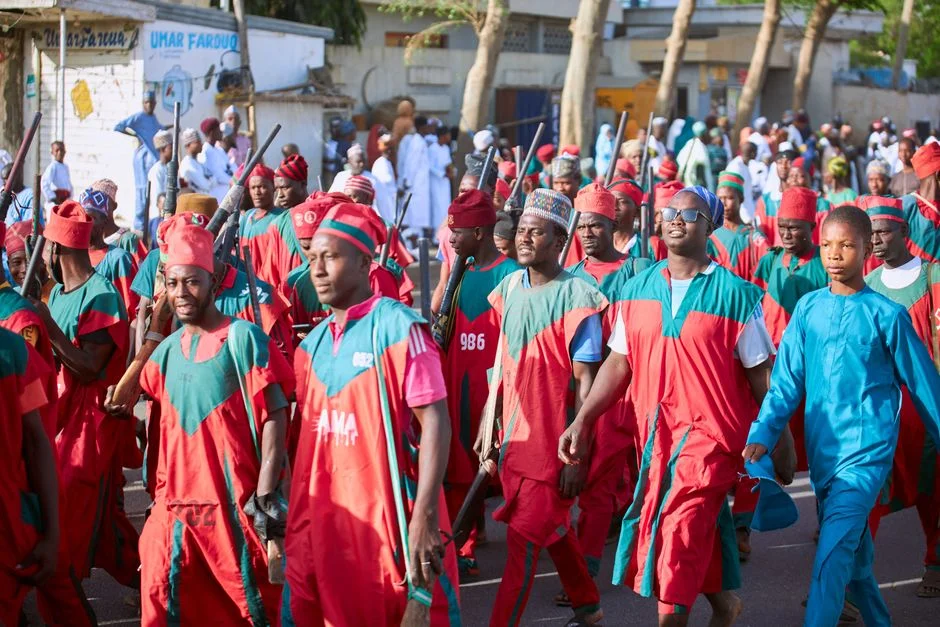
Community leaders in Aramoko have thrown their weight behind the ongoing Alara selection process, bringing relief to a town that has watched traditional governance disputes linger for months. The endorsement from key stakeholders marks a turning point for the ancient kingdom in Ekiti State.
Stakeholders Speak With One Voice
A coalition of community leaders, traditional chiefs, and youth representatives gathered in Aramoko on Tuesday and publicly backed the current selection process for the Alara stool. The gathering drew figures from across the town's major compounds and families traditionally involved in succession matters. Local media reported that over fifty community elders attended the meeting, signalling broad consensus after earlier disagreements that had threatened to fracture the town.

"We have seen the process unfold fairly and transparently," said a senior chief who spoke to Vanguard News on condition of anonymity. "The concerns raised previously have been addressed, and we are satisfied that the right steps were followed." The chief's comments reflect a shift in sentiment that has taken hold across Aramoko over the past several weeks.
Why the Selection Process Matters
The Alara of Aramoko occupies a central role in the cultural and social life of the community. Beyond ceremonial duties, the traditional ruler resolves land disputes, mediates family conflicts, and represents the town in broader Ekiti chieftaincy affairs. A prolonged vacancy or contested selection can stall decision-making on issues that directly affect thousands of residents.
For ordinary citizens, the Alara's court handles inheritance cases, marriage disputes, and local governance matters that would otherwise require costly litigation. Families in Aramoko told reporters that they had waited months for the selection process to conclude before proceeding with land transactions and other official business.
How the Process Unfolded
Sources close to the selection committee revealed that the process involved extensive consultations with royal families, senior chiefs, and the Ekiti State Ministry of Justice and Traditional Affairs. The committee invited independent observers from neighbouring kingdoms to witness key stages, a move intended to boost legitimacy and reduce future challenges.
State officials confirmed that the ministry reviewed all documentation submitted by the selection committee before giving its nod. This review included genealogical records, traditional protocols, and evidence of consensus among eligible voting families. The thoroughness of the process appears to have convinced even former critics to shift their position.
Community Reaction and Relief
Young professionals in Aramoko expressed cautious optimism about the outcome. Many had watched the dispute unfold with growing frustration, fearing that prolonged uncertainty could discourage investment in the town. "When outsiders see disputes like this, they think twice about setting up businesses here," said a local entrepreneur who runs a logistics firm. "A settled selection process changes that perception."
Women leaders in the community also welcomed the endorsement, though some indicated they would continue to push for greater inclusion in future selection processes. "We participated in some of the consultations and our voices were heard," noted the leader of the local women's council. "That is progress, even if we want more."
What Comes Next
The final stage involves formal investiture, a ceremony traditionally attended by the Ooni of Ife, the Oba of Benin, and other top traditional rulers across the region. Sources within the palace indicated that the coronation could take place before the end of the current quarter, pending confirmation of the date by the state government.
The Ekiti State Ministry of Traditional Affairs will issue a formal announcement once the coronation date is set. Community leaders have appealed to the public to maintain peace and avoid actions that could undermine the settled process.
Implications for Ekiti Chieftaincy Affairs
The resolution in Aramoko offers a template that other towns facing similar succession disputes may look to. Ekiti State has recorded at least three high-profile chieftaincy contests in the past two years, each straining community relations and diverting official attention from development priorities.
Traditional affairs analysts noted that the transparency of the Aramoko process could influence how the ministry handles future applications. "Documentation, community consensus, and independent observation — those three elements will likely become the standard," said a chieftaincy expert who advises the state government. "The Aramoko case showed that a thorough process can silence even the loudest critics."
Citizens in Aramoko will be watching closely over the coming weeks as the investiture date approaches. The ceremony will not only install a new Alara but also signal whether the town has truly moved past months of uncertainty into a new chapter of stable governance.
See Also
- Nigeria FC Secures Vital Victory Over ZA — Local Economy Follows Suit
- UCT AI Study Reveals How South Africa's Language Data Shapes Nigeria's Tech Future
"A settled selection process changes that perception."Women leaders in the community also welcomed the endorsement, though some indicated they would continue to push for greater inclusion in future selection processes. Sources within the palace indicated that the coronation could take place before the end of the current quarter, pending confirmation of the date by the state government.The Ekiti State Ministry of Traditional Affairs will issue a formal announcement once the coronation date is set.
What is the latest news about aramoko stakeholders back alara selection after months of disputes?
Why does this matter for health-medicine?
What are the key facts about aramoko stakeholders back alara selection after months of disputes?