The Yoruba community in Nigeria is breathing new life into Abula, a traditional game with deep cultural roots. This revival comes as part of a broader effort to strengthen local identity and galvanise the local economy, particularly in Lagos, where community events have recently attracted significant attention.
Reviving a Cultural Heritage
Abula, often referred to as the Yoruba version of football, has been played for centuries, embodying the spirit and values of the Yoruba people. The game involves two teams competing to score points by throwing a ball into a designated area. As urbanisation increases, the transmission of such cultural practices has faced challenges, but local leaders are committed to keeping the tradition alive.
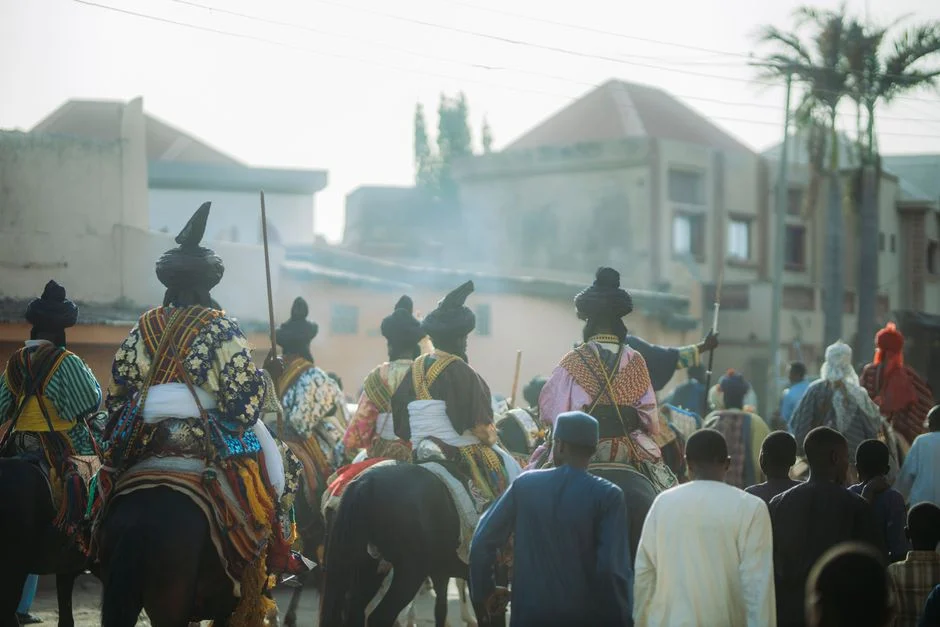
Prominent figures such as Yinka Ogunleye, a local cultural advocate, are spearheading efforts to reintegrate Abula into community events and school curriculums. "It's about preserving who we are as Yoruba people and promoting our values through sports," Ogunleye stated at a recent festival in Lagos where Abula was prominently featured.
Impact on Local Communities
The resurgence of Abula is about more than just sport; it aims to unite communities and enhance local economies. Events featuring Abula attract visitors, which in turn supports local businesses. During last month’s festival, local vendors reported a 30% increase in sales compared to previous events when the game was not included.
Communities are also seeing increased youth participation in physical activities. Schools in Lagos have already begun introducing Abula in their physical education programs, encouraging students to engage with their cultural heritage while promoting fitness.
Challenges in Preserving Tradition
Despite the positive momentum, there are challenges to maintaining interest in Abula. The younger generation often prefers global sports like football and basketball, which raises concerns about diminishing interest in traditional games. Ogunleye believes that incorporating modern elements into Abula could attract more youth participation. "We need to make it exciting and relevant to today's youth," he noted.
Community Responses
Widespread support for the revival of Abula is evident in the enthusiastic participation of both young and old at community events. Local councils are also supportive, with some allocating funds for the promotion and organisation of Abula tournaments. In August 2023, the Lagos State Sports Commission announced its plans to host an annual Abula championship, a move expected to draw participants from various regions.
This engagement not only fosters community spirit but also strengthens cultural pride among the Yoruba. Many participants feel a sense of belonging and identity through their involvement in these traditional games.
Economic Benefits and Tourism Potential
The push for Abula's revival also presents economic opportunities, particularly in the tourism sector. Cultural tourism is gaining traction in Nigeria, and events centred around traditional games could attract tourists looking for authentic experiences. According to the Nigerian Bureau of Statistics, cultural tourism contributed approximately $1.2 billion to the national economy in 2022, highlighting the potential for growth.
Tour operators are beginning to market such events, and local hotels report rising bookings during community festivals featuring Abula. This development can significantly impact local economies, making the game a vital part of Nigeria's tourism strategy.
Looking Ahead: What’s Next for Abula?
As the Yoruba community invests in the revival of Abula, future plans include expanding outreach to neighbouring regions and hosting larger tournaments that can draw national attention. Upcoming events, such as the annual championship planned for next summer, will be crucial in determining the game’s sustainability and popularity.
Residents and local leaders alike are keen to see Abula become a staple in Nigerian cultural life. Keeping the tradition alive not only enriches the community’s identity but also offers economic benefits that are closely linked to cultural pride. As the Yoruba continue to push for recognition of their cultural practices, the revival of Abula could become a beacon of community resilience.
See Also
- Lagos Schools Launch Safety Ambassadors to Curb Daily Risks
- Nigeria Launches Ajilalaoso Festival to Boost Cultural Tourism in Ede
This development can significantly impact local economies, making the game a vital part of Nigeria's tourism strategy.Looking Ahead: What’s Next for Abula?As the Yoruba community invests in the revival of Abula, future plans include expanding outreach to neighbouring regions and hosting larger tournaments that can draw national attention. According to the Nigerian Bureau of Statistics, cultural tourism contributed approximately $1.2 billion to the national economy in 2022, highlighting the potential for growth.Tour operators are beginning to market such events, and local hotels report rising bookings during community festivals featuring Abula.
What is the latest news about nigerias yoruba community revives abula game boosting local identity and economy?
Why does this matter for education?
What are the key facts about nigerias yoruba community revives abula game boosting local identity and economy?