Nigeria's electricity sector is undergoing a significant leadership overhaul as the government confronts long-standing governance challenges that have hampered efficiency and service delivery. The Minister of Power, Adebayo Adelabu, announced a series of reforms last week aimed at revitalising the industry and ensuring a more reliable energy supply for Nigerians.
Key Reforms in the Power Sector
Under the new initiative, the federal government plans to implement stricter regulatory frameworks by establishing a dedicated oversight body. This move follows years of complaints from citizens about inconsistent power supply, which has left many areas in darkness for extended periods. Currently, about 45% of Nigeria's population still relies on alternative power sources, such as generators, due to unreliable electricity from the national grid.
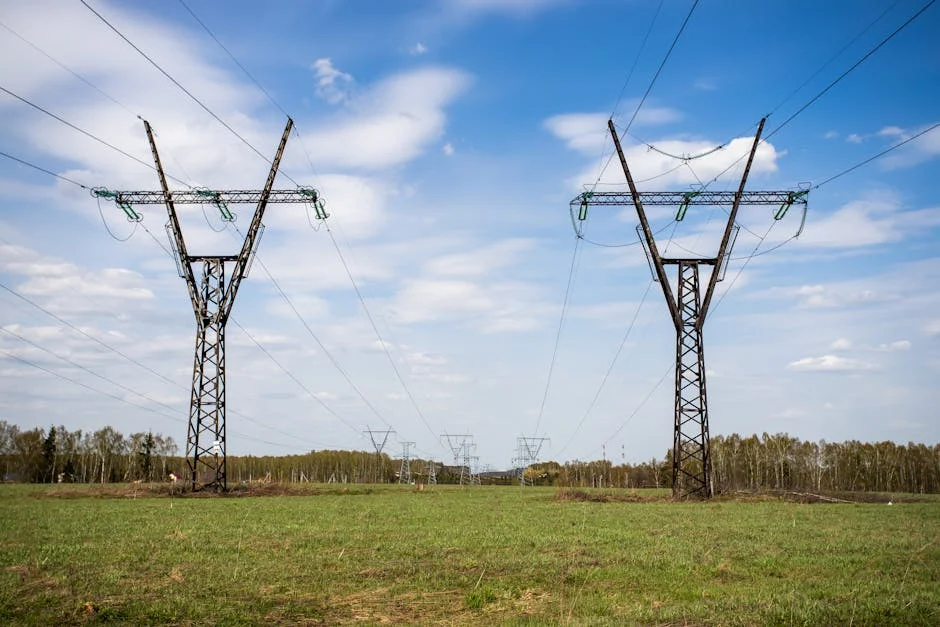
The reforms will also affect the privatisation of state-owned enterprises, which has been a contentious issue since the sector was privatised in 2013. The Minister stated that these changes are necessary to attract investment, with an estimated $10 billion needed to upgrade infrastructure by 2030. Without addressing these governance issues, the electricity market will struggle to meet the demands of Nigeria's growing population.
Impact on Local Communities
Citizens across Nigeria are already feeling the impact of these governance challenges in their daily lives. In cities like Lagos, residents frequently experience power outages lasting several hours, while businesses suffer from increased operational costs. Energy poverty is a pressing issue, with communities facing higher fuel prices as they turn to diesel generators.
In rural areas, the lack of reliable electricity hampers education and economic opportunities. A study by the National Bureau of Statistics revealed that households with consistent power access earn 20% more than those without. This disparity has led to increasing frustrations among citizens who demand better governance and accountability in the electricity sector.
Public Reaction to Proposed Changes
The announcement of leadership changes has elicited mixed responses from the public and industry experts. While some citizens are hopeful that these reforms will lead to improved electricity access, others remain sceptical due to previous government failures. "We've heard promises before, but they rarely materialise," said Abdul Mohammed, a local business owner in Abuja.
Industry analysts urge caution, reminding citizens that transforming Nigeria's electricity sector is a complex task that requires sustained commitment from leadership and cooperation from private sector players. The Nigerian Electricity Regulatory Commission (NERC) has also been called to action, with many advocating for an increased role in monitoring compliance with new regulations.
What Lies Ahead for the Energy Market
Monitoring these developments will be crucial for citizens relying on stable energy access. As these changes roll out, stakeholders expect to see an increase in energy investments, which could lead to more reliable service in the coming years. In addition, the government’s commitment has been challenged by economic realities and funding constraints.
The focus of the reforms will be on fostering competition and transparency within the electricity market, but it remains to be seen how effective these measures will be. Citizens should keep a close watch on the upcoming public hearings scheduled for next month, as they will shape the future of the electricity sector in Nigeria.
Next Steps for Stakeholders
As Nigeria embarks on this journey of reform, the impact on daily life for citizens remains a critical factor. Local communities must actively engage with the process, voicing their concerns and expectations. The government also plans to release a detailed timeline for implementing these reforms within the next quarter, which will impact both the short and long-term strategies of energy provision across the country.
In the coming months, citizens should be prepared for potential changes in electricity tariffs as new policies are enforced, which could affect household budgets. Additionally, local leaders will play a vital role in ensuring that community voices are heard. With the restructuring of the electricity sector in motion, stakeholders must remain vigilant and proactive in demanding accountability and service improvements.
See Also
- Kvaratskhelia Spurs Economic Debate in Nigeria — VE's Impact Unravelled
- South Africa's Bafana Bafana to Face Brazil in $6.5m Friendly Match
Citizens should keep a close watch on the upcoming public hearings scheduled for next month, as they will shape the future of the electricity sector in Nigeria.Next Steps for StakeholdersAs Nigeria embarks on this journey of reform, the impact on daily life for citizens remains a critical factor. "We've heard promises before, but they rarely materialise," said Abdul Mohammed, a local business owner in Abuja.Industry analysts urge caution, reminding citizens that transforming Nigeria's electricity sector is a complex task that requires sustained commitment from leadership and cooperation from private sector players.