China officially launched the Nova nuclear power plant in Gansu province on Monday, marking a major expansion of the country’s clean energy infrastructure. The facility, located in the arid northwestern region, is expected to generate 12 gigawatts of electricity annually, enough to power over 10 million homes. The project, developed by the China National Nuclear Corporation (CNNC), is part of a broader push to reduce reliance on coal and meet climate targets ahead of 2030.
Regional Energy Shifts
The Nova plant is the first of its kind in Gansu, a province historically dependent on coal and wind energy. With a capacity of 12 gigawatts, the facility will significantly alter the region’s energy mix, reducing carbon emissions by an estimated 8 million tons per year. This shift aligns with national goals to increase nuclear power’s share of the energy grid to 15% by 2030, up from the current 5%.
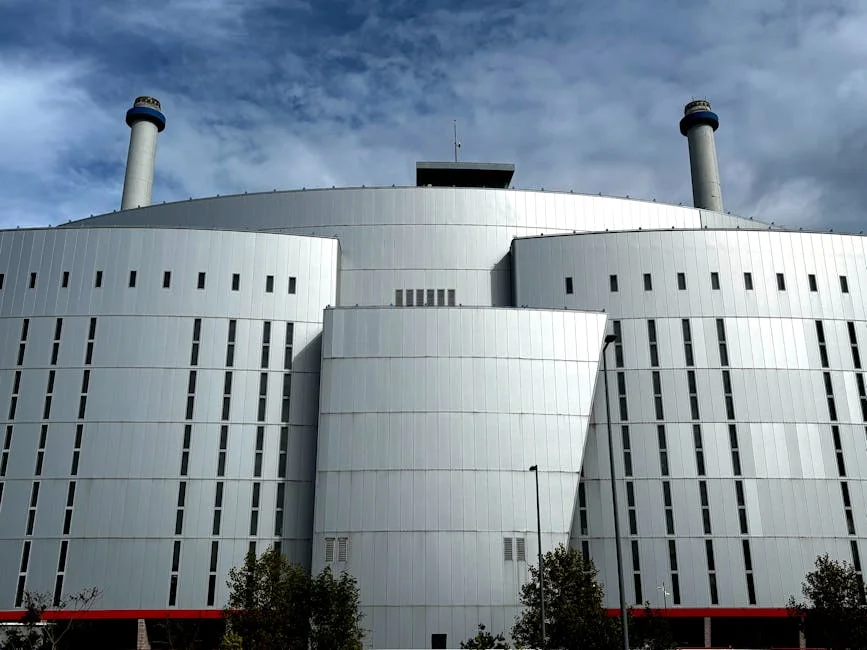
Local officials say the plant will also boost employment and infrastructure development in Gansu. The project created over 5,000 jobs during construction and is expected to sustain 2,000 permanent positions. However, concerns remain about the long-term environmental and safety implications of nuclear energy in a seismically active region.
Impact on Daily Life
Residents in nearby cities like Zhangye and Wuwei have expressed mixed reactions. While some welcome the potential for more stable electricity supply, others worry about the risks of nuclear accidents. Zhangye resident Li Wen, a 45-year-old teacher, said, “We need energy, but we also need safety. The government must be transparent about the risks.”
Energy experts note that the plant could lead to lower electricity prices in the region, benefiting households and small businesses. However, the long-term effects on local communities will depend on how well the government manages waste disposal and emergency preparedness. The CNNC has pledged to follow international safety standards, but skepticism persists among some residents.
Broader Implications for the Region
The launch of Nova underscores China’s growing reliance on nuclear energy as a clean alternative to coal. With Gansu’s rich wind and solar resources, the region is becoming a key player in the national energy transition. The plant is also expected to support industrial growth in the area, particularly in manufacturing and technology sectors that require a stable power supply.
However, the project has drawn criticism from environmental groups concerned about the ecological impact of nuclear waste. The Gansu provincial government has stated that waste will be stored in a secure, underground facility, but details on the location and safety measures remain limited.
Community Response and Local Economy
Community leaders in Gansu have called for greater public engagement in the decision-making process. “The people living near the plant should have a say in how it is managed,” said Wang Jian, a local council member. “Transparency is key to building trust.”
The local economy has already seen a boost from the project, with new hotels, shops, and services opening to cater to workers and visitors. But some small farmers and traders worry that the focus on large-scale energy projects may divert attention from rural development.
What’s Next for Nova?
The next phase of the Nova project involves the completion of two additional reactor units, which are expected to be operational by 2026. Meanwhile, the Chinese government is reviewing its nuclear energy policy to address public concerns and ensure long-term sustainability.
For now, the people of Gansu are watching closely. The success or failure of Nova could set a precedent for future nuclear projects across China. As the region adapts to this new energy landscape, the balance between progress and safety will be crucial.
The coming months will be critical. If the plant operates without incident, it could become a model for other regions. But any missteps could fuel opposition and delay future projects. For now, Gansu’s residents remain cautiously optimistic, hoping that Nova brings both power and progress.
See Also
- Nigeria’s Ministros Unveil New Insurance Policy Amid Economic Uncertainty
- Michelle Obama Shares Powerful Quote on Personal Story and Resilience