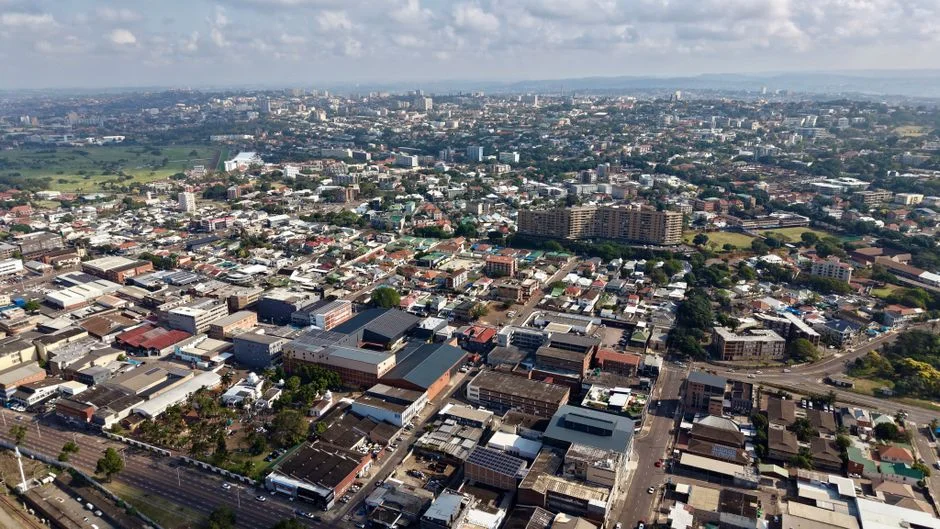
As Nigeria's digital economy expands, a vital question arises: who truly owns the innovations created by the nation’s youth? In Lagos, a city known for its vibrant tech scene, young entrepreneurs are driving a surge in digital startups. Recent reports suggest that Nigeria's tech sector is now valued at approximately $4.1 billion, yet the ownership structure remains opaque and contested.
The Growing Tech Landscape in Nigeria
The digital economy in Nigeria is burgeoning, with Lagos at the forefront. The city has become home to numerous tech hubs and incubators supporting startups. According to the National Bureau of Statistics, the information and communication sector contributed about 14.4% to Nigeria's GDP in the last quarter, highlighting the importance of technology in the local economy.

Young Nigerians are increasingly taking charge of this growth. Entrepreneurs like Iyinoluwa Aboyeji, co-founder of Flutterwave—a leading payment technology company—are leading the charge, showing the world what Nigerian innovation can achieve. With youth making up roughly 60% of Nigeria's population, their role in shaping the digital economy is undeniable.
Capital and Ownership: A Complex Interplay
Despite the impressive growth, ownership of digital platforms is often concentrated in the hands of a few. Foreign investors and tech giants frequently fund startups, leading to questions about local ownership and the long-term benefits to Nigerian communities. For example, while Flutterwave has gained international acclaim, it remains essential to assess how much of that success translates into local economic empowerment.
Community leaders are now calling for more transparency regarding ownership structures in the tech sector. A recent survey conducted by the Lagos-based tech firm, TechCabal, revealed that 70% of young entrepreneurs believe foreign investment should come with commitments to local partnership and ownership.
Economic Impact on Daily Life
The rise of the digital economy is reshaping daily life for many Nigerians. Young professionals find opportunities in sectors such as software development, fintech, and e-commerce, creating a ripple effect on the local job market. In Lagos, the tech ecosystem has generated over 100,000 jobs within the last five years alone.
Moreover, these developments are transforming local businesses, as more companies adopt digital solutions to reach customers. This tech-driven shift not only enhances efficiency but also opens avenues for traditional businesses to expand their reach, creating a more inclusive economy.
Community Responses: Advocating for Change
Local communities are responding to these challenges by advocating for policies that promote ownership and local investment. Initiatives like the Lagos Innovation Summit are fostering dialogue among stakeholders, including entrepreneurs, investors, and government officials. They aim to address ownership concerns and ensure that the digital economy benefits everyone.
Additionally, grassroots movements are emerging, urging policymakers to create an ecosystem that prioritises local startups. From workshops to hackathons, young innovators are coming together to share knowledge and resources, actively shaping their economic environment.
The Role of Government and Regulation
Government intervention will play a crucial role in defining the future of Nigeria's digital economy. The Nigerian Communications Commission has been proactive, launching initiatives to support tech startups while emphasising the need for regulatory frameworks that protect local interests.
However, critics argue that more needs to be done. They stress that the government must implement policies that encourage local investment and establish incentives for startups to remain domestically owned. Without such measures, the risk of losing ownership to foreign entities remains high.
Looking Ahead: Future Prospects
As the digital economy in Nigeria continues to evolve, it is vital for stakeholders to prioritise local ownership and community engagement. With major tech conferences set to occur in Lagos next month, attention will be on how these discussions address the pressing ownership questions.
Young Nigerians are poised to lead a significant transformation in the economy, but they must ensure that their innovations benefit their communities. The upcoming events will likely shape the narrative around community participation and ownership in this rapidly growing sector.
See Also
- Nigeria Releases 5,000 Parolees Amid Easter Crime Surge
- Showmax Exposed for R10bn Trading Losses — What This Means for African Economy
What is the latest news about nigerian youths build digital economy who truly owns it?
Why does this matter for economy-business?
What are the key facts about nigerian youths build digital economy who truly owns it?