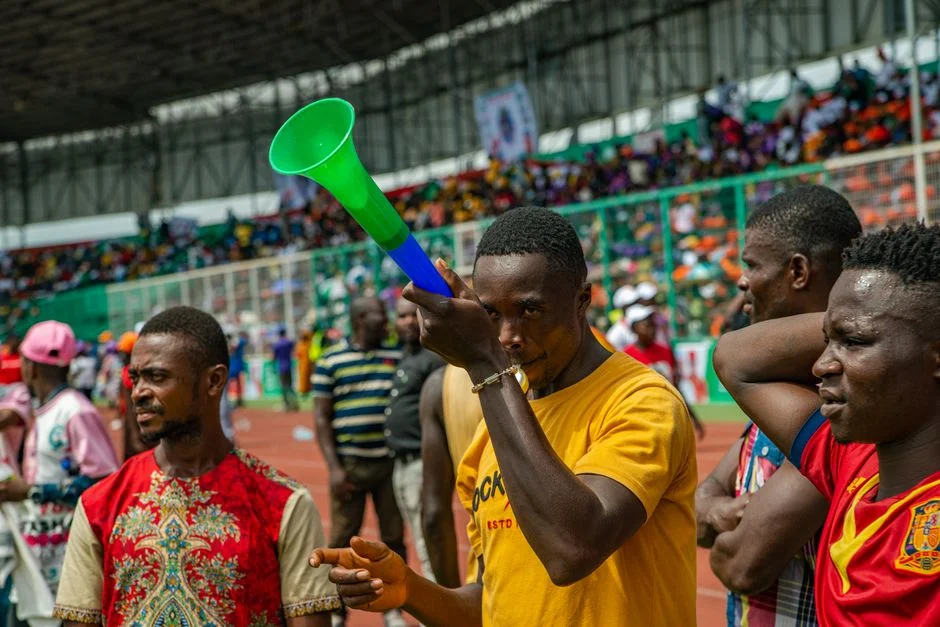
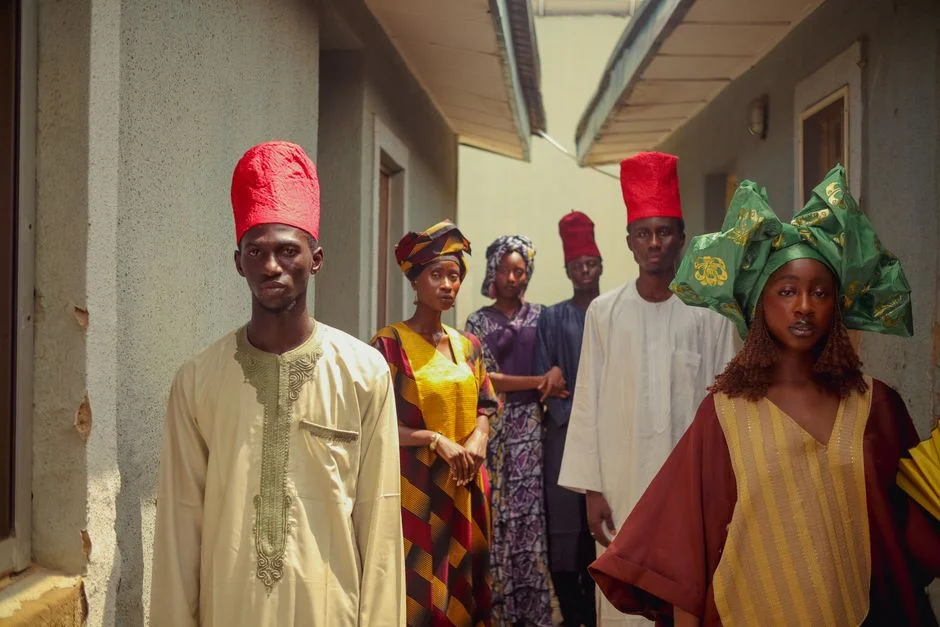
In a bustling literary discussion held in Lagos, Nigerian bibliophiles gathered to debate the enduring influence of Chilean author Roberto Bolaño. Despite his global acclaim, some attendees questioned whether Bolaño's work still resonates with contemporary readers in Nigeria. This event took place on October 12, 2023, at the renowned Book Nook Café, drawing both local literary figures and international guests.
Why Bolaño Matters to Nigerian Readers
Roberto Bolaño, known for his novels such as 2666 and The Savage Detectives, has long been celebrated for his complex narratives and insightful explorations of 20th-century Latin America. His books have influenced countless writers and readers worldwide, including those in Nigeria, where his themes of political struggle and existential quest resonate deeply.
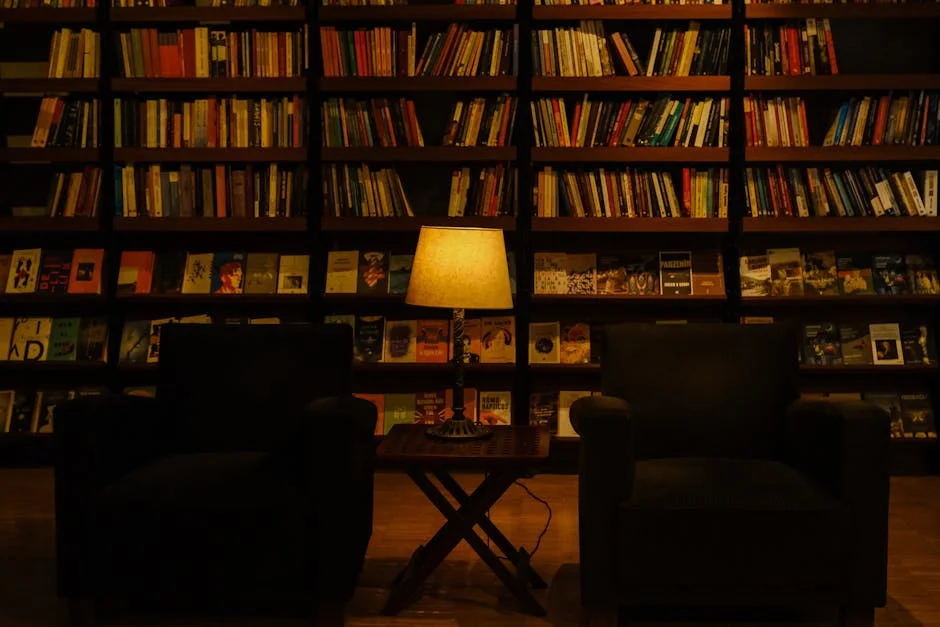
Many Nigerian readers find Bolaño's work relatable due to its exploration of identity and societal challenges, themes that are familiar in Nigeria's literary landscape. Professor Olu Adesina, a prominent literary critic, noted during the event, "Bolaño challenges us to think about our own narratives and the stories that define us."
The Impact on Nigeria's Literary Scene
The discussion in Lagos highlighted Bolaño's impact on Nigeria's growing literary community, which has seen a rise in both local writers and international literary events. This surge has been fueled by a broader interest in global narratives and a desire to explore diverse storytelling techniques.
The presence of Bolaño's work in Nigeria's literary circles encourages local authors to experiment with narrative forms and themes, contributing to the country's rich storytelling tradition. As Nigerian authors gain international recognition, Bolaño's influence is seen as both a benchmark and a source of inspiration.
Community Responses and Reactions
Attendees at the Lagos event expressed a mix of admiration and critique of Bolaño's work. Some praised his novels for their intricate plots and philosophical depth, while others found them challenging to navigate. This diversity of opinion reflects the broader dialogue within Nigeria's literary community, which values both critical engagement and appreciation.
Book club leaders and literary event organisers in Lagos have noted an increase in interest surrounding Bolaño's novels, suggesting that his work continues to provoke thought and discussion among Nigerian readers. This literary engagement is seen as a positive contribution to the cultural vitality of the region.
Looking Ahead: The Future of Literary Dialogues
As Nigeria's literary scene continues to thrive, future events are expected to explore more international writers and their relevance to Nigerian audiences. The success of the Lagos event indicates a strong appetite for such discussions, with plans already underway for a follow-up event next year focusing on Latin American literature.
Readers and literary enthusiasts should watch for upcoming announcements from the Lagos Literary Society, as they aim to host a series of dialogues featuring both well-known and emerging international authors. These events promise to enrich Nigeria's literary culture and foster deeper connections across global literary landscapes.
See Also
- African Development Bank Warns Economic Growth Slowed in 2026 — What’s Next for Nigeria?
- Why Raghav Chadha's Silence Sparks AAP Crisis — and What It Means for India's Politics