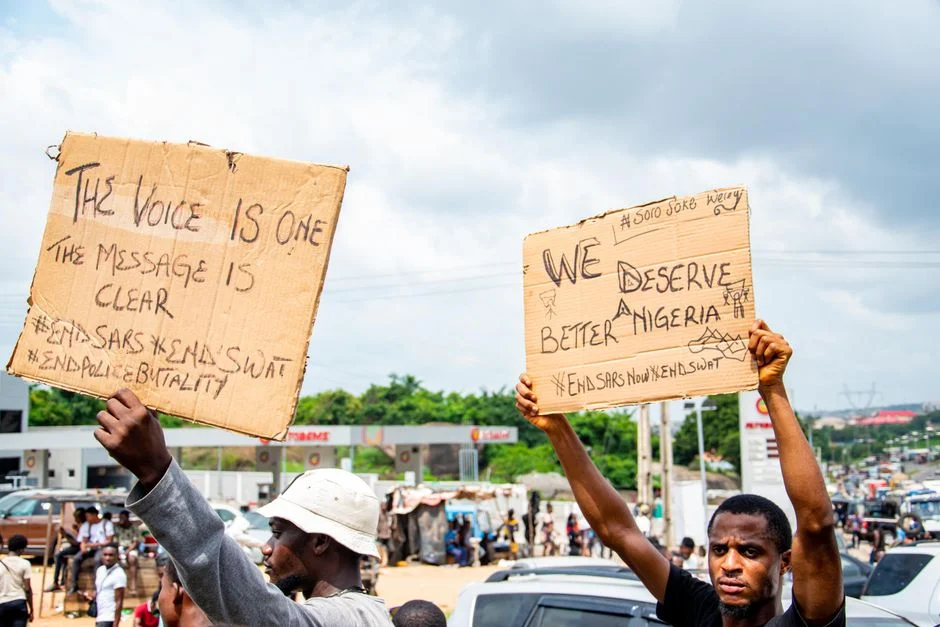
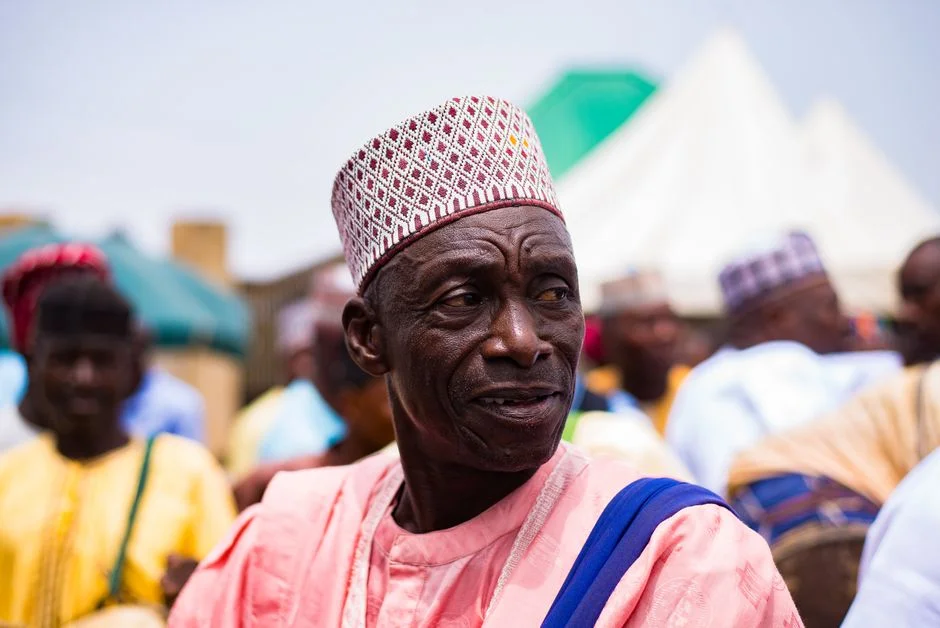
Young supporters of the New Nigeria Peoples Party set fire to campaign posters bearing images of Rabiu Kwankwaso and Peter Obi on Monday, unleashing pandemonium across Ungogo Local Government Area in Kano State. The incident exposes a deepening fracture within one of Nigeria's most influential regional political machines ahead of the 2027 general elections.
Scenes of chaos as posters burn
Witnesses in Ungogo described hearing loud shouts before a crowd gathered around a stack of merged campaign materials set ablaze in the town centre. Videos circulating on social media showed young men chanting slogans against the proposed alliance between Kwankwaso's NNPP and the Labour Party's Peter Obi. Police officers arrived at the scene but did not make any arrests, according to residents who spoke to reporters on condition of anonymity.
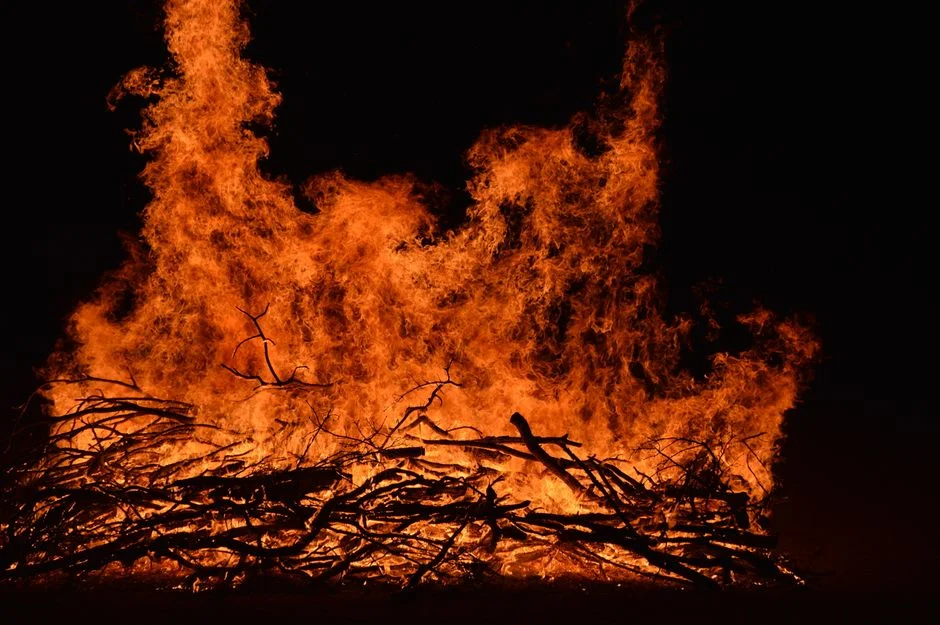
The fire destroyed an estimated 200 posters and banners displaying the proposed Kwankwaso-Obi ticket. Local party officials rushed to extinguish the flames before civil defence officials cordoned off the area. No injuries were reported, but the incident sent shockwaves through Kano's political establishment.
Why young supporters are furious
Grassroots NNPP members in Kano have spent years building Kwankwaso's brand around a distinctly Northern Nigerian identity. Many young loyalists view any partnership with Obi, a former governor from the southeast, as a betrayal of the party's founding principles. The merger talks gained momentum in January when both politicians attended the same rally in Lagos, fuelling speculation about a grand coalition against the major parties.
"We did not build this party to hand it over to an Igbo man," said one NNPP youth leader in Ungogo, who declined to give his name. "Kwankwaso knows our position. This poster burning is a warning." Party elders attempted to intervene, but the youth wing insisted the alliance discussions must stop immediately or more damage would follow.
The economics of political identity in Northern Nigeria
For many young Kano residents, the NNPP represents more than a political vehicle. The party's self-help programmes and educational scholarships have built genuine loyalty among voters under 35. Analysts say the proposed Obi alliance threatens to alienate exactly the demographic Kwankwaso has cultivated most carefully. Polling data from a 2026 survey by Nigeria's Stears Business placed NNPP support among Northern youth at 38 percent, a substantial lead over all rivals.
Kwankwaso's silence fuels speculation
Neither Kwankwaso nor his official spokesperson has issued a public statement since Monday's violence. The former governor has maintained a low profile over the past fortnight, leading some party insiders to he may be reconsidering the merger publicly. Internal NNPP sources told reporters the party leadership scheduled an emergency meeting in Kano for Thursday to address the crisis. Three senior officials confirmed the gathering but refused to elaborate on the agenda.
The silence from the NNPP top echelon has allowed rumours to multiply on WhatsApp groups popular with party supporters. Unverified reports claimed Kwankwaso had ordered a complete halt to all alliance discussions, though neither the party nor the former governor's office confirmed this information. Party members across four Local Government Areas in Kano reportedly held rival demonstrations on Tuesday, with some displaying banners reading "Obi is welcome" while others demanded the talks end.
Local communities bear the cost
Beyond the political drama, ordinary residents of Ungogo expressed frustration at the disruption. Market traders near the poster-burning site reported losing several hours of trading time as crowds blocked major roads. The incident occurred during the morning rush hour, forcing commuters to reroute through secondary streets that lack paved surfaces.
"Politics should not make us fight each other," said Fatima Abubakar, a provisions seller whose stall sits 50 metres from where the posters burned. "We want roads, we want jobs. They can sort out their alliances without scaring away our customers." Community leaders in the area have called for both sides to cool tensions before the dispute spirals further.
Youth unemployment in Kano stands at 34 percent, according to the National Bureau of Statistics, making political patronage a lifeline for many families. The NNPP's scholarship programme currently supports 12,000 university students across the state, most of them from low-income households. Any erosion of party credibility could jeopardise these benefits, supporters warned.
What happens next
Thursday's emergency meeting in Kano will determine whether the NNPP formally distances itself from merger talks or doubles down on coalition building. Kwankwaso's decision carries enormous weight: he commands a loyal base in Kano, Katsina, and parts of Kaduna, states that will be pivotal in any presidential contest. If he abandons the Obi conversations, the opposition alliance seeking to challenge the ruling party loses a significant northern anchor. If he proceeds, he risks the open revolt that consumed his campaign materials on Monday.
Watch for statements from the NNPP National Working Committee and any joint announcements from the Labour Party. Thursday evening should bring clarity on whether this week marks the end of Kwankwaso's coalition ambitions or merely a temporary setback. Either outcome will shape the 2027 race in ways that extend far beyond Kano's borders.
See Also
- Kogi: Appeal Court affirms Zacharias as Rep for Idah/Ibaji/Igalamela/Ofu
- NLC, TUC lambast Tinubu as fuel hits N630/litre, shun negotiation
Market traders near the poster-burning site reported losing several hours of trading time as crowds blocked major roads. What happens next Thursday's emergency meeting in Kano will determine whether the NNPP formally distances itself from merger talks or doubles down on coalition building.