As West Africa grapples with the ramifications of past Ebola outbreaks, experts, including survivor Dr. Kadiatou Diallo, emphasise the necessity for rapid and compassionate responses to health crises. During a conference in Freetown, Sierra Leone, on November 15, 2023, they discussed the critical lessons learned from the 2014-2016 Ebola epidemic, which claimed over 11,000 lives across the region.
Speedy Response Systems Are Essential
Dr. Diallo articulated that the speed of response during health emergencies can profoundly alter the outcome. In 2014, delays in mobilising resources led to the rapid spread of the virus across Sierra Leone, Guinea, and Liberia. She argued that a robust response mechanism, including timely deployment of medical personnel and supplies, can significantly curb infection rates.
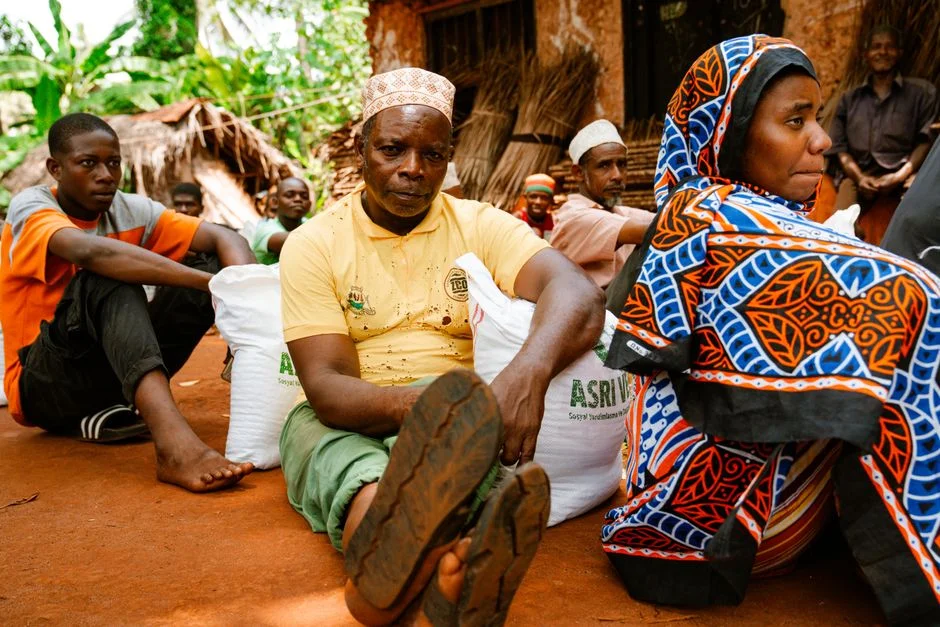
In her remarks, Dr. Diallo stated, "Every second counts during an outbreak. We must ensure rapid deployment of resources to affected communities." This sentiment was echoed by other speakers at the event, who highlighted that local health facilities must be equipped to act quickly to prevent slowdowns in response time.
Financial Investment in Health Infrastructure
Financial investment is another crucial aspect of ensuring readiness for future outbreaks. The World Health Organization has estimated that only 40% of health facilities in West Africa are adequately equipped to handle a resurgence of infectious diseases. This gap in infrastructure often means that even minor outbreaks can escalate into full-blown crises.
During the conference, participants called for a collective financial commitment from governments and international organisations. They proposed that a fund of at least $500 million be established to bolster health systems across the region, ensuring that resources are readily available when crises emerge.
Compassionate Care for Affected Communities
While speed and funding are vital, the discussions also centred on the importance of compassion in care. Survivors like Diallo shared their stories of resilience, highlighting the stigma often faced after recovery from Ebola. Communities must provide support, not only in terms of medical treatment but also in social reintegration.
"Compassion can heal wounds that medicine cannot," Dr. Diallo remarked. Experts pointed out that combating stigma is necessary to ensure survivors can lead normal lives and contribute positively to their communities.
Regional Coordination and Preparedness
The conference underscored the need for enhanced coordination among West African nations. According to the Africa Centres for Disease Control and Prevention, many countries lack regional collaboration frameworks that facilitate swift information sharing and resource allocation during outbreaks.
Participants urged for the establishment of a regional health response committee that includes representatives from each country, allowing for a unified approach to outbreaks. They believe that collective action can improve preparedness and response times across borders.
Upcoming Strategies and What to Watch
As discussions continue, the regional health leaders plan to convene again in March 2024 to review the progress of their commitments. They will focus on implementing a rapid response framework and securing financial pledges from governments.
The outcomes of these meetings will be crucial for the future of public health in West Africa, particularly as lessons from Ebola shape strategies to handle potential future outbreaks effectively.
See Also
- DRC Ebola Outbreak Triggers Urgent Health Alerts for West Africa
- WHO Honours Six African Health Champions At Geneva Assembly
They proposed that a fund of at least $500 million be established to bolster health systems across the region, ensuring that resources are readily available when crises emerge.Compassionate Care for Affected CommunitiesWhile speed and funding are vital, the discussions also centred on the importance of compassion in care. Survivors like Diallo shared their stories of resilience, highlighting the stigma often faced after recovery from Ebola.
What is the latest news about ebola survivor urges speed and compassion to combat future outbreaks in west africa?
Why does this matter for health-medicine?
What are the key facts about ebola survivor urges speed and compassion to combat future outbreaks in west africa?