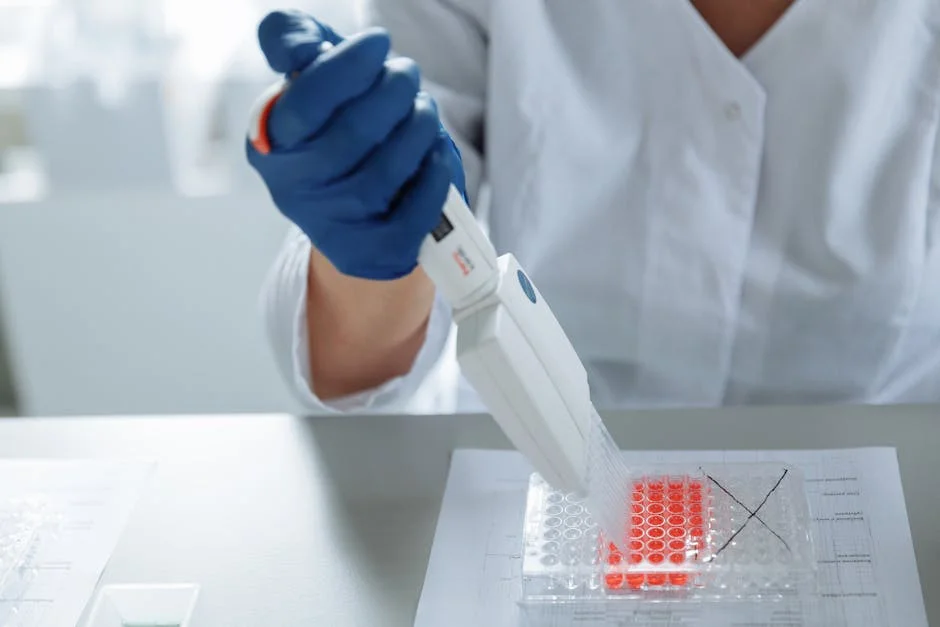
In a drastic move that could affect health security across Africa, former President Donald Trump cut funding for infectious disease research aimed at combating Ebola. This decision, revealed earlier this month, raises concerns about the potential re-emergence of the virus, particularly in Nigeria where past outbreaks have taken a heavy toll on communities.
Funding Cuts Disrupt Research Efforts
The Trump administration's cuts to a key $4.2 billion global health initiative have left numerous health projects scrambling for resources. The Initiative for Global Health Security, which previously allocated funds for Ebola research, has faced a significant reduction in financial support since the announcement.
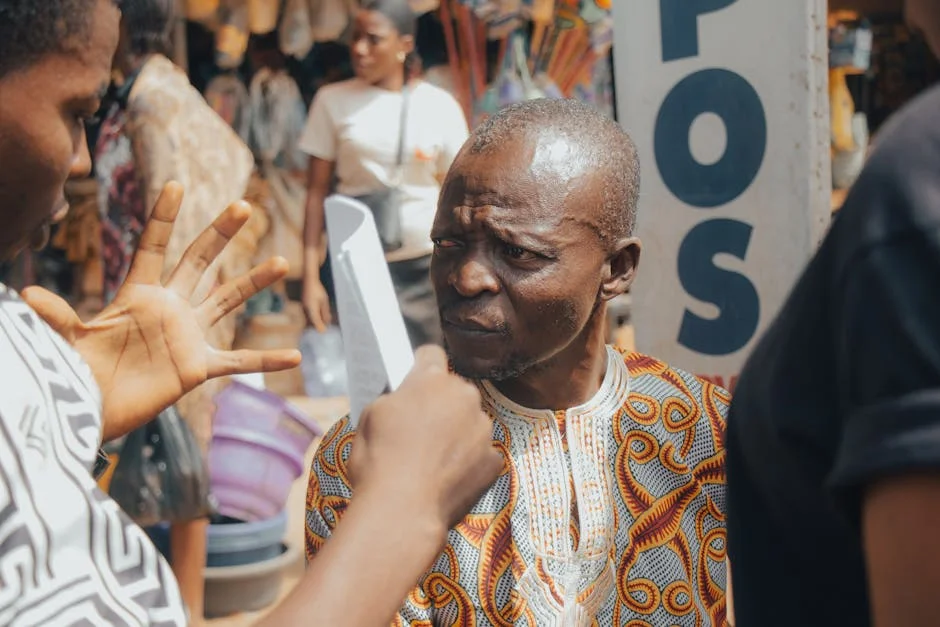
Many researchers who were poised to deploy to affected regions in Africa, including Nigeria, have had their plans halted. According to Dr. Chika Nwankwo, a public health expert based in Abuja, "This funding cut limits our ability to respond swiftly to potential outbreaks, which is critical given Nigeria's vulnerable healthcare infrastructure."
Impact on Local Communities
The implications of these funding cuts extend beyond the research community. Local health systems, which were already struggling under the weight of other health crises, now face heightened risks. Nigeria is still healing from the effects of previous Ebola outbreaks, which saw dozens of lives lost and left many families in distress.
Communities in Lagos, the country's most populated city, are particularly on edge. Local health authorities are concerned that without adequate funding for research and preventive measures, the region could see a resurgence of Ebola. With Nigeria's population exceeding 200 million, the stakes are high.
Historical Context of Ebola in Nigeria
Nigeria’s fight against Ebola dates back to 2014 when the country reported its first case during a widespread outbreak in West Africa. That incident resulted in 20 deaths and extensive economic disruption, as businesses closed and public gatherings were restricted to prevent the spread of the virus.
The country’s response at the time was praised globally for its effectiveness, largely due to rapid contact tracing and public health messaging. However, health experts warn that past successes may not guarantee future outcomes, especially with diminished funding.
Community Response to Health Initiatives
Civic organisations in Nigeria are mobilising to advocate for a reversal of these funding cuts. The Nigerian Centre for Disease Control (NCDC) is working with local NGOs to raise awareness about the importance of continued investment in health security.
“We cannot afford to let our guard down. The community must rally together to demand that our government prioritises funding for disease control initiatives,” stated Amina Bello, a health activist in Lagos.
Looking Ahead: What Citizens Should Watch
This funding cut comes at a pivotal time as the World Health Organisation continues to monitor the global health landscape amidst evolving threats. Upcoming international health summits, where discussions about funding and disease prevention will occur, are critical for Nigeria's health future.
As research efforts remain stalled, citizens are urged to stay informed about local health updates and participate in community health initiatives. The next few months will be telling as health authorities aim to prevent any resurgence of Ebola and secure necessary funding.
See Also
- France Engages African Leaders in Kenya — Aims to Reshape Colonial Legacy
- Ntokozo Mbambo & Nqubeko Mbatha Celebrate 18 Years of Marriage
However, health experts warn that past successes may not guarantee future outcomes, especially with diminished funding.Community Response to Health InitiativesCivic organisations in Nigeria are mobilising to advocate for a reversal of these funding cuts. The Nigerian Centre for Disease Control (NCDC) is working with local NGOs to raise awareness about the importance of continued investment in health security.“We cannot afford to let our guard down.
What is the latest news about trump cuts ebola funding africa faces increased health risks?
Why does this matter for agriculture-food?
What are the key facts about trump cuts ebola funding africa faces increased health risks?