India has initiated a significant shift in its agricultural sourcing strategy by seeking soybeans from Nigeria and other African countries. This move comes as India faces soaring domestic prices and supply chain disruptions, creating urgency for diversifying imports. The Indian government has announced it is targeting an increase in soybean procurement, aiming to secure at least 2 million tonnes from Nigeria by the end of 2024.
Impact on Nigeria's Agricultural Sector
The decision by India to turn to Nigeria for soybeans could significantly impact the local agricultural economy. Nigeria, which produced about 1.2 million tonnes of soybeans in 2022, is poised to expand its production efforts to meet the demand. The Nigerian Ministry of Agriculture estimates that the surge in demand could result in a 30% increase in production over the next year, benefiting local farmers.
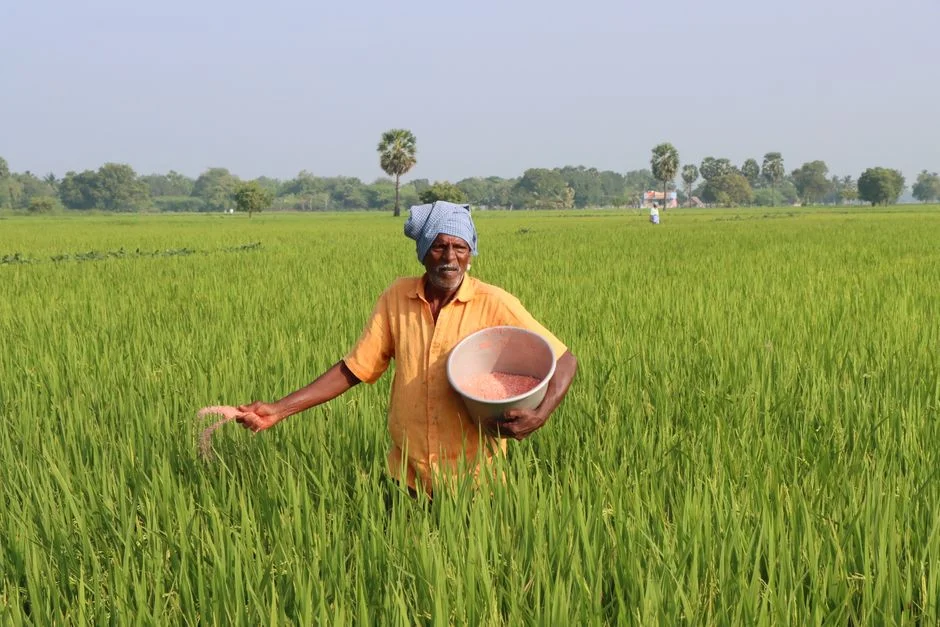
Farmers in Nigeria’s northern regions, such as Kaduna and Kano, are already preparing for an influx of investment aimed at increasing soybean yield. This could lead to improved farming techniques and access to better seeds, which would enhance the quality and quantity of soybeans produced.
Potential Economic Benefits
As India ramps up its soybean imports, the financial gains for Nigerian farmers could be substantial. The current market price for soybeans in Nigeria stands at approximately 480,000 naira per tonne. With India’s needs, farmers could expect prices to rise further, boosting income for those involved in soybean cultivation.
Local cooperatives are also optimistic about this development. They expect increased membership and investment as farmers look to capitalise on the opportunity. The Federation of Agricultural Commodity Associations of Nigeria has started to facilitate training sessions to help farmers adapt to the increased demand.
Soybeans and Food Security
The soybean trade is crucial for both Nigeria and India's food security strategies. For Nigeria, soybeans provide an essential source of protein and oil, making it a valuable crop for both local consumption and export. India's reliance on soybean imports for its cooking oil needs underscores the importance of this crop in combating inflation and ensuring food availability.
As food prices soar globally, Nigeria's role as a supplier could enhance its position in international markets. However, local experts warn that this sudden demand must be managed carefully to avoid overexploitation of resources and maintain sustainable agricultural practices.
Environmental Considerations
Increased soybean production does raise environmental concerns. Over-reliance on monoculture practices can lead to soil depletion and increased pesticide use. The Nigerian government must implement policies that encourage sustainable farming practices and protect the environment while expanding soybean cultivation.
Organisations such as the Nigerian Conservation Foundation have started advocating for practices that balance economic growth with environmental sustainability. This includes promoting crop rotation and natural pest management techniques to preserve soil health.
Community Response and Future Outlook
Grassroots organisations in Nigeria are responding positively to the expected increase in soybean demand. Community leaders are organising workshops to educate farmers about sustainable practices and the potential benefits of the new trade relationships. These initiatives aim to empower local farmers and ensure they are not left behind in this evolving market.
Looking ahead, the relationship between India and Nigeria regarding soybean trade is likely to evolve. Stakeholders are urged to pay attention to the upcoming international agricultural trade conference scheduled for late next month, where further agreements and partnerships may be established.
See Also
- David Mukanga Demands Local Research Boost to Combat Malaria in Africa
- Nigeria Launches Free Trial Coupon Scheme to Boost Digital Economy
However, local experts warn that this sudden demand must be managed carefully to avoid overexploitation of resources and maintain sustainable agricultural practices.Environmental ConsiderationsIncreased soybean production does raise environmental concerns. India's reliance on soybean imports for its cooking oil needs underscores the importance of this crop in combating inflation and ensuring food availability.As food prices soar globally, Nigeria's role as a supplier could enhance its position in international markets.