Nigerians are bracing for more power outages as the latest report from the Nigerian Independent System Operator (NISO) reveals a striking 20% dip in electricity generation. This decline, reported on October 25, 2023, is particularly alarming given the already precarious state of Nigeria's power supply, which has been struggling to meet the daily demands of its citizens.
Power Generation Numbers Decline
The NISO's latest figures indicate that power generation dropped to an average of just 3,500 megawatts during peak hours. This significant reduction means that Nigerians can expect even more frequent blackouts in the coming weeks, particularly in urban areas like Lagos and Abuja, where demand is highest.
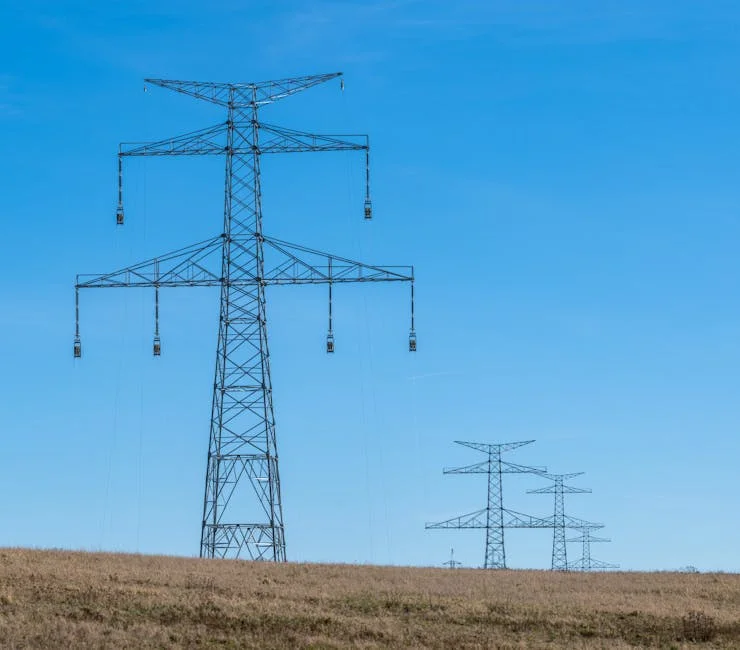
The decline in electricity supply is attributed to several factors, including maintenance issues at key power plants and gas supply shortages. In a statement, NISO expressed concern over the implications of this dip, warning that further disruptions in electricity generation could trigger widespread unrest among frustrated consumers.
Impact on Daily Life and Local Economy
The ramifications of this power crisis are felt acutely across Nigerian communities. Small businesses, which rely heavily on electricity for operations, face the threat of closure due to increasingly high costs associated with alternative power sources, such as diesel generators. Many local entrepreneurs are already seeing profits dwindle as they struggle to keep their lights on.
In a recent online poll, over 60% of Nigerians reported that power outages have directly impacted their ability to work or run their businesses effectively. This situation not only affects individual livelihoods but also hinders overall economic growth in the region.
Community Response to Blackouts
Community groups are rallying to address the escalating power crisis. In cities like Kaduna and Port Harcourt, residents have formed associations to advocate for better energy policies and infrastructure improvements. Local leaders are demanding immediate government intervention to restore stable electricity supply.
Public Outcry
Many citizens have taken to social media to express their discontent, with hashtags such as #PowerCrisisNigeria trending across platforms. Public demonstrations are planned in several states, aimed at holding both local and federal governments accountable for the persistent energy shortages, which many see as a failure of leadership.
The Role of Government and Regulatory Bodies
The Nigerian government has come under pressure to respond decisively to this crisis. Minister of Power, Abubakar Aliyu, confirmed that steps are being taken to address the power distribution problems by investing in rehabilitating existing power plants and exploring new energy sources.
However, scepticism remains among citizens about the effectiveness of these measures. Without tangible results, many Nigerians fear that the power situation will worsen, leading to more significant repercussions for daily life and the economy.
Looking Ahead: What to Expect
With the current trajectory of power supply, Nigerians should prepare for a challenging month ahead. Analysts predict that unless substantial changes are implemented, the electricity crisis will deepen, resulting in heightened tensions within communities.
Residents are urged to stay informed about government initiatives and community meetings focusing on energy solutions. The coming weeks will be critical as authorities attempt to stabilise the power grid and ensure that citizens receive the electricity they need for their daily lives.
See Also
- Africa's Youth Bulge Triggers Economic Shift — Nigeria Must Act Now
- South Africa Celebrates Deaf Swimmer Tia Smith